News Summary
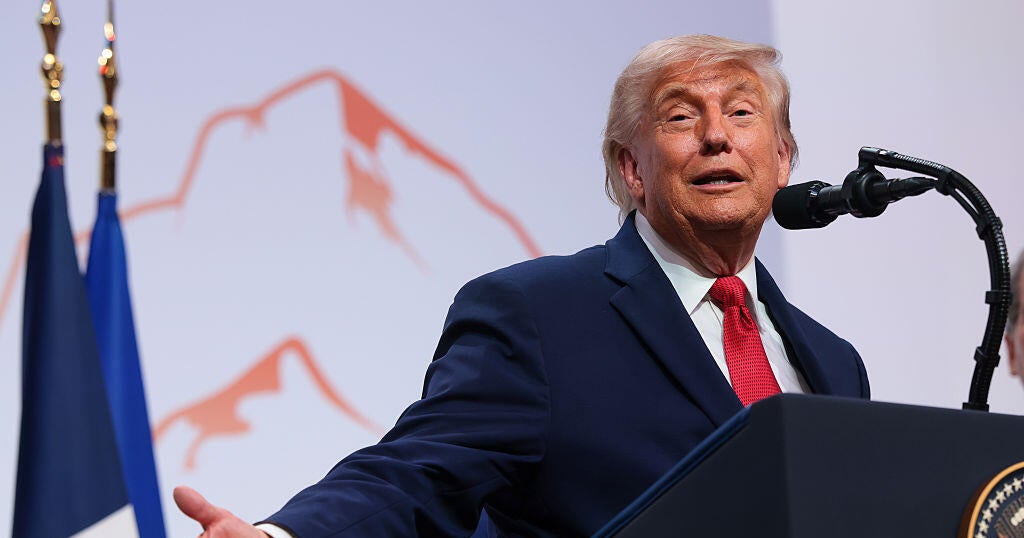
Senior U.S. officials read aloud a 14-point memorandum of understanding between the United States and Iran during a phone briefing; CBS News reported the officials spoke on background and has not seen the document itself. The publicly reported key element is that the agreement allows Iran to immediately begin exporting oil and petroleum products. During the same period, President Trump was quoted at the G7 in France saying the U.S. could resume bombing if the deal 'doesn't get done in 60 days,' while also expressing a preference to avoid military action. The CBS article transcribed paragraphs read by officials but notes the network has not obtained the original document.
Biblical Reflection
From a Christian pastoral perspective, this report raises important questions about truth, transparency, and the moral weight of diplomatic choices. Diplomacy that seeks to avert war and relieve human suffering can reflect the biblical call to pursue peace, but it must be grounded in truthful reporting and accountable processes. The article depends on anonymous officials and notes the actual text was not independently verified; that gap weakens public trust and increases the risk that crucial details—on verification, enforcement, and humanitarian safeguards—are being omitted. The President's publicly stated threat of bombing as a fallback exposes a tension between deterrence and peacemaking: while protecting innocent life may require firmness, casual or public threats of violence can harden rhetoric, escalate fear, and dehumanize adversaries. Christians should weigh the likely humanitarian benefits of easing economic pressure and reducing the risk of armed conflict against the longer-term risks of enabling harmful behavior if the agreement lacks strong verification. The underlying worldview in the article emphasizes state security and leverage, with insufficient attention to transparency, the welfare of ordinary people in Iran and the region, and the moral obligations of truth-telling and accountability. A faithful Christian response favors measured diplomacy that seeks genuine, verifiable restraint on threats to innocent life while advocating mercy for civilians, humility before the limits of power, and courage to insist on clear oversight.
Scripture in context
This outlook does not yet include contextual Scripture citations. Do not treat a general biblical theme as an exegetical conclusion.
Faithful Response
No prescribed response is offered. Consider the reflection prompts below in your own church context.
Reflection and Discussion
- 1How much confidence can we place in an agreement reported secondhand by anonymous officials, and what does that mean for public accountability?
- 2Does the framing of diplomacy primarily in terms of leverage and threats obscure the human costs and moral responsibilities toward civilians?
- 3Are verification, enforcement, and protections for ordinary people visible in public reporting, or are they being treated as secondary to geopolitical bargaining?
Sources
Reporting links are evidence inputs; Sanctuary News' biblical reflection is commentary.
This outlook currently relies on fewer than two linked sources. Broaden verification before teaching from it.
- 1.Original reportprimary