News Summary
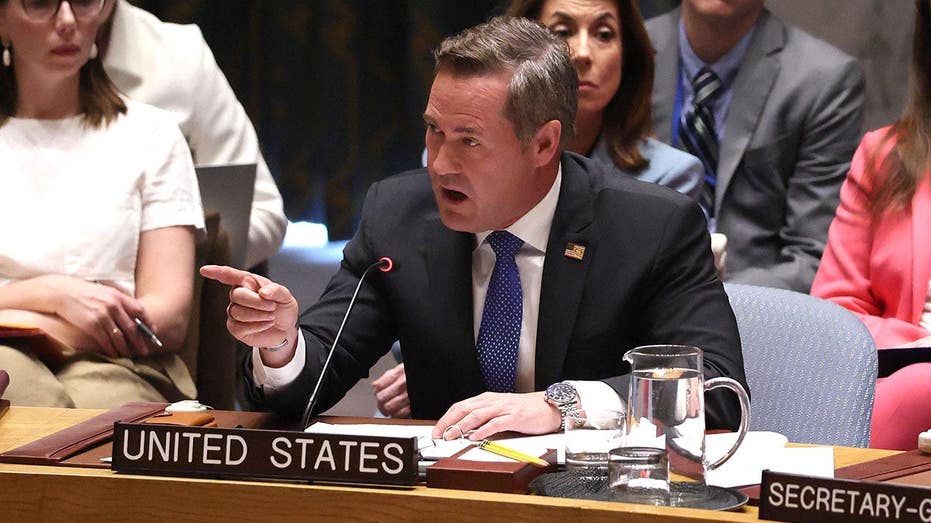
Reported facts: A U.N. vote took place concerning the reappointment of Volker Türk as the U.N. human-rights chief; France posted on social media accusing the United States of standing alongside North Korea and Russia; U.S. politician Waltz publicly criticized France after that post. Attributed claims: the characterization that the vote was 'contentious' and that the French post constituted a 'stunning social media attack' are descriptions from the reporting, and the claim that the U.S. 'stood alongside' North Korea and Russia is attributed to France's public messaging. Uncertainties: the article does not include the text or context of France's post, the exact roll-call or vote margin, statements from U.S. government officials or the U.N., or specifics about why the vote was contentious.
Source and Framing Analysis
The single supplied source (Fox News) reports the incident but provides only a brief account in the provided text. Material uncertainties that affect understanding include the lack of primary social-media content from France, the absence of the vote tally and procedural details, and no direct quotes from Waltz or U.S. officials. Those gaps make it hard to evaluate the proportionality of France's accusation or the full context for both the vote and ensuing reactions.
Biblical Reflection
Public disputes over human-rights institutions deserve careful attention because they shape international norms and public trust. Christians should prize truth: if a government’s vote aligns with repressive states, that is a serious moral concern and should be named with evidence. But speech that equates another democracy’s position with regimes known for severe human-rights abuses risks false equivalence and fuels polarization rather than remedy.
The Christian virtues of mercy and justice both matter here. Mercy cautions against harsh public shaming without attempt at dialogue; justice demands clear-eyed attention to abuses and principled opposition to them. Humility and peacemaking call Christians to ask for fuller facts before endorsing inflammatory claims, to pray for diplomats and victims of rights abuses, and to advocate for policies grounded in evidence and compassion.
Finally, Christians should recognize the limits of social media as a venue for resolving complex international disagreements. It often rewards striking, reductive frames over nuanced truth; faithful witness asks for both candor about wrongdoing and patience to pursue peaceably the hard work of accountability and reconciliation.
Scripture in context
- 1Matthew 5:9 — Part of the Sermon on the Mount, where Jesus teaches about the character of those who belong to God’s kingdom—calling disciples to be peacemakers amid conflict. — This passage highlights the vocation of Christians to pursue peace; when public life descends into accusatory rhetoric, Christians are reminded to seek reconciliation and to build bridges where possible, while still standing for justice.
- 2Romans 12:17-18 — Paul's pastoral instruction to the Roman church about living among outsiders: do not repay evil for evil and, insofar as it depends on you, live peaceably with all. — These verses encourage restraint and measured responses: Christians should resist escalating insults and should pursue peaceful relations without ignoring the moral need to call out wrongdoing.
Faithful Response
Pray for those affected by human-rights violations and for diplomats working toward resolution.
Seek reliable primary sources (official statements, vote records, original social-media posts) before forming or amplifying judgments.
Hold public officials accountable by asking for evidence when strong moral comparisons are made, and advocate for policies that protect vulnerable people.
Reflection and Discussion
- 1How does Scripture reshape the way I respond to strong public accusations about governments or leaders?
- 2Before sharing or endorsing a harsh diplomatic claim, what evidence would I require to treat it as morally decisive?
- 3In what ways can Christians model truthful courage and peaceable witness when nations clash publicly?
Sources
Reporting links are evidence inputs; Sanctuary News' biblical reflection is commentary.
This outlook currently relies on fewer than two linked sources. Broaden verification before teaching from it.
- 1.Waltz slams France after stunning social media attack on US after UN voteprimary_reporting