News Summary
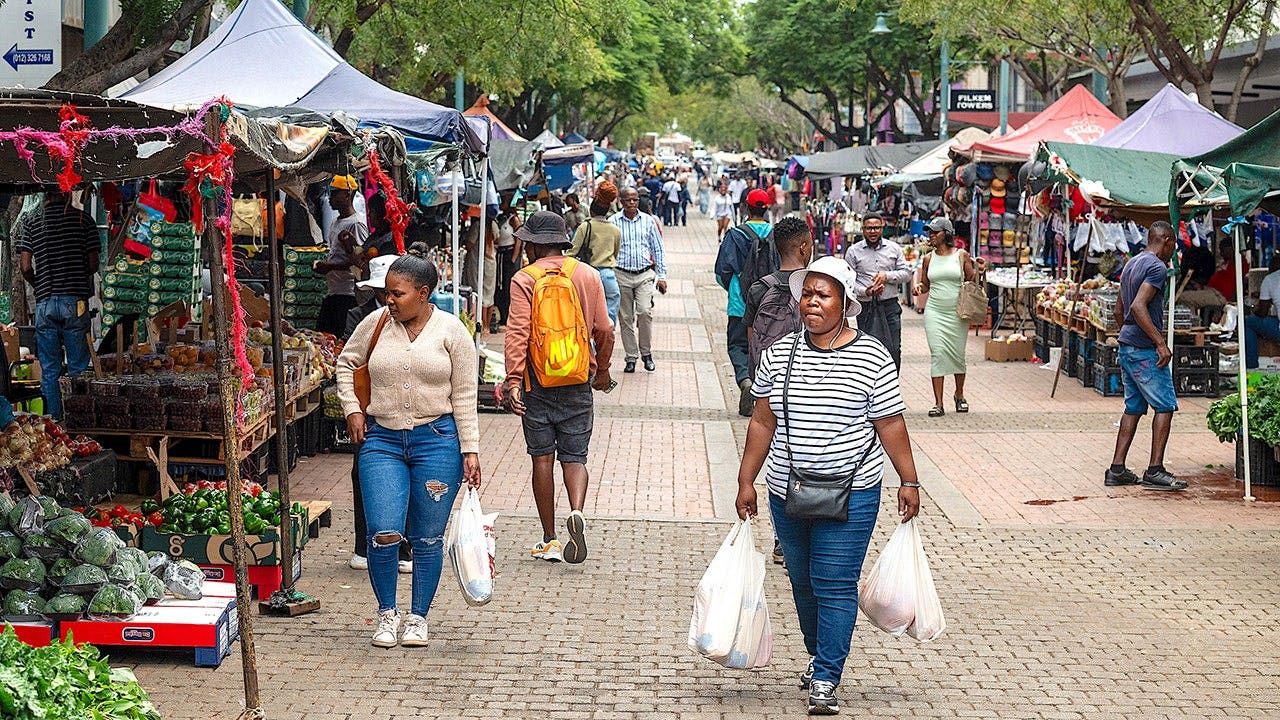
The article reports that a senior State Department official and other sources credit a U.S. policy shift under the Trump administration—from traditional aid toward a 'Commercial Diplomacy Strategy' emphasizing trade and private investment—with accelerating economic growth in parts of Africa. It states that nine of the 20 fastest-growing economies are in Africa and cites IMF projections that sub‑Saharan Africa will grow 4.3–4.6% in 2026 versus Asia’s forecast near 4.1%. The story says U.S. exports to sub‑Saharan Africa rose 23% in 2025 to $22.6 billion. It notes that USAID funding was cut by 83% early last year and that the Bureau of African Affairs reports 37 commercial transactions closed under the current administration, valued at $25.67 billion. The piece also says the administration has signed 34 bilateral global health MOUs representing more than $24 billion in new health funding (about $14.3 billion U.S. assistance and $9.6 billion in co‑investment), 24 of which involve sub‑Saharan African countries. The article reports a phased drawdown of PEPFAR programming in South Africa, citing the U.S. decision tied to the South African government’s failure to meet policy requests; Fox News Digital sought comment from South Africa and received no response. Sources quoted include Assistant Secretary Frank Garcia and Anna Mahjar‑Barducci of MEMRI. The article argues that trade and private investment, rather than unconditional aid, are driving resilience and growth, and highlights sectors such as energy, ICT, critical minerals, mining, agriculture and infrastructure as top areas of U.S. commercial activity.
Biblical Reflection
From a Christian pastoral perspective, the article spotlights a real and important policy shift with potential for both good and harm. There are legitimate reasons to value trade and investment: they can foster dignity by enabling work, entrepreneurship, and sustainable revenue rather than long‑term dependency. The reported increases in trade and closed transactions could provide real opportunity for many. At the same time, the reporting relies heavily on official U.S. sources and commentators aligned with the policy change and gives little voice to independent African economists, civil‑society actors, or people affected by aid cuts. Growth in GDP or export figures does not automatically mean reduced poverty, better health outcomes, or fair treatment of workers and communities. The reported drawdown of PEPFAR in South Africa raises serious pastoral and ethical concerns: cuts to health programs can cause measurable harm to vulnerable people living with HIV/AIDS if transitions are not fully resourced and managed. Conditional or transactional agreements (MOUs tied to data, minerals, or policy changes) may advance strategic goals but risk coercion, unequal bargaining power, or exploitation if governance, transparency, labor and environmental standards, and community consent are not protected. Christians should welcome policies that promote human flourishing and stewardship of resources, but also insist on mercy for the most vulnerable, accountability from powerful actors, and listening to local voices. The narrative in the article displays a pro‑trade, pro‑administration worldview and selective emphasis on favorable metrics; readers should seek broader data on human development, inequality, health outcomes, and governance before accepting the claim that aid withdrawal alone produced net good.
Scripture in context
This outlook does not yet include contextual Scripture citations. Do not treat a general biblical theme as an exegetical conclusion.
Faithful Response
No prescribed response is offered. Consider the reflection prompts below in your own church context.
Reflection and Discussion
- 1Whose experiences are missing from this account—do rising GDP and trade figures reflect better lives for the poorest and sickest people?
- 2Are the reported MOUs and commercial deals protecting local rights, labor and environmental standards, and community consent, or simply shifting benefits to investors?
- 3How should Christians weigh the value of empowering trade against the immediate needs of those dependent on health and humanitarian programs?
Sources
Reporting links are evidence inputs; Sanctuary News' biblical reflection is commentary.
This outlook currently relies on fewer than two linked sources. Broaden verification before teaching from it.
- 1.Original reportprimary