News Summary
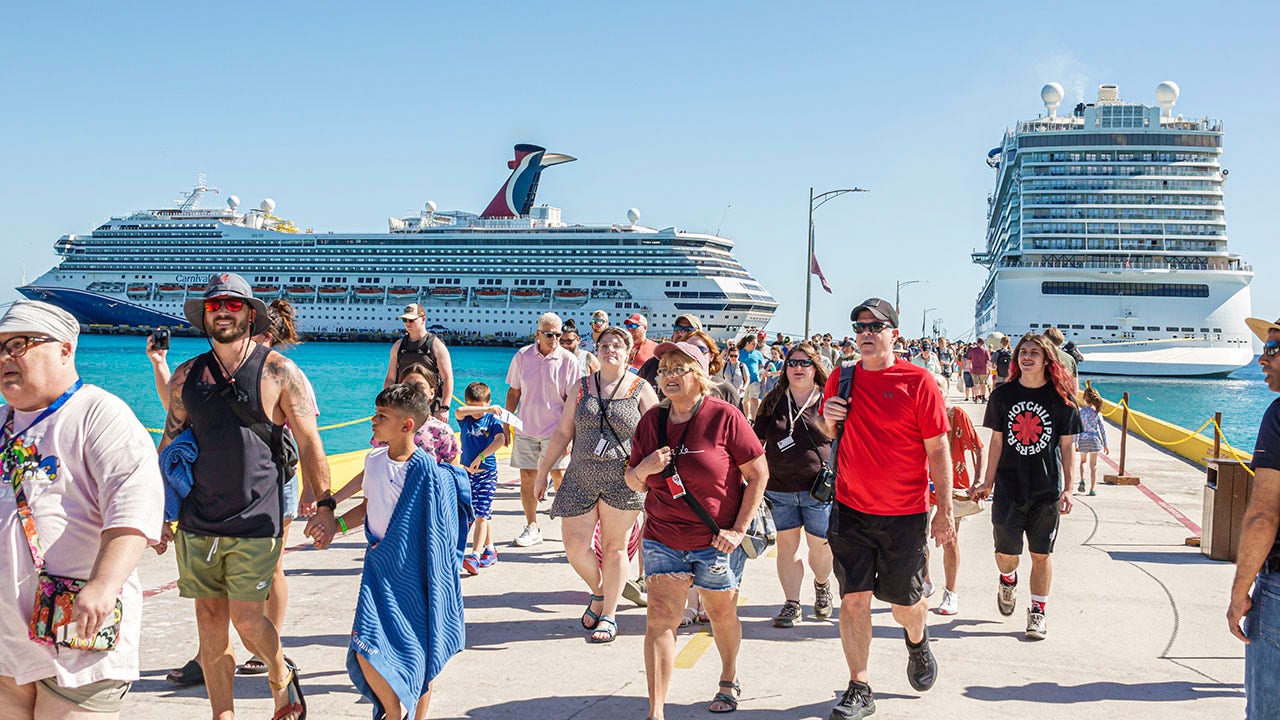
Fox News Digital summarized points from a travel podcast and comments from travel and security experts about cruise ports with elevated safety concerns. The article cites a former Secret Service agent’s observation that cruise passengers can be vulnerable to crime when ashore. It lists five regions/ports identified by the podcast based on crime data and U.S. travel advisories: Belize City (U.S. State Department Level 3: reconsider travel), Trinidad and Tobago (Level 3 advisory for crime, including robbery, kidnapping, and organized crime violence), parts of Jamaica (overall Level 2 but higher-risk areas such as Kingston and Montego Bay), parts of Mexico (Yucatán Peninsula ports generally safer; some Pacific coast ports — Mazatlán, Puerto Vallarta, Manzanillo — have experienced cartel-related security challenges), and Haiti (Level 4: do not travel, citing widespread gang violence and political instability). The article notes that major cruise lines continue to schedule stops at some of these ports, and quotes podcast hosts advising travelers to research risks and plan precautions rather than simply avoiding cruise stops altogether.
Biblical Reflection
This article is primarily informational, urging prudence and preparation for travelers. From a Christian perspective, that emphasis on sober, careful planning is consistent with biblical wisdom (prudence, stewardship of resources, care for one’s neighbor and family). The article’s underlying intent appears to be public safety rather than alarm, but readers should watch for two common tendencies in travel reporting: (1) equating an entire country or population with the conditions of particular high-risk areas, and (2) encouraging fear rather than informed caution. Scripture calls believers to exercise wise discernment (not paralyzing fear) and to treat others with love and justice. Practically, that means using reputable sources (State Department advisories, local official guidance, cruise-line safety briefings), avoiding needless stereotyping of people or places, and balancing trust in God with responsible precautions. The article largely aligns with objective safety facts (it cites official advisories and named high-risk ports) but relies heavily on a podcast and selective examples; readers should supplement this with primary sources and context from local authorities and cruise operators before making decisions.
Scripture in context
This outlook does not yet include contextual Scripture citations. Do not treat a general biblical theme as an exegetical conclusion.
Faithful Response
No prescribed response is offered. Consider the reflection prompts below in your own church context.
Reflection and Discussion
- 1Am I letting headlines or anecdotes shape my view of a whole nation, or am I seeking the fuller context (official advisories, local conditions, specific neighborhoods)?
- 2How do I balance biblical trust in God with responsible precautions when planning travel—do I default to fear or to informed wisdom?
- 3Which primary sources (State Department advisories, cruise-line safety statements, local authorities) am I prioritizing when I evaluate travel risk, and are there gaps I should fill?
Sources
Reporting links are evidence inputs; Sanctuary News' biblical reflection is commentary.
This outlook currently relies on fewer than two linked sources. Broaden verification before teaching from it.
- 1.Original reportprimary