News Summary
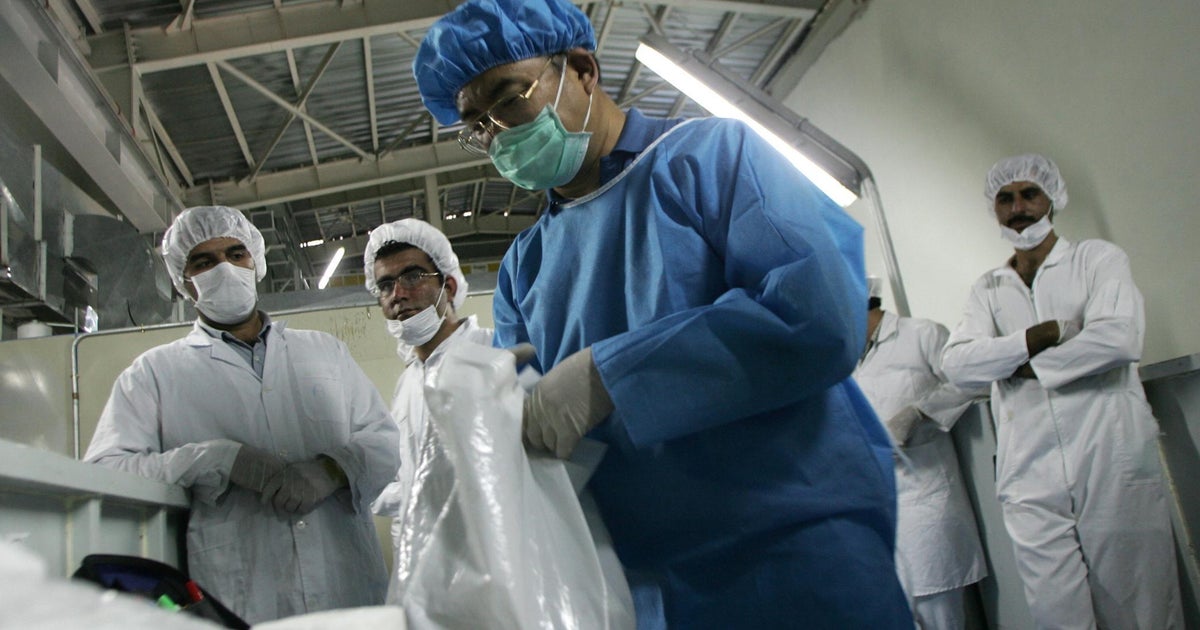
The article reports that the head of the International Atomic Energy Agency (IAEA), Rafael Mariano Grossi, said IAEA inspectors will visit Iran’s nuclear enrichment sites as stipulated in the recently signed Islamabad Memorandum of Understanding between the United States and Iran, though he indicated the exact timing is not essential. Iran’s chief negotiator Mohammad Bagher Ghalibaf framed the agreement as a political victory for Iran. The interim deal, signed by Presidents Trump and Masoud Pezeshkian, begins a designated 60-day negotiation window and includes provisions for IAEA supervision and downblending Iran’s enriched uranium stockpile. U.S. and Iranian officials had offered mixed public statements about inspections prior to Grossi’s remarks. Separately, Senator Marco Rubio traveled to Gulf states to discuss the memorandum and broader regional security concerns, reiterating that countries cannot impose tolls on the Strait of Hormuz. The Senate passed a largely symbolic concurrent war powers resolution directing removal of U.S. forces from hostilities against Iran absent congressional authorization. The article also notes President Trump directed the Department of Justice to investigate gasoline pricing that has not fallen in step with crude oil declines following the interim agreement.
Biblical Reflection
From a Christian perspective, the central issues here are truth, verification, and the pursuit of peace that protects the vulnerable. The IAEA’s role as an independent verifier is crucial: without transparent inspection and accountability, promises of de-escalation risk becoming rhetoric rather than durable peace. The article shows competing political narratives—triumphal statements from Iranian officials and mixed signals from other actors—which can obscure facts and feed distrust. Christians should value both the courage needed for honest diplomacy and the humility to submit to impartial verification. We should be wary of rhetoric that celebrates ‘victory’ without attention to justice for those harmed by conflict, and mindful that national pride or partisan politics can distort negotiation aims. Pastoral concerns include the safety of civilians in the region, the moral imperative to prevent nuclear proliferation, and care for truth in public life; these lead us to support measured, transparent steps toward de-escalation, oversight by credible institutions, and continued diplomatic engagement grounded in justice and mercy.
Scripture in context
This outlook does not yet include contextual Scripture citations. Do not treat a general biblical theme as an exegetical conclusion.
Faithful Response
No prescribed response is offered. Consider the reflection prompts below in your own church context.
Reflection and Discussion
- 1Whose narrative is shaping public perceptions of the deal, and are independent verification mechanisms being given the authority to determine facts?
- 2Do political statements prioritize national prestige over the concrete protections and safety of civilians; how does that affect our judgment about the agreement?
- 3Are we placing appropriate trust in neutral institutions (like the IAEA) while holding leaders—ours and theirs—accountable to transparency?
Sources
Reporting links are evidence inputs; Sanctuary News' biblical reflection is commentary.
This outlook currently relies on fewer than two linked sources. Broaden verification before teaching from it.
- 1.Original reportprimary