News Summary
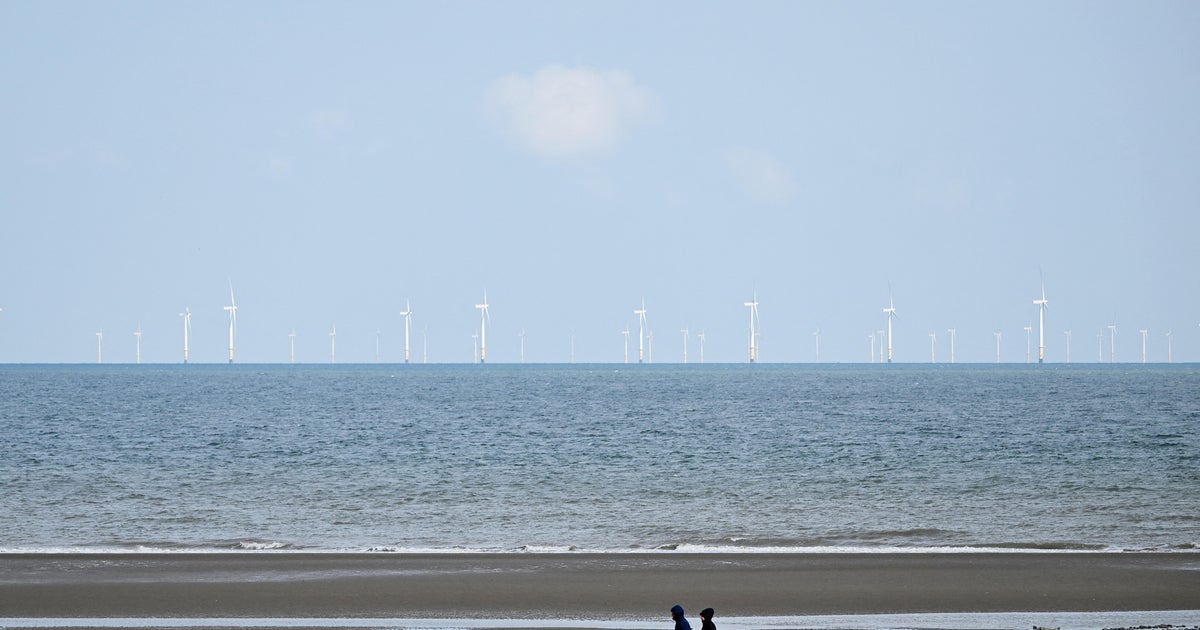
The U.K. government announced new policies reinforcing its commitment to net-zero emissions goals in response to recent energy price volatility linked to the U.S.-Iran war. U.K. Energy Secretary Ed Miliband said the country faces a second 'fossil fuel shock' in under five years and argued that reliance on fossil fuels is increasingly insecure. Prime Minister Keir Starmer said the government aims to 'break the link' between global gas prices and household electricity costs. Opposition voices and some commentators have urged reversing a 2025 ban on new North Sea oil and gas drilling; former President Donald Trump posted on Truth Social urging the U.K. to 'DRILL, BABY, DRILL' and opposing wind turbines. The article notes the North Sea is a mature basin (about 90% of its resources already extracted, per the Energy & Climate Intelligence Unit) and that restarting or significantly increasing production would take years. Oil prices briefly fell on rumors the Strait of Hormuz would reopen, but market uncertainty persists amid an expiring ceasefire.
Biblical Reflection
The article reports concrete policy statements and market reactions; its central claim—that geopolitical conflict highlights vulnerability tied to fossil fuels—is a valid interpretation, though it emphasizes one policy response (accelerating clean energy) over others. Expect two broad worldviews at work: a security-and-resilience argument for accelerating the energy transition, and a resource-priority argument urging expanded fossil extraction for near-term supply. Both contain partial truths. Scripture calls Christians to responsible stewardship of creation (not reckless exploitation) and to care for neighbors, especially the poor who bear energy price shocks. That requires balancing long-term creation care with short-term practical provision: prudence in planning, humility about technical timelines, and justice for those most affected by price spikes. Be wary of political slogans (for or against drilling) that simplify complex trade-offs; ask whether policy proposals honestly account for timelines, costs, and impacts on vulnerable people. The Christian response is not predetermined to favor one energy source but to seek truth, protect the vulnerable, and steward resources wisely.
Scripture in context
This outlook does not yet include contextual Scripture citations. Do not treat a general biblical theme as an exegetical conclusion.
Faithful Response
No prescribed response is offered. Consider the reflection prompts below in your own church context.
Reflection and Discussion
- 1Which interests and time horizons are driving the different policy prescriptions (rapid fossil extraction vs. accelerated clean energy), and who gains or loses under each?
- 2Does the article present trade-offs and timelines clearly, or does it rely on slogans and moral certainties that mask complexity?
- 3How does a biblical ethic of stewardship and care for the vulnerable reframe the conversation about energy security and rapid policy shifts?
Sources
Reporting links are evidence inputs; Sanctuary News' biblical reflection is commentary.
This outlook currently relies on fewer than two linked sources. Broaden verification before teaching from it.
- 1.Original reportprimary