News Summary
Facts: The U.K. Parliament approved a proscription designating Iran's IRGC and two other groups as threats to national security; supporting the IRGC in the U.K. is now a criminal offense punishable by up to 14 years (and life for sabotage). Two Romanian nationals were convicted and sentenced for the 2024 stabbing of journalist Pouria Zeraati; British prosecutors and the sentencing judge characterized the attack as state-sponsored. MI5 identified at least 20 Iran-linked plots in the year to October 2025. Attributions and uncertainty: The article attributes government beliefs that IMCR attacks were likely directed by the IRGC's Quds Force and reports officials' views that the designation will deter recruits; these assessments are government judgments and expert opinion rather than independently proven causal outcomes.
Source and Framing Analysis
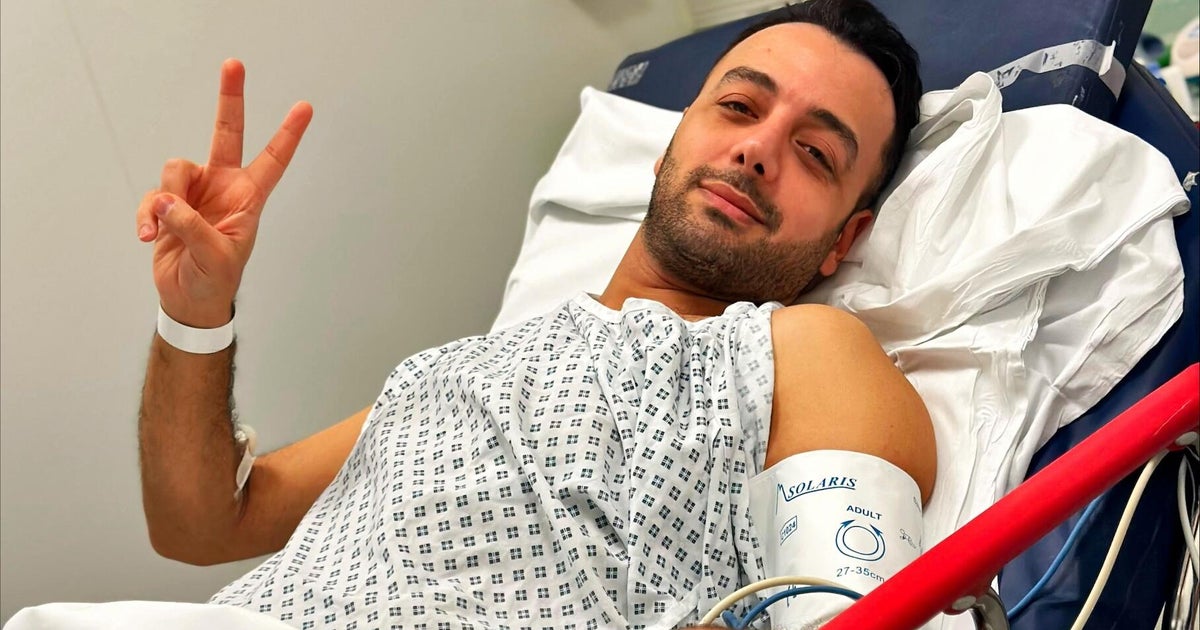
Source role: CBS News is the sole reporting source supplied here; the story relies on interviews (e.g., victim Pouria Zeraati), official statements attributed to U.K. government and security officials, court findings, and commentary from a former counterterrorism official. Missing voices: the article does not include a contemporaneous statement from the Iranian government, an explicit U.K. government press release text, legal documents or sentencing remarks in full, or independent academic security analysis. Incentives and framing: the piece foregrounds a victim's perspective, which highlights the human cost and supports the narrative for proscription; CBS has incentive to report both human-interest and national-security angles. Disputed or evidentiary matters: claims that IMCR was directed by Quds Force and that the designation will deter recruits are presented as the government's assessment and expert opinion; both require independent verification. What requires verification: full court records, MI5 assessment details, the U.K. government's legal reasoning and text of the proscription order, the Iranian government's response, and independent security analysis of likely consequences.
Biblical Reflection
From a Christian perspective, the U.K.'s decision aims to protect vulnerable people — exiled dissidents, journalists, and targeted communities — by removing legal cover and creating tools for law enforcement to disrupt transnational repression. The article presents the measure primarily as justice and deterrence for violent, state‑directed attacks, and that framing aligns with the biblical concern to defend the innocent and pursue justice for the oppressed. At the same time, the piece largely reflects the viewpoint of victims, police, and security officials and gives less space to the diplomatic trade‑offs or the possibility of retaliatory escalation; Christians should notice that emphasis and ask whether every protective step also preserves avenues for peace and the wise stewardship of statecraft. Practically, the designation can strengthen prosecution, surveillance, and disruption of proxy networks, yet it also risks further hardening relations between states and may complicate channels for negotiation that can spare lives. In short: the move pursues justice and neighbor‑protection in a fallen world, but faithful discernment calls for balancing righteous resistance to evil with prudence that seeks reconciliation where possible and avoids inflaming further violence.
Scripture in context
- 1Psalm 82 — Psalm 82 is a poetic plea addressing unjust judges and rulers, calling them to defend the weak, the fatherless, and the poor while pronouncing that God will judge the unjust. Historically it critiques corruption and the failure of leaders to protect vulnerable members of society. — The passage calls the faithful to insist that authorities protect the vulnerable and to hold wrongdoers accountable; it supports advocacy for persecuted journalists and minority communities while reminding Christians that ultimate judgment belongs to God and urging humility in earthly power.
Faithful Response
1) Pray for victims, for truthful investigation, and for the safety of diaspora communities. 2) Support verified advocacy groups helping persecuted journalists and those seeking legal protection or asylum. 3) Seek reliable information before forming or repeating definitive claims about complex state security actions. 4) Speak in public forums with care to avoid inflaming prejudice against immigrants or religious minorities.
Reflection and Discussion
- 1What parts of this story rely on government and prosecutor judgments, and what additional evidence would you want to see before endorsing government claims?
- 2How might media choices—centering a victim narrative vs. a diplomatic analysis—shape public support for stronger security measures?
- 3Are there risks that broad proscription of a state-linked organization could harm innocent people or choke off avenues for peaceful diplomacy?
Sources
Reporting links are evidence inputs; Sanctuary News' biblical reflection is commentary.
This outlook currently relies on fewer than two linked sources. Broaden verification before teaching from it.
- 1.U.K. Proscribes Iran's IRGC as Security Threatprimary_reporting