News Summary
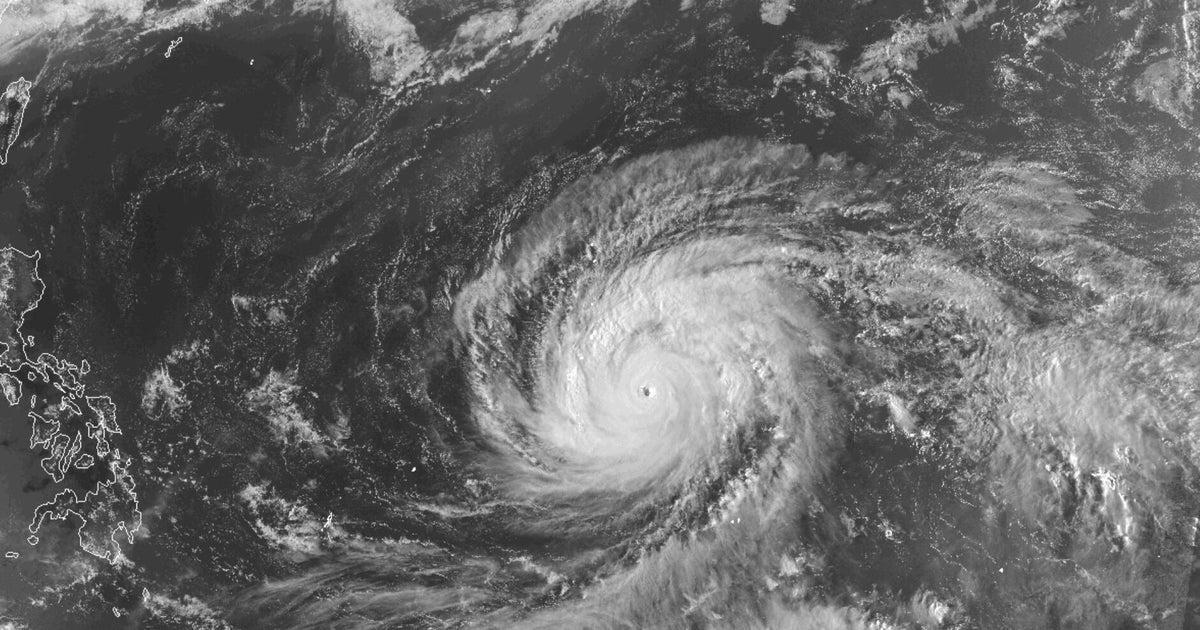
Typhoon Sinlaku, which reached peak winds of about 180 mph over open ocean and had sustained winds of up to 150 mph when it made landfall, struck the Northern Mariana Islands (notably Saipan and Tinian) on Tuesday, April 2026. The storm produced extremely powerful winds, heavy rain, storm surge and flooding; reports and images show uprooted trees, downed power lines, destroyed tin roofs and collapsed structures. Authorities reported widespread power outages and impassable roads; the American Red Cross and local agencies sheltered more than 1,000 people. As of reporting, no deaths had been confirmed; officials were in the early stages of damage assessment and rescue operations. Sinlaku weakened to Category 4 strength as it tracked north and was forecast to pass west of more remote northern Marianas (Alamagan, Pagan, Agrihan) while continuing to weaken. Guam experienced tropical-storm-force winds and gusts to about 88 mph, with school closures, utility outages and military personnel sheltering in place. President Trump approved emergency disaster declarations for Guam and the Mariana Islands prior to the storm's arrival.
Biblical Reflection
The article is principally a straightforward weather/disaster report focused on physical impacts, immediate response and human stories of loss and resilience. From a Christian perspective, the event underscores human vulnerability to natural forces and the call to compassion and practical aid for those affected. The coverage includes individual testimony about trauma and economic fragility, and a resident links repeated storms to climate concerns; the piece presents those claims as personal testimony rather than an investigative claim about causation. Christians should avoid simplistic politicization of such tragedies — neither reducing them solely to policy talking points nor ignoring broader scientific and social questions — while prioritizing neighborly care (practical relief, shelter, rebuilding) and truthful reporting. Biblically, disasters reveal our dependence on God (Psalm 46) and call the church to mercy and stewardship: care for the suffering, preparedness, and wise stewardship of creation and resources. Be alert to framing that emphasizes spectacle over sustained support; long-term recovery needs spiritual, material and institutional attention beyond immediate headlines.
Scripture in context
This outlook does not yet include contextual Scripture citations. Do not treat a general biblical theme as an exegetical conclusion.
Faithful Response
No prescribed response is offered. Consider the reflection prompts below in your own church context.
Reflection and Discussion
- 1Does the reporting focus primarily on immediate dramatic impacts or also on long-term recovery needs and the resilience of local communities? Where might sustained Christian aid be most needed?
- 2When residents or officials link storms to climate trends, is the article presenting that as personal testimony or as established causal analysis? How should Christians weigh scientific claims alongside calls to compassion and stewardship?
- 3Is the coverage inviting a response of care and prayer, or is it encouraging fear, blame, or political point-scoring? How does that shape your perception of the event and your response as a follower of Christ?
Sources
Reporting links are evidence inputs; Sanctuary News' biblical reflection is commentary.
This outlook currently relies on fewer than two linked sources. Broaden verification before teaching from it.
- 1.Original reportprimary