News Summary
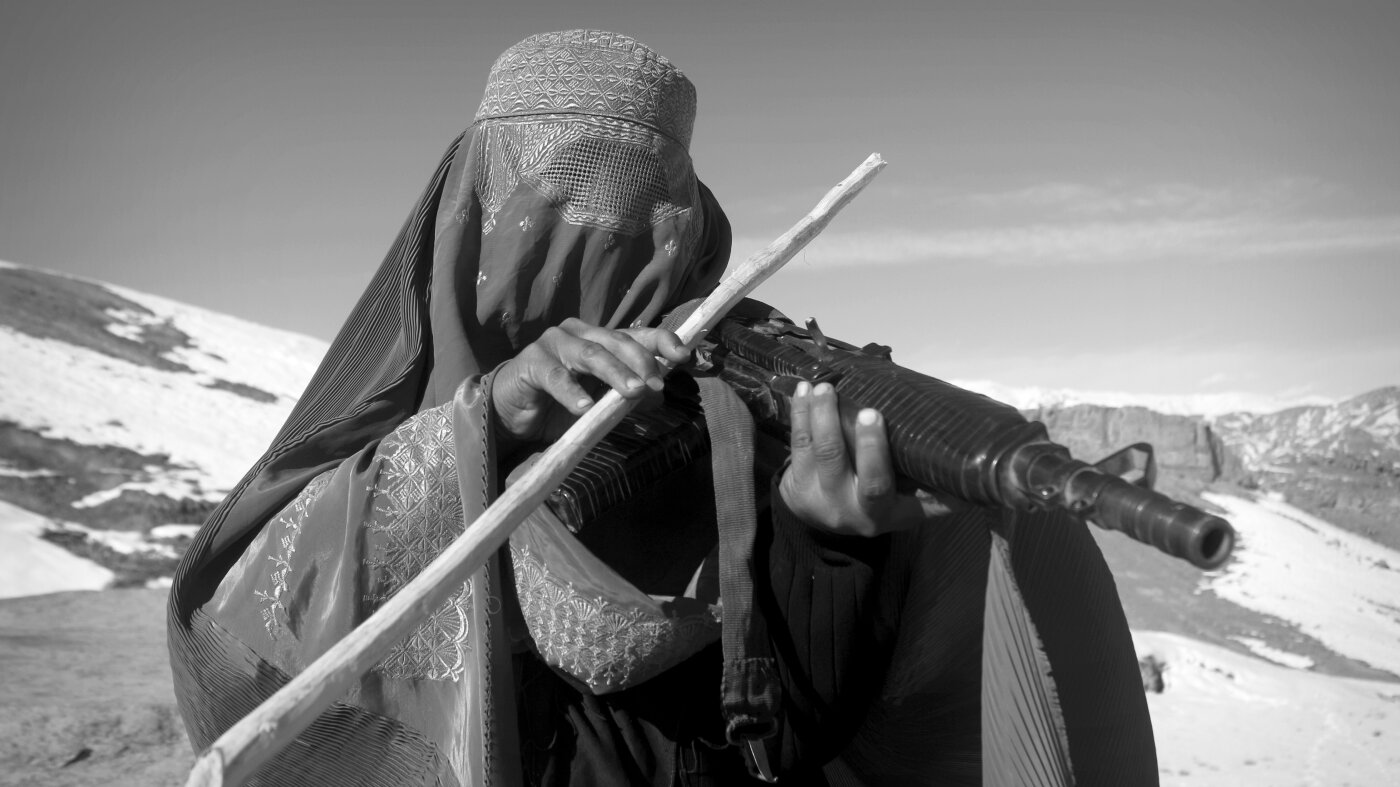
Two young Afghan cousins, using the pseudonyms Mahnaz Ebrahimi (b. 2000) and Somayeh Ebrahimi (b. 2001), have produced a series of black-and-white photographs on their cellphones that depict women and girls in scenes that mix autobiographical settings with staged or symbolic actions. The cousins are Hazara Shia Muslims who left Kabul after the Taliban regained power in 2021 and now live in a remote Afghan mountain farming village. Their images address restrictions imposed on women under Taliban rule—such as bans on female education beyond sixth grade and restrictions on public music, dancing, and dress—and also show aspirational or dreamlike elements. Madrid-based curator Edith Arance found their work on Instagram, collaborated with them, translated captions/poems, and exhibited their photos at Galería Sura (Madrid) in November 2024. The collection is on display through May 30 at the Photoville Festival in Brooklyn. The artists describe their work as auto-fiction and use visual motifs (light and shadow, plants, butterflies, trees) to blend real conditions with imaginative expression. They remain anonymous because they fear Taliban retribution.
Biblical Reflection
From a Christian perspective this story highlights several truths and pastoral concerns. First, the photographs are a form of witness: they give voice to human dignity, yearning, and the reality of gender-based restrictions in Afghanistan. That aligns with Scripture's consistent care for the marginalized and oppressed (e.g., calls to seek justice and defend the vulnerable). Art can reveal spiritual and social realities in ways straight reporting sometimes cannot — the cousins’ mixing of fact and staged imagery (auto-fiction) aims to communicate inner life and hope as much as external suffering. Christians should honor the testimony and courage of those who risk speaking under threat, while also understanding the artistic device being used so we do not collapse poetic symbolism into literal reportage.
Second, the article and the exhibit reflect an underlying worldview that values human freedom, agency, and resistance to systems that dehumanize women. That worldview sits comfortably with a biblical anthropology that affirms the image-bearing worth of women and calls injustice by name. At the same time, Western consumption of such images can risk turning real suffering into aesthetic spectacle; a faithful Christian response resists voyeurism and instead moves toward informed prayer, advocacy, and charitable support for the persecuted.
Finally, there is a prudential note: auto-fictional art can sharpen empathy but also shape perception—viewers should read captions and context carefully, avoid simplistic conclusions about every individual's experience in Afghanistan, and seek reliable information from multiple sources when considering action. Spiritually, the photos invite solidarity, lament, and sustained attention rather than quick outrage or passive consumption.
Scripture in context
This outlook does not yet include contextual Scripture citations. Do not treat a general biblical theme as an exegetical conclusion.
Faithful Response
No prescribed response is offered. Consider the reflection prompts below in your own church context.
Reflection and Discussion
- 1How does knowing these images intentionally mix autobiography and staged symbolism change the way you receive them as evidence of oppression or of hope?
- 2Are we responding as viewers with compassion and a drive toward justice and support, or mainly with curiosity that risks aestheticizing others' suffering?
- 3What concrete, sustained steps (prayer, advocacy, information, charitable support) does our faith require when we encounter testimony of people living under political and religious repression?
Sources
Reporting links are evidence inputs; Sanctuary News' biblical reflection is commentary.
This outlook currently relies on fewer than two linked sources. Broaden verification before teaching from it.
- 1.Original reportprimary