News Summary
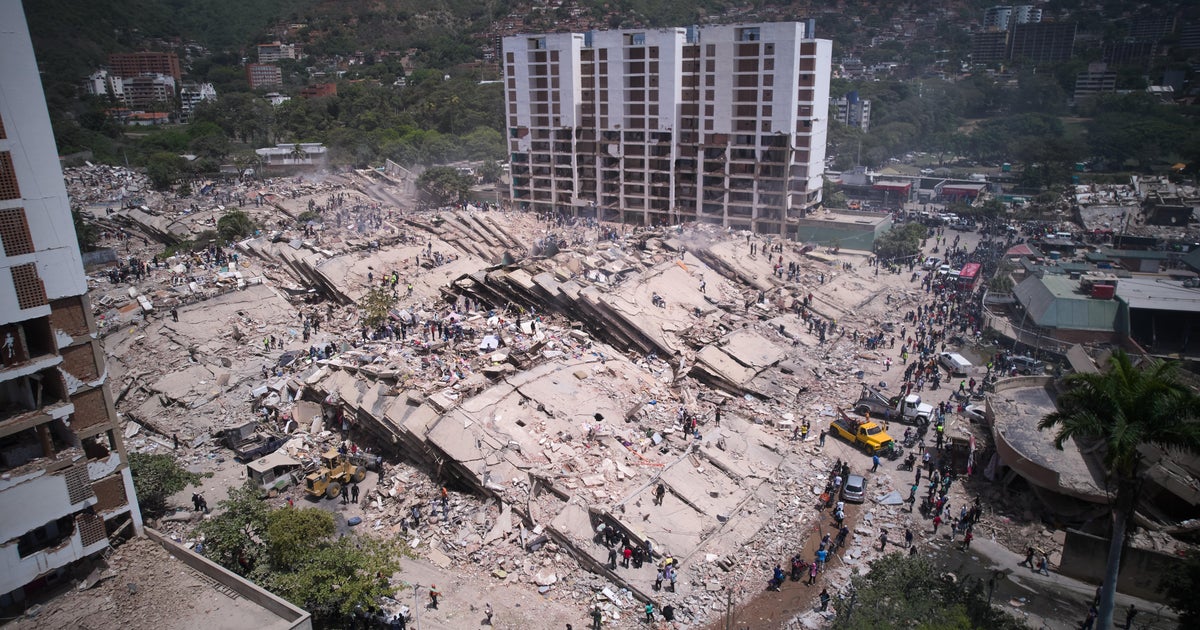
Two shallow, near-simultaneous earthquakes struck near La Guaira just north of Caracas in mid‑June 2026. The quakes and subsequent aftershocks caused widespread building collapse across La Guaira and parts of Caracas, killing hundreds and leaving thousands trapped under rubble. By the third day, rescue efforts continued amid chaotic conditions: residents were conducting their own searches citing a scarcity of visible state rescuers; authorities reported more than 200 people rescued and gave a figure of about 51,000 missing (a number likely inflated by communication outages and duplicate reports); the International Organization for Migration estimated up to 6.76 million people could be affected, including around 2 million in Caracas. Venezuelan authorities announced restricted access to La Guaira, said they were distributing food and water, and reported the area had been militarized. About 861 international volunteers and rescuers from many countries were present or en route, and the United States and other nations sent search-and-rescue teams, medical resources, and humanitarian aid. Eyewitness accounts described desperate searches, lack of heavy machinery, chaotic crowds, disrupted communications, and ongoing fear from aftershocks. The quakes present a large humanitarian and logistical challenge compounded by Venezuela's long-running economic and governance problems.
Biblical Reflection
From a Christian perspective, this story centers on human suffering and urgent need. The immediate moral imperative is mercy: providing rescue, medical care, food, water, and shelter to people in danger without delay or partisan posturing. The article raises reasonable questions about capacity and accountability — citizens report few visible government rescuers while officials emphasize a full response — and readers should note that initial casualty and 'missing' figures can be unreliable when communications are down. The political context (leadership changes, contested legitimacy, long-term economic collapse) matters because it affects institutional ability to respond, but our focus should remain on truthfully assessing needs and on compassionate action. Beware of letting political narratives overshadow the concrete needs of neighbors: holding leaders accountable for effective response is appropriate, but the first response of communities and churches should be to offer practical help, truthful reporting, prayerful presence, and advocacy for sustained aid. Christians should resist exploitation of the tragedy for partisan advantage, practice humility in hearing conflicting claims, and press for transparent distribution of aid so that the vulnerable are served equitably.
Scripture in context
This outlook does not yet include contextual Scripture citations. Do not treat a general biblical theme as an exegetical conclusion.
Faithful Response
No prescribed response is offered. Consider the reflection prompts below in your own church context.
Reflection and Discussion
- 1Are initial casualty and 'missing' figures being taken at face value, or should I consider the limits of communication and reporting in a disaster?
- 2How might long-term governance, economic collapse, and political legitimacy shape both the scale of the disaster and the response capabilities?
- 3Am I more inclined to consume a political narrative about the crisis than to look for ways to support truthful reporting and effective relief for those who are suffering?
Sources
Reporting links are evidence inputs; Sanctuary News' biblical reflection is commentary.
This outlook currently relies on fewer than two linked sources. Broaden verification before teaching from it.
- 1.Original reportprimary