News Summary
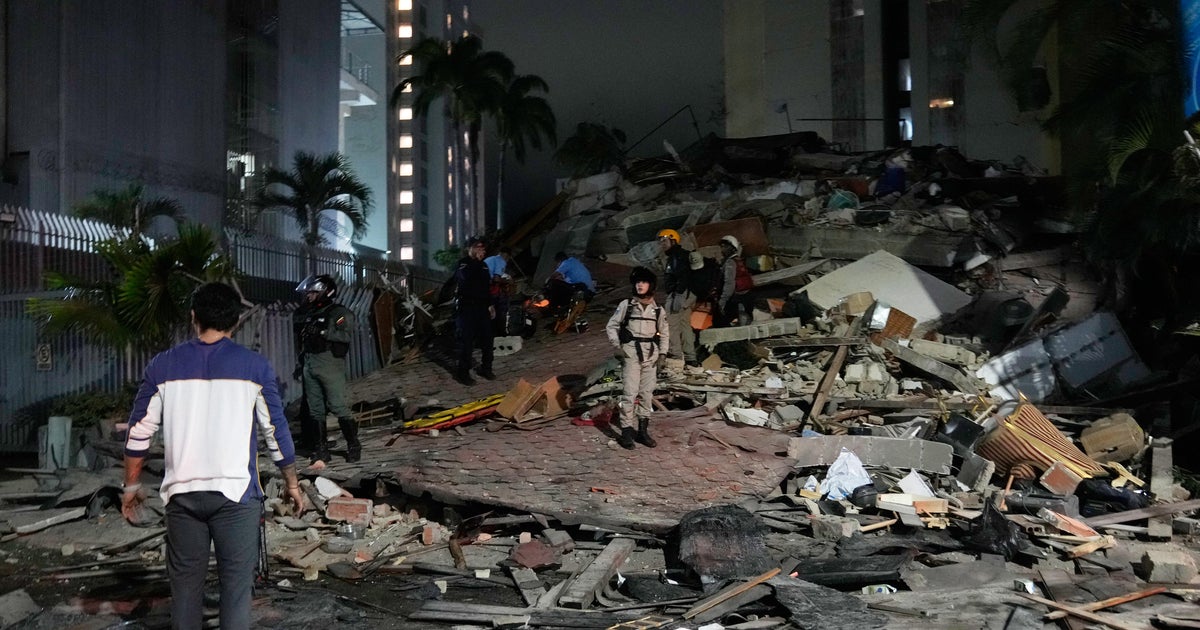
On the evening referenced, Venezuela was struck by two powerful earthquakes in rapid succession — a 7.2 event followed 39 seconds later by a 7.5 — centered northwest of Montalbán at shallow depths. Acting President Delcy Rodríguez reported at least 164 dead and about 971 injured, while officials warned those figures could rise as rescue operations continued and teams searched collapsed buildings. The quakes caused widespread structural damage, collapsed buildings in Caracas (including the Altamira neighborhood) and La Guaira, toppled utility poles, caused power and cellphone outages in parts of the capital, and forced closure of Simón Bolívar International Airport. Tsunami advisories were briefly issued for Puerto Rico and the U.S. Virgin Islands and later canceled; parts of Brazil and Colombia felt shaking but reported no major damage. The U.S. and several other countries offered aid; U.S. officials said a disaster assistance team and search-and-rescue and medical resources were being mobilized. Venezuelan authorities declared a state of emergency, canceled some classes, called health workers to hospitals, and designated schools as shelters and donation centers. The U.S. Geological Survey’s modeling noted, based on historical averages, a nonzero probability of much larger fatalities, but that modeling is probabilistic and does not account for many event-specific factors.
Biblical Reflection
The article reports a sudden, large-scale human tragedy with clear humanitarian needs and presents named official figures, scientific data, and international responses. It largely adheres to verifiable sources (government statements, USGS) and includes caveats about modeling uncertainty, which helps prevent overstating harm. Readers should note the stock of political actors and language — for example, mentions of U.S. leaders and how aid is framed — which can invite political interpretation of relief efforts; Christians should be cautious not to let partisan loyalties overshadow the humanitarian reality. From a pastoral perspective, the event exposes vulnerability and the limits of human control, calling for mercy, practical aid, and truthfulness in reporting. The church’s appropriate response is to pray, offer tangible assistance, support neutral search-and-rescue and medical work, and resist exploiting suffering for political gain. The article’s worldview is humanitarian and institutional: it emphasizes state actors, scientific assessment, and international cooperation; a Christian reading supplements that with a call to neighborly love and disciplined discernment amid uncertain figures and politicized messaging.
Scripture in context
This outlook does not yet include contextual Scripture citations. Do not treat a general biblical theme as an exegetical conclusion.
Faithful Response
No prescribed response is offered. Consider the reflection prompts below in your own church context.
Reflection and Discussion
- 1Which facts in this story are provisional (models, early casualty counts), and how should that uncertainty shape our confidence in headlines and social media claims?
- 2How might political framing of international aid influence public perception of victims, and how should Christians guard against turning relief into a political weapon?
- 3What responsibilities do local churches and Christian organizations have in offering nonpartisan relief and steady pastoral care amid large-scale disasters?
Sources
Reporting links are evidence inputs; Sanctuary News' biblical reflection is commentary.
This outlook currently relies on fewer than two linked sources. Broaden verification before teaching from it.
- 1.Original reportprimary