News Summary
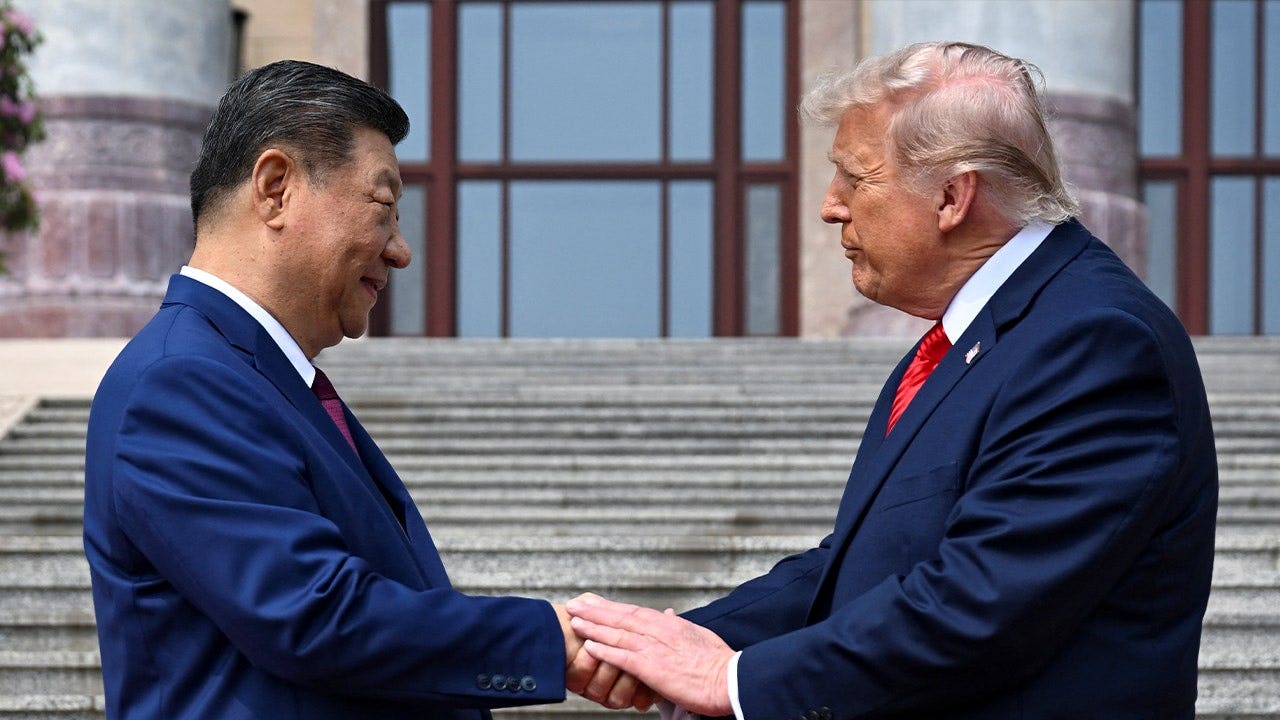
Opinion piece by Gordon G. Chang assessing President Donald Trump’s May 2026 summit with Chinese President Xi Jinping in Beijing. The article notes the White House published a fact sheet listing Chinese commitments after the meeting but says few operational details were released. It highlights two main areas of concern: (1) U.S.-China dialogue has historically led to delayed U.S. action while China allegedly continued objectionable behavior, and (2) Xi’s rhetoric at the summit (references to a “new era” and the Thucydides Trap) suggests an assertive worldview. The author emphasizes repeated past Chinese promises to U.S. leaders to curb fentanyl precursor exports (cited pledges to Obama in 2016, to Trump in 2018, to Biden in 2023, and again to Trump in 2025) and claims those pledges were not honored; he cites U.S. officials saying China continues to sell precursor chemicals. The piece cites commentators (Charles Burton, Charles Payne) and contrasts views that liken a possible Trump-Xi thaw to Reagan–Gorbachev with the author’s view that China is economically and demographically fragile and ideologically determined. The article reports that China announced a visit by Vladimir Putin and includes historical and ideological analysis of Xi’s references to tianxia and Party doctrine. The tone is skeptical of the summit’s potential to end strategic rivalry and warns readers to be cautious about trusting Chinese commitments.
Biblical Reflection
Christian discernment requires both truth-telling and a pursuit of peace. The article raises real policy questions — repeated promises on fentanyl precursors that appear to have failed and assertive rhetoric from Beijing are legitimately matters of public safety and national interest. Those factual concerns deserve sober attention and accountability. At the same time, this is an opinion column that frames China’s motives in the most adversarial light, leans on worst-case historical analogies, and at times blends government ideology with national identity. Christians should beware two twin errors: (1) naive trust that diplomacy alone will solve harms to the vulnerable (we must seek justice and protection for victims of fentanyl), and (2) reactive fear or dehumanizing rhetoric that treats all Chinese people as enemies. Biblically faithful response holds both truth and love: expose and oppose actions that harm the innocent (Proverbs and Micah speak for justice), demand transparency and verification from leaders, and pursue wise, peace-seeking policies that avoid xenophobia. Practically, verify the article’s claims (check primary sources like the White House fact sheet and statements from U.S. drug enforcement officials), distinguish the Chinese Communist Party’s strategic aims from the Chinese people, and press leaders toward accountability measures that protect lives while keeping open necessary diplomatic channels. Finally, exercise humility: geopolitical analysis often involves inference and prediction; our calling is to pray, to seek wise counsel, and to act justly while promoting peace where possible.
Scripture in context
This outlook does not yet include contextual Scripture citations. Do not treat a general biblical theme as an exegetical conclusion.
Faithful Response
No prescribed response is offered. Consider the reflection prompts below in your own church context.
Reflection and Discussion
- 1What specific evidence does the article cite for China’s broken pledges (e.g., White House fact sheet, U.S. drug-enforcement reports), and can you verify those sources independently?
- 2Does the piece conflate the actions and ideology of the Chinese Communist Party with the entire Chinese people, and how does that affect the tone and policy prescriptions offered?
- 3How should Christians balance the demands of justice for victims (e.g., from fentanyl) with the biblical call to pursue peace and avoid dehumanization in public rhetoric?
Sources
Reporting links are evidence inputs; Sanctuary News' biblical reflection is commentary.
This outlook currently relies on fewer than two linked sources. Broaden verification before teaching from it.
- 1.Original reportprimary