News Summary
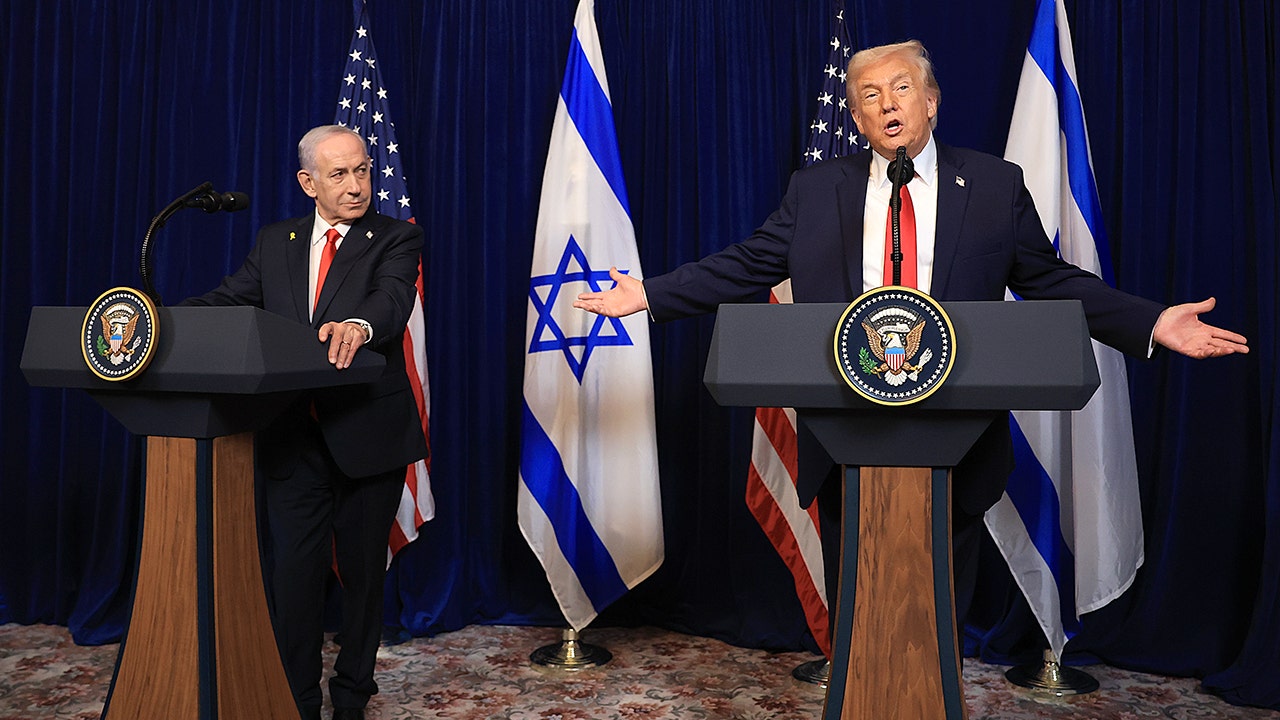
Fox News reports that President Donald Trump has urged several Muslim-majority countries to normalize relations with Israel by signing onto the Abraham Accords as a condition for participating in a developing agreement with Iran. According to the report and posts Trump made on Truth Social, he told leaders of Saudi Arabia, Qatar, Egypt, Pakistan, Turkey and Jordan that they should “simultaneously” sign the Abraham Accords after the U.S. helps finalize the Iran-related deal. Trump also said he planned to speak with leaders of the United Arab Emirates and Bahrain, and suggested—speculatively—that Iran might eventually become part of the Abraham Accords. Former Assistant Secretary of State Robert Charles discussed the emerging Iran deal and efforts to expand the Accords on Fox & Friends First. U.S. and Israeli officials, the article notes, do not expect the UAE to make a move on normalization before Israel’s September elections.
Biblical Reflection
From a Christian perspective, the push to expand diplomatic ties and reduce regional tensions can reflect the biblical call to pursue peace. However, the framing also raises concerns: making normalization a prerequisite for participation in a security or nuclear agreement treats diplomacy as transactional and risks sidelining deeper grievances — especially Palestinian political and humanitarian claims. The report primarily relays statements by President Trump and commentary on a conservative network; it gives limited voice to the governments being asked to act or to affected regional populations. Christians should welcome efforts toward peace and security but remain discerning about tactics and motives: are leaders seeking durable reconciliation that addresses justice and human dignity, or are they pursuing strategic advantage and quick headline agreements? Truth-loving discernment requires checking multiple sources, listening for the perspectives of those most affected, and holding fast to both mercy and justice as measures of authentic peace.
Scripture in context
This outlook does not yet include contextual Scripture citations. Do not treat a general biblical theme as an exegetical conclusion.
Faithful Response
No prescribed response is offered. Consider the reflection prompts below in your own church context.
Reflection and Discussion
- 1Does conditioning participation in a regional Iran agreement on joining the Abraham Accords treat normalization as a strategic transaction rather than a step toward lasting reconciliation?
- 2Whose voices are missing from this conversation (for example, Palestinians or public opinion in the named countries), and how might their exclusion affect the durability of any agreement?
- 3Are the primary motives presented—security, diplomacy, political timing—balanced with attention to justice and human dignity, and how should Christians weigh those competing priorities?
Sources
Reporting links are evidence inputs; Sanctuary News' biblical reflection is commentary.
This outlook currently relies on fewer than two linked sources. Broaden verification before teaching from it.
- 1.Original reportprimary