News Summary
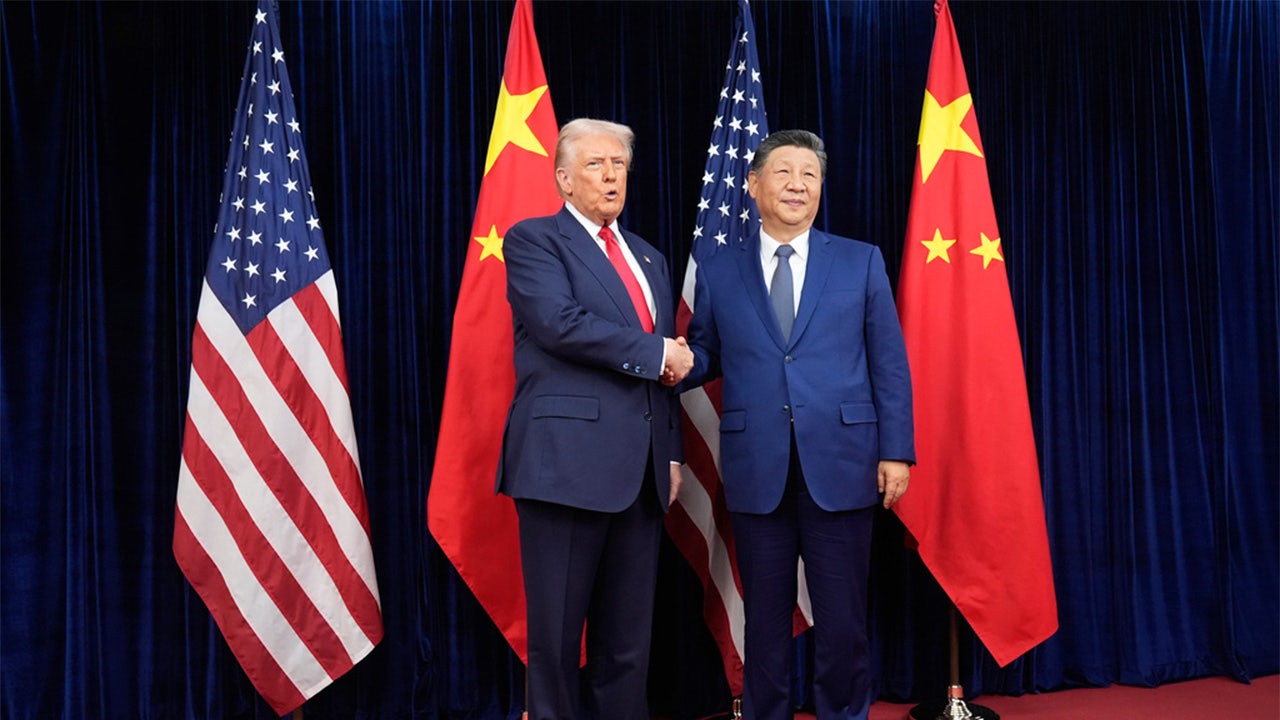
This is an opinion piece published by Fox News, written by Alexander Gray, a former Trump administration official. The article argues that President Trump’s economic, energy, regulatory, and trade policies have improved the United States’ bargaining position with China. Key claims made in the piece include: (1) U.S. deregulation and tax policy have stimulated domestic investment and growth; (2) U.S. energy policy has shifted the country from import dependence to net energy exporter status, reducing vulnerability to foreign suppliers; (3) the USMCA has re‑anchored North American supply chains, with the article citing that 16 of 21 key manufacturing sectors grew exports under USMCA and that vehicle parts production rose to $349 billion annually (above 2019 levels), adding roughly 61,000 jobs in the sector; (4) these changes, together with tariffs and other trade measures, have eroded China’s leverage — the article states China produces about 30% of the world’s manufactured goods while consuming about 18% and that China historically used state subsidies and export dumping to dominate markets; (5) the author concludes that the U.S. will meet Xi Jinping from a position of unprecedented economic leverage. The piece frames these developments as vindication of an "America First" industrial and trade strategy. The article is framed as commentary and does not present independent third‑party verification of all numerical claims or counterarguments from other experts.
Biblical Reflection
This article is an explicitly partisan opinion piece written by a former Trump official and functions as advocacy for a specific economic and diplomatic narrative. It highlights real levers of national power — energy, manufacturing capacity, and trade arrangements — that do matter in international negotiations. At the same time, it simplifies complex geopolitical realities and treats contested economic and strategic claims as settled facts. From a Christian perspective, evaluate both the content and the intent. The impulse to secure one’s nation and protect people’s livelihoods aligns with biblical concerns for justice, provision, and the common good. Yet Christians should also be wary of unexamined national pride, triumphalism, and an oversimplified "us‑versus‑them" rhetoric that can dehumanize others or excuse harms inflicted in pursuit of power. The article largely omits discussion of longer‑term costs or risks (economic, humanitarian, and environmental), the effects of tariffs and trade shifts on different communities, and the moral responsibilities of a global power toward weaker nations. Discernment requires (1) checking factual claims against multiple, independent sources; (2) asking who benefits and who may be harmed by the policies celebrated; and (3) affirming the biblical call to pursue peace, wise stewardship, and humility even while prudently defending the vulnerable and seeking security. Christians can hold together legitimate concern for national security and economic flourishing with Christlike humility, truthfulness, and peacemaking.
Scripture in context
This outlook does not yet include contextual Scripture citations. Do not treat a general biblical theme as an exegetical conclusion.
Faithful Response
No prescribed response is offered. Consider the reflection prompts below in your own church context.
Reflection and Discussion
- 1What assumptions about strength, security, and moral legitimacy underlie this argument — and are those assumptions presented as settled facts or as contested policy judgments?
- 2Which voices and data are absent from this piece (e.g., independent economic analysis, foreign partners, workers harmed by tariffs), and how would their inclusion change the picture?
- 3How should Christians balance the legitimate need for national prudence and protection with the call to humility, truthfulness, and peacemaking in international affairs?
Sources
Reporting links are evidence inputs; Sanctuary News' biblical reflection is commentary.
This outlook currently relies on fewer than two linked sources. Broaden verification before teaching from it.
- 1.Original reportprimary