News Summary
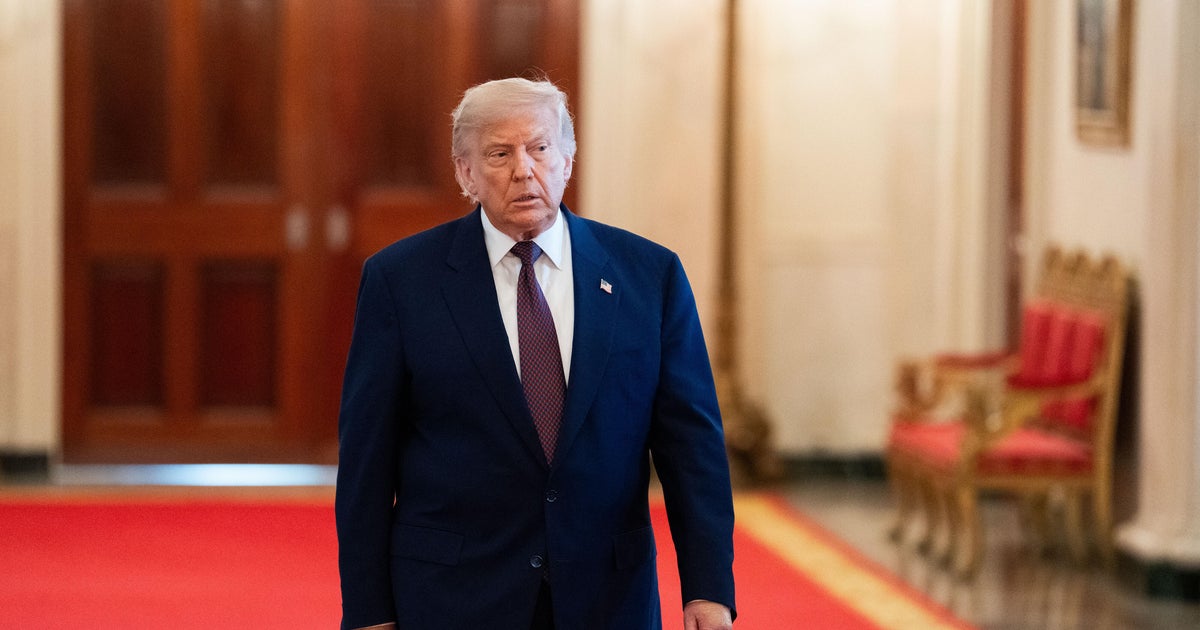
President Trump is expected to meet with top executives from major U.S. defense contractors on Wednesday while his administration continues peace talks with Iran. The meeting follows a March 6 White House gathering with leaders from Lockheed Martin, RTX (Raytheon parent), BAE Systems, Boeing, Honeywell Aerospace, L3Harris and Northrop Grumman. The administration has been pressing contractors to prioritize production and U.S. manufacturing capability over dividend payments and stock buybacks. In January the president issued an executive order seeking to limit dividend payments and buybacks by defense contractors; Congress is considering similar legislation. Recent corporate actions: Northrop Grumman and RTX increased dividends in May (about 7%), RTX and Lockheed Martin have paused buybacks, Northrop offered a small buyback earlier this year, and Boeing has not issued dividends or buybacks since 2020. Sources say the president specifically expects answers from Northrop Grumman. On June 11 the president invoked the Defense Production Act in a memo to Defense Secretary Pete Hegseth, citing systemic constraints in the munitions industrial base—limited production capacity, fragile supply chains, long-lead dependencies, and production bottlenecks—and warning such shortfalls could impair U.S. ability to produce required munitions, missiles, and equipment for national defense.
Biblical Reflection
From a Christian perspective, the story raises tensions between legitimate national-security stewardship and the moral questions that follow when government pressures private industry. The administration’s focus on increasing munitions production and prioritizing domestic manufacturing responds to concrete security concerns; prudence and care for citizens’ safety are consistent with Christian responsibilities of leadership. At the same time, applying blunt economic pressure on companies and framing corporate governance decisions chiefly in service of military readiness invites scrutiny: are policies made transparently, justly, and with accountability? The article is straightforward reporting but relies on anonymous sources for some details and foregrounds the president’s intent—readers should note the perspective comes from administration and industry interactions rather than independent audit. Christians should evaluate both the motive of protecting the vulnerable and the risk of elevating militarized preparedness as an unquestioned good. Love of neighbor includes protecting the nation, but also pursuing peace, avoiding profiteering from war, and ensuring policies do not ignore workers, taxpayers, or international consequences. Encourage scrutiny of whether policies balance security, economic fairness, and pursuit of diplomatic solutions already underway with Iran.
Scripture in context
This outlook does not yet include contextual Scripture citations. Do not treat a general biblical theme as an exegetical conclusion.
Faithful Response
No prescribed response is offered. Consider the reflection prompts below in your own church context.
Reflection and Discussion
- 1Is the emphasis on rapid weapons production driven primarily by urgent defense needs, political signaling, or corporate incentives — and how can we tell?
- 2Whose voices are missing in this account (rank-and-file workers, auditors, foreign civilians) and how does their absence shape our understanding of the policy’s justice?
- 3How should Christians weigh preparedness and deterrence against the call to pursue diplomatic solutions and resist militarized profiteering?
Sources
Reporting links are evidence inputs; Sanctuary News' biblical reflection is commentary.
This outlook currently relies on fewer than two linked sources. Broaden verification before teaching from it.
- 1.Original reportprimary