News Summary
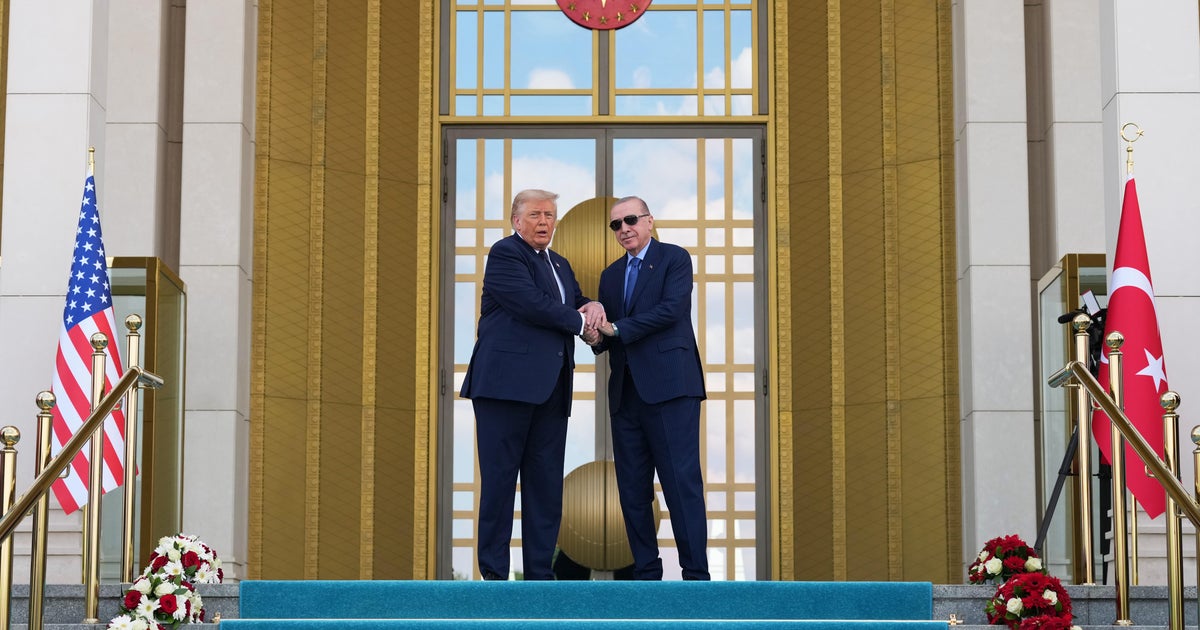
President Trump plans a press conference to close the two-day NATO summit in Ankara. The U.S. carried out additional strikes on Iran after Iranian attacks on three commercial vessels in the Strait of Hormuz; NATO Secretary General Mark Rutte described those strikes as "absolutely necessary" and voiced support. At the summit, Mr. Trump pressed NATO members to increase defense spending to 5% of GDP and criticized some allies for not participating in the U.S.-Iran response. He emphasized closer U.S.-Turkey ties, announced plans to ease sanctions on Turkey, and said he is considering allowing Turkey to rejoin the F-35 fighter jet program from which it was removed in 2019; Congress passed legislation in 2020 effectively blocking transfers to Turkey. Some Republican lawmakers have expressed concerns about Turkey rejoining the program. The U.S. recently revoked a general license enabling Iranian oil sales, a move that jeopardizes a memorandum of understanding important to Iran's willingness to negotiate. Mr. Trump met world leaders on the summit sidelines, including Ukrainian President Volodymyr Zelenskyy, with the war in Ukraine also discussed among NATO allies.
Biblical Reflection
From a Christian perspective, this article highlights the tensions between national security, alliance solidarity, and the pursuit of peace. The reporting is largely descriptive of actions and statements but gives limited attention to legal rationale, humanitarian consequences, or alternative diplomatic options — omissions that can skew public understanding toward accepting forceful responses as inevitable. The emphasis on stronger bilateral ties with Turkey and on spending as proof of commitment reflects a transactional worldview: alliances measured by contribution and benefit rather than mutual trust, shared values, and the protection of the vulnerable. Christians should weigh calls for military readiness against the biblical commitments to justice, truth, and peacemaking. That means asking whether actions are proportionate, transparent, and aimed at protecting innocent lives and restoring stability rather than rewarding power or personal favor. It also means praying for leaders to exercise humility, seek wise counsel, and pursue avenues that reduce the suffering of civilians and commercial actors caught in geopolitical conflict.
Scripture in context
This outlook does not yet include contextual Scripture citations. Do not treat a general biblical theme as an exegetical conclusion.
Faithful Response
No prescribed response is offered. Consider the reflection prompts below in your own church context.
Reflection and Discussion
- 1Which voices and consequences are missing from coverage when military action is framed primarily as a necessary response?
- 2Are alliances being strengthened to promote common security and justice, or are they becoming transactional relationships measured mainly by spending and short-term advantage?
- 3How should Christians balance the need for national defense with the call to pursue reconciliation and minimize harm to civilians?
Sources
Reporting links are evidence inputs; Sanctuary News' biblical reflection is commentary.
This outlook currently relies on fewer than two linked sources. Broaden verification before teaching from it.
- 1.Original reportprimary