News Summary
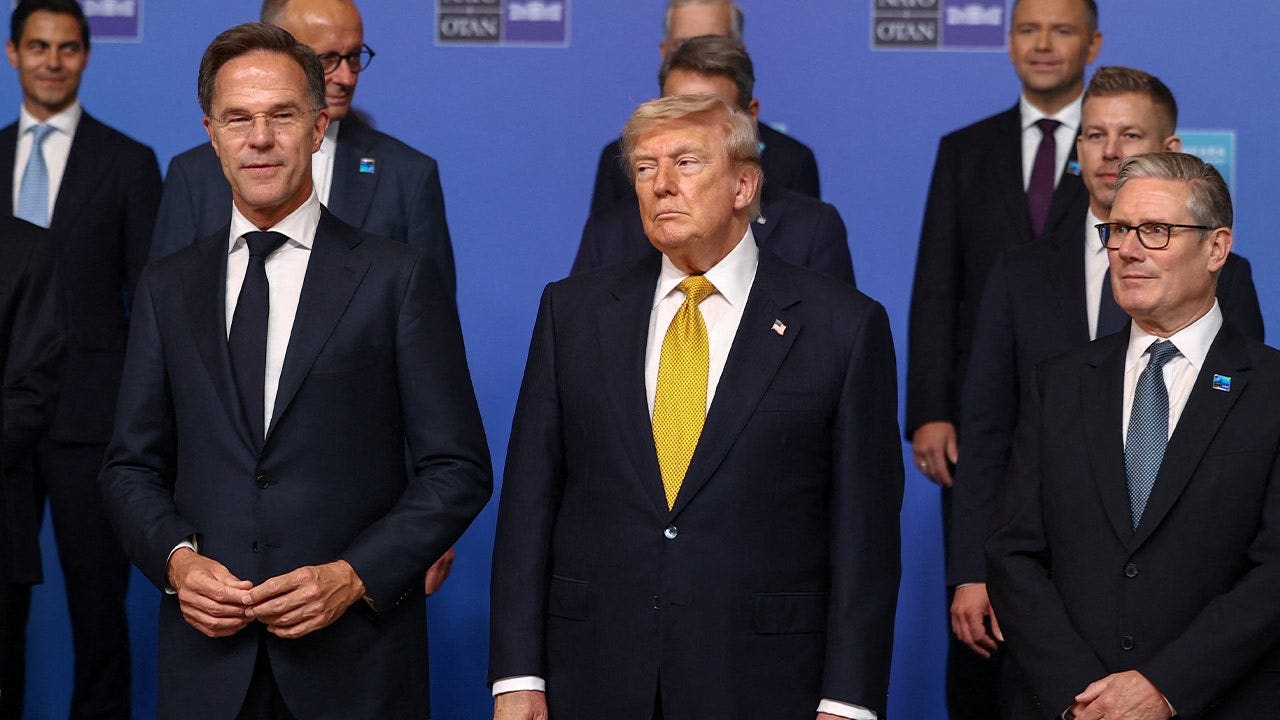
At the NATO summit, President Trump publicly criticized Spain for refusing to commit to a new NATO defense spending benchmark (a 5% of GDP target) and called Spain a "wasted cause." He urged cutting off all trade and visits with Spain and predicted Spain would later seek to restore trade ties. Spain was reported as the only NATO member to publicly reject committing to the full 5% target, seeking flexibility in meeting capability goals. The article notes prior friction: Spain condemned the U.S.-Israeli campaign against Iran and denied use of jointly operated U.S.-Spain bases for offensive operations. U.S.-Spain merchandise trade totaled roughly $47 billion in 2025. The report says it was unclear whether the president's remarks signaled a formal policy change; the White House and trade officials had not provided immediate details. The article also points out legal and diplomatic complications because Spain is an EU member and the EU handles trade as a customs union.
Biblical Reflection
The article reports a forceful public rebuke by the U.S. president toward a NATO ally and a direct threat to use economic leverage. Factually, it records the president's statements and the diplomatic context; it does not document an enacted policy. From a Christian pastoral perspective, standing for fairness in shared defense burdens is legitimate, but the tone and tactics—personal insult and abrupt threats—risk undermining long-term relationships, trust, and the common good. The piece reflects a worldview that prizes transactional leverage and unilateral pressure over patient diplomacy and covenantal ties. It also shows how personality-driven rhetoric can shape foreign policy in ways that escalate tensions and make measured cooperation harder. Christians should weigh both justice (fair burden-sharing) and mercy (restoring relations, protecting civilians and workers who rely on trade), and call leaders to pursue truth, humility, and peace rather than scorched-earth responses. Finally, there are concrete legal and practical limits to the threatened action (EU trade rules, bilateral economic interdependence), so rhetoric may have symbolic impact beyond immediate policy change—but symbols matter when they erode alliances that protect many lives.
Scripture in context
This outlook does not yet include contextual Scripture citations. Do not treat a general biblical theme as an exegetical conclusion.
Faithful Response
No prescribed response is offered. Consider the reflection prompts below in your own church context.
Reflection and Discussion
- 1Does the president’s rhetoric seek a just outcome or primarily serve personal grievance, and how does that affect alliance credibility?
- 2Who would actually feel the economic and security consequences if trade were cut—governments, workers, or civilians—and are those harms being considered?
- 3Are we privileging short-term pressure over long-term partnership, and what would Christlike stewardship of national and international relationships look like here?
Sources
Reporting links are evidence inputs; Sanctuary News' biblical reflection is commentary.
This outlook currently relies on fewer than two linked sources. Broaden verification before teaching from it.
- 1.Original reportprimary