News Summary
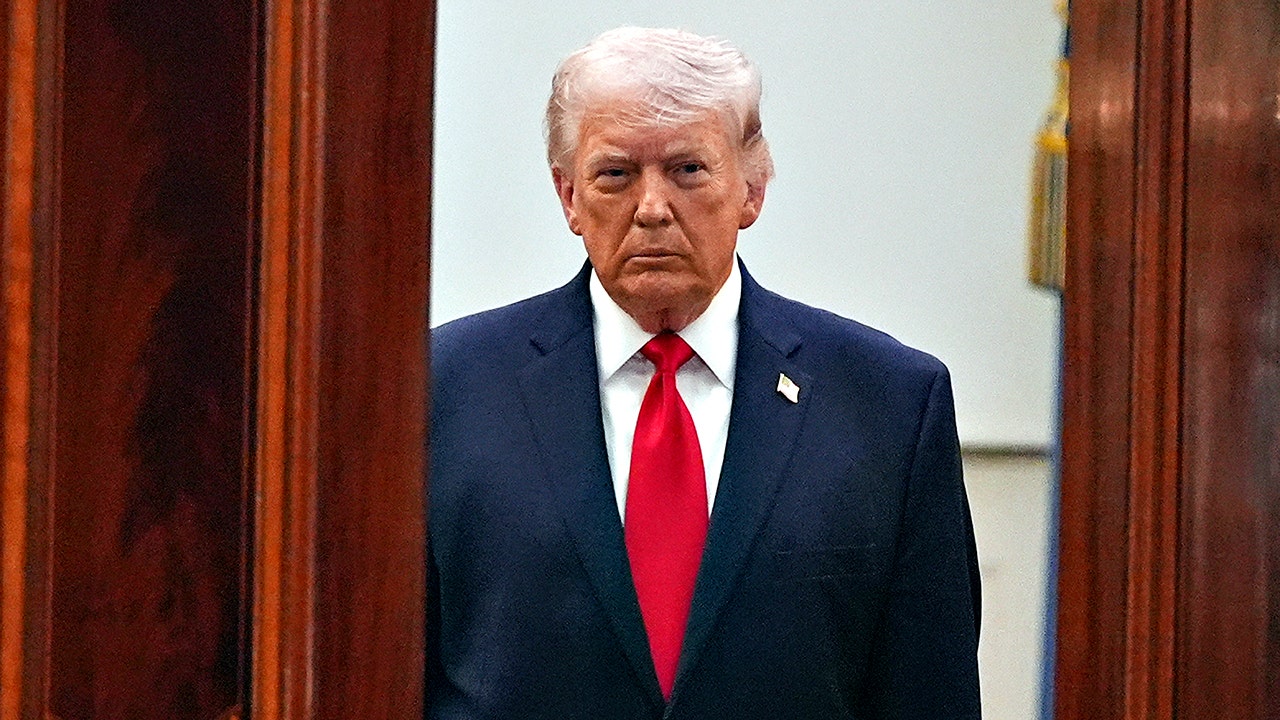
President Donald Trump criticized The New York Times' coverage of the Iran conflict on Truth Social, calling the paper's reporting "treasonous" and accusing it of publishing "fake & made up ‘facts.’" He said he would add the Times' recent analysis about the Iran war and an interim memorandum of understanding with Tehran to his existing $15 billion defamation lawsuit against media outlets. The Times article examined what changed after nearly four months of war and concluded officials still saw substantial threats from Iran. The White House defended the interim agreement as a diplomatic breakthrough, saying it reopened navigation in the Strait of Hormuz and restricted Iran's path to a nuclear weapon; Vice President J.D. Vance said negotiators secured commitments on inspections and a mechanism to keep the strait open. Trump also asserted on social media that Iran's military capabilities had been largely destroyed. Fox News Digital reported the exchanges and said it sought comment from The New York Times. The article notes Trump has previously settled lawsuits with other media companies tied to payments for his presidential library.
Biblical Reflection
This piece illustrates a clash between a political leader and a major news organization, combining charged rhetoric with a legal threat. From a Christian discernment perspective, three dynamics matter: first, the habitual use of hyperbolic language (labeling reporting "treasonous") risks conflating strong policy disagreement with moral or criminal culpability, which can damage truth-telling and reputations; second, using litigation or the threat of litigation against journalists raises concerns about chilling effects on a free press and the public's access to independent information; third, both political actors and media outlets can carry bias, so Christians should evaluate claims on evidence rather than partisan allegiance. The biblical virtues at stake are truth (verify claims), justice (protect fair process), and humility (avoid slander). Seeking facts, holding leaders and institutions accountable, and preserving the space for responsible journalism are all consistent with neighbor-love and the common good. Christians should resist tribal reflexes that automatically defend or condemn a party and instead pursue careful, charitable inquiry.
Scripture in context
This outlook does not yet include contextual Scripture citations. Do not treat a general biblical theme as an exegetical conclusion.
Faithful Response
No prescribed response is offered. Consider the reflection prompts below in your own church context.
Reflection and Discussion
- 1Does labeling critical reporting as 'treasonous' reflect proportionate moral language, or is it a rhetorical tactic that conflates disagreement with disloyalty?
- 2How should Christians weigh concerns about media bias against the importance of a free press for public accountability?
- 3When leaders threaten legal action against news outlets, what are the likely effects on public trust and the ability of citizens to access contested facts?
Sources
Reporting links are evidence inputs; Sanctuary News' biblical reflection is commentary.
This outlook currently relies on fewer than two linked sources. Broaden verification before teaching from it.
- 1.Original reportprimary