News Summary
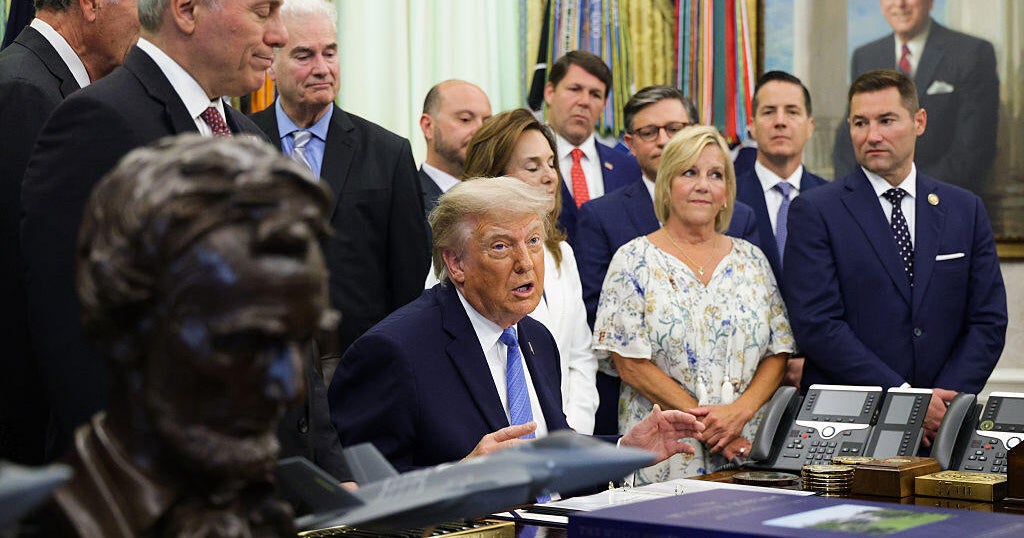
President Donald Trump signed into law the Secure America Act, a roughly $70 billion package to fund Immigration and Customs Enforcement (ICE) and portions of Customs and Border Protection (CBP) through the end of his term. The House approved the bill 214–212 after the Senate passed it following an extended vote series; the measure was advanced by Republicans using the budget reconciliation process. Democrats had sought reforms and delayed funding after two deadly federal-agent shootings in Minneapolis earlier in the year; negotiations collapsed and Republicans pursued the funding path without full bipartisan agreement. Internal GOP disputes removed about $1 billion initially proposed for Secret Service security tied to a White House East Wing renovation and led to the administration dropping a Justice Department “anti-weaponization” payouts plan after conservative opposition. Acting Attorney General Todd Blanche testified the DOJ would not proceed with the payouts, and the president has nominated him for attorney general. The signing ceremony featured Republican leaders and the president’s remarks framing the bill as support for ICE and Border Patrol and as part of restoring law and order.
Biblical Reflection
The article reports a concrete policy outcome that will materially affect federal immigration enforcement. Its language relies heavily on administration quotes that cast ICE and Border Patrol as "heroes," which reflects the administration's framing but does not explore the reforms Democrats sought or the concerns of migrants and civil-rights advocates. Christians seeking truth should note both facts reported (a law was passed, funds allocated, procedure used) and what the report omits: oversight provisions, accountability measures, and human-impact detail. Pastoral discernment calls us to hold together two responsibilities: support for legitimate public safety and law enforcement, and a prophetic concern for the dignity, due process, and safety of vulnerable persons (migrants, detainees, victims of agency misconduct). The use of reconciliation to bypass bipartisan appropriations highlights a partisan path to policy that may limit public deliberation and weaken shared responsibility; Christians should be wary of partisan triumphalism and push for transparent processes and accountability. In short: the action is legally authoritative and operationally significant, but moral assessment requires asking whether adequate safeguards, reforms, and care for the vulnerable accompany the new funding.
Scripture in context
This outlook does not yet include contextual Scripture citations. Do not treat a general biblical theme as an exegetical conclusion.
Faithful Response
No prescribed response is offered. Consider the reflection prompts below in your own church context.
Reflection and Discussion
- 1Whose human stories and oversight concerns are missing from this coverage, and how would including them change how you judge the policy?
- 2How does the path used to pass this funding (reconciliation and narrow votes) affect public accountability and trust in governing institutions?
- 3Does the article's reliance on administration language shape your view of enforcement as primarily heroic rather than also accountable to justice and compassion?
Sources
Reporting links are evidence inputs; Sanctuary News' biblical reflection is commentary.
This outlook currently relies on fewer than two linked sources. Broaden verification before teaching from it.
- 1.Original reportprimary