News Summary
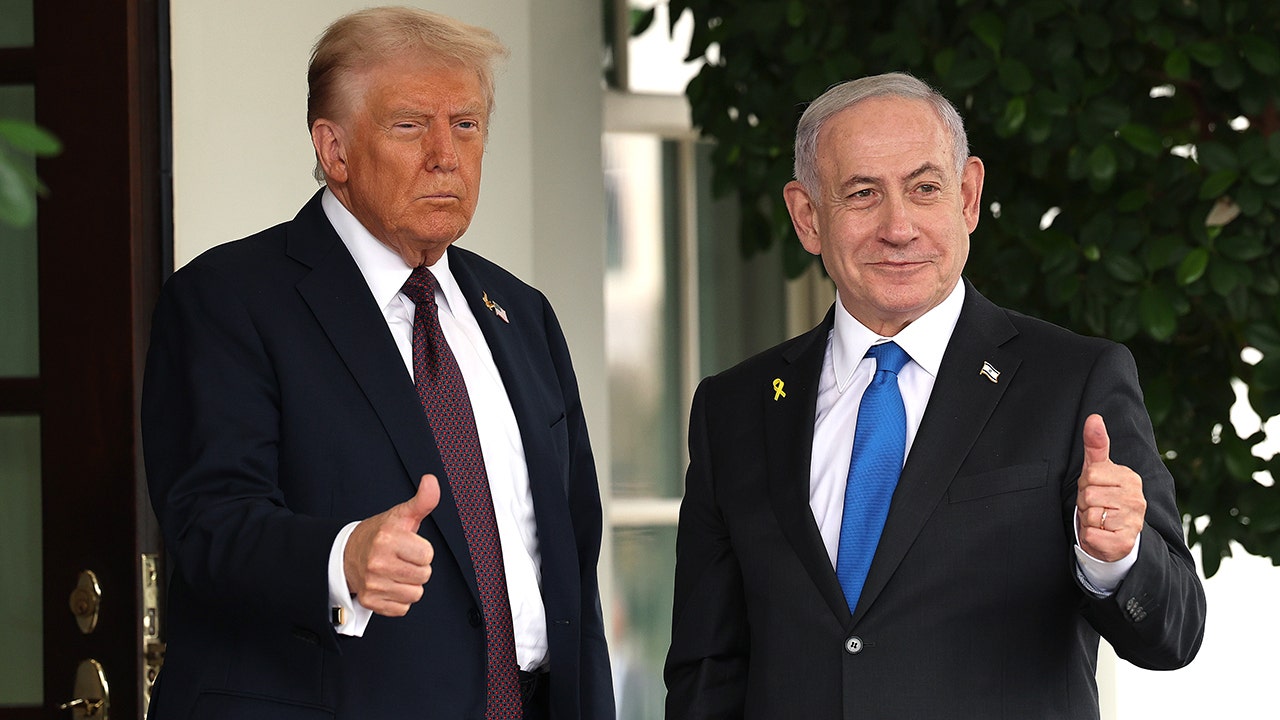
President Donald Trump told Israeli broadcaster KAN News that he likely would endorse Israeli Prime Minister Benjamin Netanyahu in Israel’s upcoming election but said he needs to "see who is running" and urged Netanyahu to be "more rational." Trump also suggested Netanyahu could take a "softer touch" in operations against Hezbollah in Lebanon. The article references earlier reporting that Trump privately called Netanyahu "f---ing crazy" over Israeli strikes in Lebanon, comments Trump later confirmed he made, while also saying he likes Netanyahu and works well with him. The piece notes ongoing U.S. diplomacy related to Iran and Lebanon, mentions Vice President J.D. Vance saying U.S. sanctions would remain if Iran funds terrorist groups, and quotes Netanyahu emphasizing his close relationship with Trump. Fox News Digital sought comment from the White House and the Israeli embassy.
Biblical Reflection
The article centers on personal politics and diplomatic posture more than on policy details. From a Christian perspective, the piece illustrates how political influence and personal relationships between leaders can shape international outcomes—sometimes in ways that emphasize personalities over prudential judgment or the protection of civilians. The reporting leans on sharp quotes and interpersonal tension, which can obscure the underlying policy stakes: U.S. influence on foreign elections, the human cost of military operations in border areas, and the moral responsibility of leaders to weigh security against restraint. Readers should note the article’s focus on dramatic language and interpersonal conflict (including reported expletives) rather than careful analysis of the concrete consequences for civilians in Lebanon or Israelis' security. Practically, Christian virtue calls for truth-telling about the risks of escalation, humility about the limits of any single nation’s wisdom, and compassion for noncombatants affected by military action. It is appropriate to be skeptical of coverage that privileges personality-driven drama over sober assessment of policy impacts, and to pray that leaders choose restraint and protection of the vulnerable alongside legitimate security concerns.
Scripture in context
This outlook does not yet include contextual Scripture citations. Do not treat a general biblical theme as an exegetical conclusion.
Faithful Response
No prescribed response is offered. Consider the reflection prompts below in your own church context.
Reflection and Discussion
- 1How does focusing on personal conflict between leaders change our view of the deeper policy choices and human costs at stake?
- 2When a foreign endorsement is dangled by a powerful country, whose interests are most likely to be advanced—and who might be left out of that calculus?
- 3Are we allowing dramatic rhetoric to replace careful questions about civilian safety, diplomatic alternatives, and long-term peace?
Sources
Reporting links are evidence inputs; Sanctuary News' biblical reflection is commentary.
This outlook currently relies on fewer than two linked sources. Broaden verification before teaching from it.
- 1.Original reportprimary