News Summary
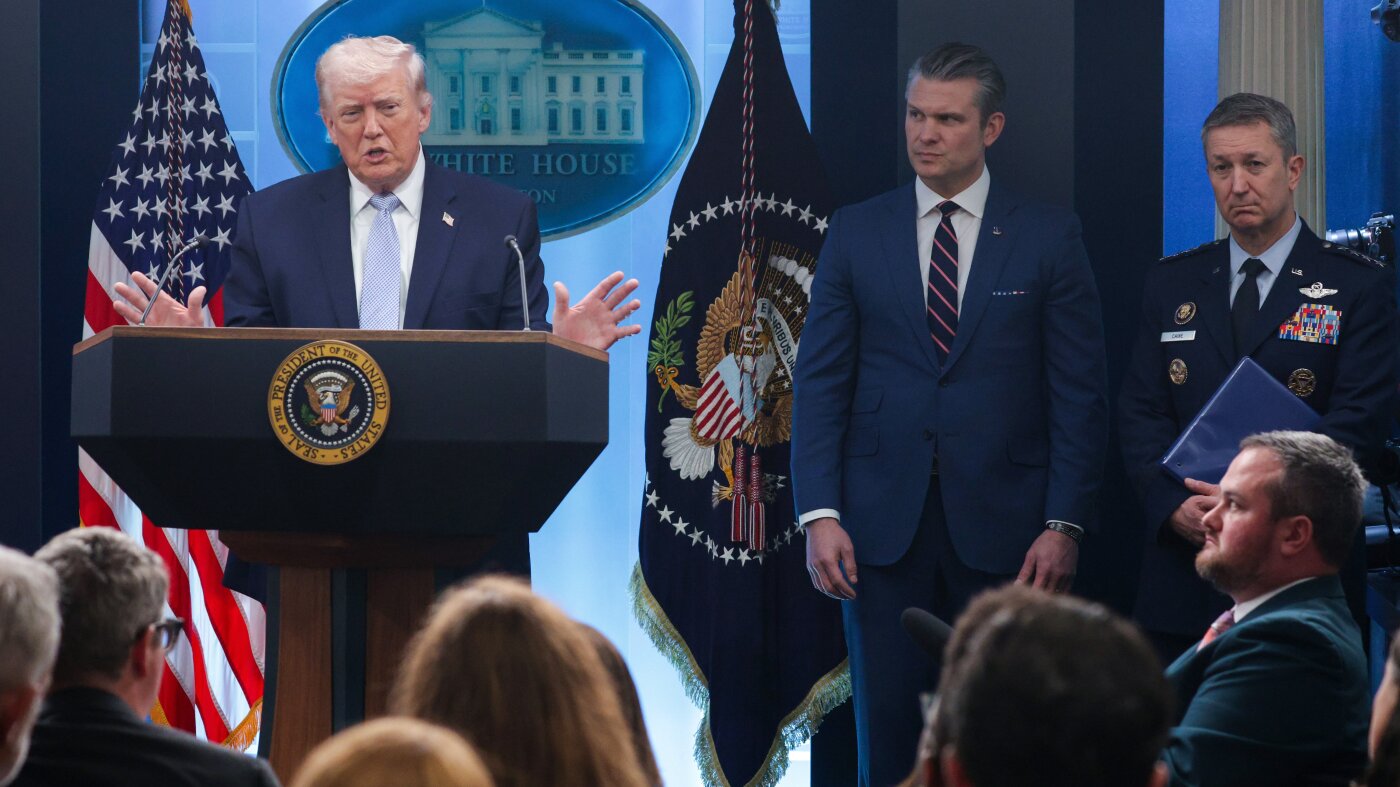
At a White House press conference, President Trump issued an ultimatum asking Iran to accept a deal that would include opening the Strait of Hormuz by 8:00 p.m. ET tonight, repeating threats to strike Iran's civilian infrastructure if it does not comply and saying Iran's next move will determine whether the conflict de-escalates or escalates. Separately, NASA's Artemis II crew began their return trip to Earth after a crewed lunar flyby that set a record for the farthest distance humans have traveled from Earth; the mission produced new lunar science and test-flight data for the Orion spacecraft. A JAMA Internal Medicine study reported that, in a survey of 168 patients seeking medication abortions, 88% of patients' self-assessments about candidacy for the medication matched clinicians' judgments, suggesting potential feasibility of over‑the‑counter abortion pills but noting further research and regulatory steps would be needed; many states have legal bans that would limit access. The newsletter also noted a shift in U.S. immigration enforcement toward a less visible model relying more on local police, and referenced an interview with JPMorgan CEO Jamie Dimon about economic and geopolitical risks.
Biblical Reflection
This briefing juxtaposes coercive statecraft and scientific achievement. The president's public deadline and threats frame international relations in terms of immediate leverage and potential violent escalation; such rhetoric raises urgent moral questions about the protection of civilians, the use of force, and the responsibilities of leadership to pursue peace. The Artemis II mission, by contrast, demonstrates cooperative, cumulative human inquiry and the pursuit of knowledge that benefits many. Christians should weigh both items by God-centered standards: political decisions should be judged by their pursuit of justice, protection of the innocent, and commitment to peace (not merely tactical advantage). Media summaries that pair militarized diplomacy with space accomplishments can normalize aggressive postures by balancing them with uplifting achievements, softening public response to threats. The abortion-pill study invites careful ethical discernment: clinical feasibility is not the only consideration—moral, legal, and pastoral concerns about unborn life and vulnerable patients remain. In all these areas, Scripture calls believers to be peacemakers, to seek truth, to care for the vulnerable, and to hold leaders accountable to the common good. Christians are reminded to pray for wisdom for leaders, to seek accurate information beyond headlines, and to advocate policies that protect life and pursue peace rather than celebrate might or technological triumph as moral justification.
Scripture in context
This outlook does not yet include contextual Scripture citations. Do not treat a general biblical theme as an exegetical conclusion.
Faithful Response
No prescribed response is offered. Consider the reflection prompts below in your own church context.
Reflection and Discussion
- 1What assumptions does the coverage make about the legitimacy of using force or public ultimatums to achieve diplomatic aims, and how would a Christian conception of peace and justice critique those assumptions?
- 2How does placing stories of military threats alongside scientific triumphs shape public appetite for risk and conflict—does it implicitly suggest that national glory offsets moral cost?
- 3When media present clinical or technological feasibility (for example, of over‑the‑counter abortion pills), what additional moral and pastoral questions should Christians insist on asking beyond safety and efficacy?
Sources
Reporting links are evidence inputs; Sanctuary News' biblical reflection is commentary.
This outlook currently relies on fewer than two linked sources. Broaden verification before teaching from it.
- 1.Original reportprimary