News Summary
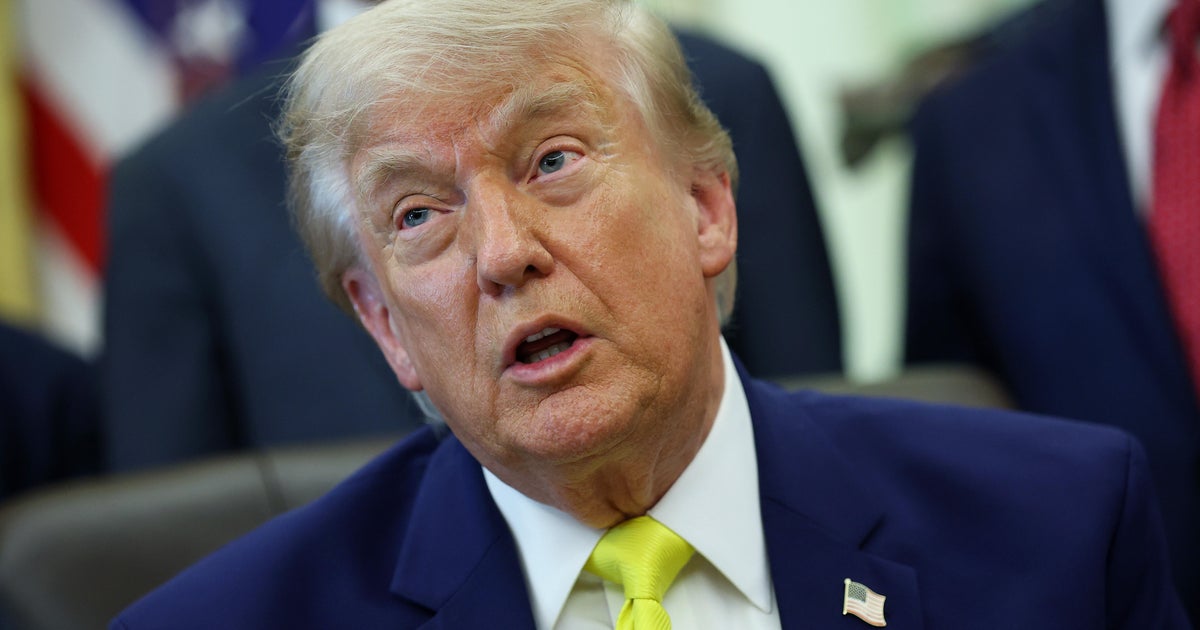
President Trump asked Congress for a short-term extension of Section 702 of the Foreign Intelligence Surveillance Act (FISA), which the article says is set to expire on Friday, to provide time to select and confirm a permanent director of national intelligence. Trump posted that FISA 702 is important for the military and public safety, mentioning upcoming events. Last week he named Bill Pulte, currently director of the Federal Housing Finance Agency, as acting director of national intelligence in advance of Tulsi Gabbard's planned departure later this month. Democrats and some Republicans have objected to Pulte’s appointment, citing his limited national security experience and previous criminal referrals he made alleging mortgage fraud by some of Trump’s political opponents. Several Democrats pledged to withhold support for reauthorizing Section 702 while Pulte is slated to assume ODNI control, even temporarily. Trump said he asked Pulte to implement immediate downsizing at ODNI when installed on June 19 while the administration searches for a permanent nominee. Senate Republican leaders encouraged the president to nominate a permanent intelligence director, with Majority Leader John Thune saying a permanent choice would help secure votes needed to reauthorize FISA 702. Trump met with House Speaker Mike Johnson twice at the White House prior to his public request to Congress.
Biblical Reflection
This report concerns a technical but consequential national-security authority and a contested personnel decision. Factually, the article reports statements and positions from the president, congressional leaders, and Democrats who oppose the acting appointment. Spiritually and pastorally, the situation raises perennial concerns about governance, trust, and the stewardship of institutions meant to protect the common good. Choosing leaders with relevant experience and integrity is important because intelligence powers affect many unseen lives; politicizing those choices or using institution-building as political leverage risks eroding public trust and harming the vulnerable the agencies exist to protect. At the same time, the need to preserve lawful tools that protect the nation is real. Christians should watch for two risks: (1) that short-term political advantage displaces sober judgment about competence and the rule of law, and (2) that refusal to act on either principle becomes purely partisan bargaining rather than responsible governance. The article largely presents competing claims without clear editorializing, but it also highlights how political loyalty and prior partisan actions (such as criminal referrals) can shape appointments and legislative bargaining. Christians are called to prize truth, humility, and the pursuit of peace; when political processes tempt leaders to substitute loyalty for competence or to weaponize oversight, believers should pray and speak for accountability, stewardship, and the protection of the common good.
Scripture in context
This outlook does not yet include contextual Scripture citations. Do not treat a general biblical theme as an exegetical conclusion.
Faithful Response
No prescribed response is offered. Consider the reflection prompts below in your own church context.
Reflection and Discussion
- 1Does the framing of urgency around a security authority risk short-circuiting careful vetting, or does withholding reauthorization risk public safety — how do you weigh those priorities?
- 2Are institutions being defended for their protective role or for the political power they confer, and how does that distinction affect public trust?
- 3How should Christians evaluate appointments when competence, accountability, and past partisan actions point in different directions?
Sources
Reporting links are evidence inputs; Sanctuary News' biblical reflection is commentary.
This outlook currently relies on fewer than two linked sources. Broaden verification before teaching from it.
- 1.Original reportprimary