News Summary
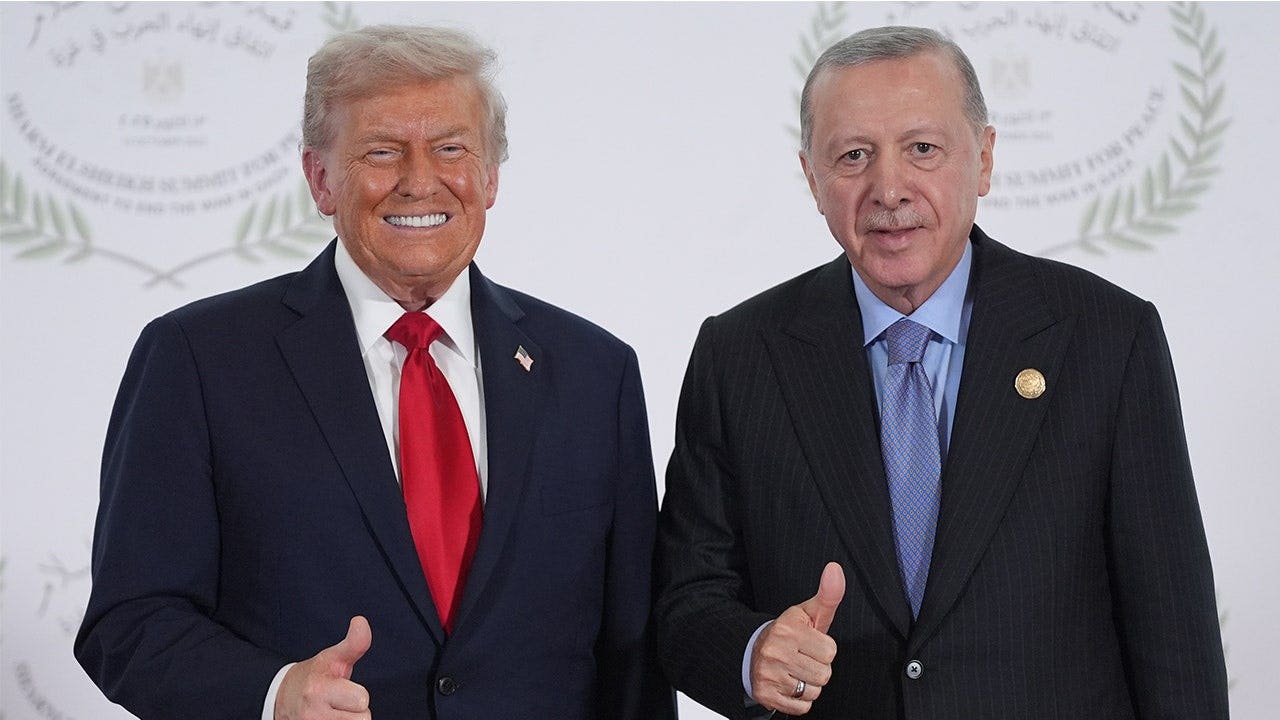
President Donald Trump said he is attending the NATO summit in Ankara to meet Turkish President Recep Tayyip Erdoğan and signaled interest in closer U.S.-Turkey defense cooperation. The Trump administration has proposed a roughly $700 million sale of F110 fighter engines to Turkey, drawing congressional questions and criticism over Turkey's continued possession of Russia’s S-400 air defense system and other policy differences. The article recounts Turkey’s 2019 S-400 purchase, its subsequent expulsion from the F-35 program and 2020 sanctions, while noting Turkey’s growing strategic importance to NATO because of its large military, control of the Bosporus and Dardanelles, proximity to Syria, Iraq and Iran, and contributions such as Bayraktar drones to Ukraine. Analysts quoted argue Turkey is essential for NATO’s posture in Eurasia and the Black Sea; critics point to Turkey’s support for Hamas, outreach to non-Western blocs like BRICS and the Shanghai Cooperation Organization, and unresolved technical/security concerns about operating S-400s alongside U.S. technology. The administration plans a bilateral meeting between Trump and Erdoğan at the summit; congressional opposition—especially from Democrats—has questioned whether the State Department has adequately justified the arms sale.
Biblical Reflection
This story highlights a familiar tension in foreign policy between strategic necessity and moral/ethical concerns. Strategically, Turkey’s geography, military capacity and recent actions in Ukraine and Syria make it a consequential partner for any NATO-focused policy; pragmatism and alliance cohesion can require engagement even with governments that challenge allied norms. At the same time, the article surfaces unresolved red flags: Turkey’s procurement of the S-400, relationships with Russia and non-Western blocs, and public positions on groups like Hamas raise legitimate security and human-rights questions. The piece leans toward a realist framing—personal chemistry between leaders and hard-power contributions drive policy—while giving limited space to critiques about democratic norms, human rights, or the potential risks of reversing punitive measures. From a Christian pastoral perspective, discernment is required: prudence counsels evaluating concrete security benefits, but justice and neighbor-love demand accountability for actions that harm innocents or undermine collective security. The accountability role of Congress and transparent institutional processes matter here; personal rapport between leaders should not substitute for rigorous oversight, clear criteria, and ethical consistency. Christians are called to pray for peace and stability, to care for vulnerable people affected by conflict, and to insist that national security choices reflect both wisdom and moral responsibility.
Scripture in context
This outlook does not yet include contextual Scripture citations. Do not treat a general biblical theme as an exegetical conclusion.
Faithful Response
No prescribed response is offered. Consider the reflection prompts below in your own church context.
Reflection and Discussion
- 1Are strategic advantages and personal relationships being weighed more heavily than consistent commitments to human rights and allied trust?
- 2Who within our system is best placed to inspect and restrain risky arms or security arrangements: the executive, the legislature, or international partners?
- 3Does framing the relationship primarily as a matter of capability obscure the long-term costs of aligning with leaders whose policies diverge from shared values?
Sources
Reporting links are evidence inputs; Sanctuary News' biblical reflection is commentary.
This outlook currently relies on fewer than two linked sources. Broaden verification before teaching from it.
- 1.Original reportprimary