News Summary
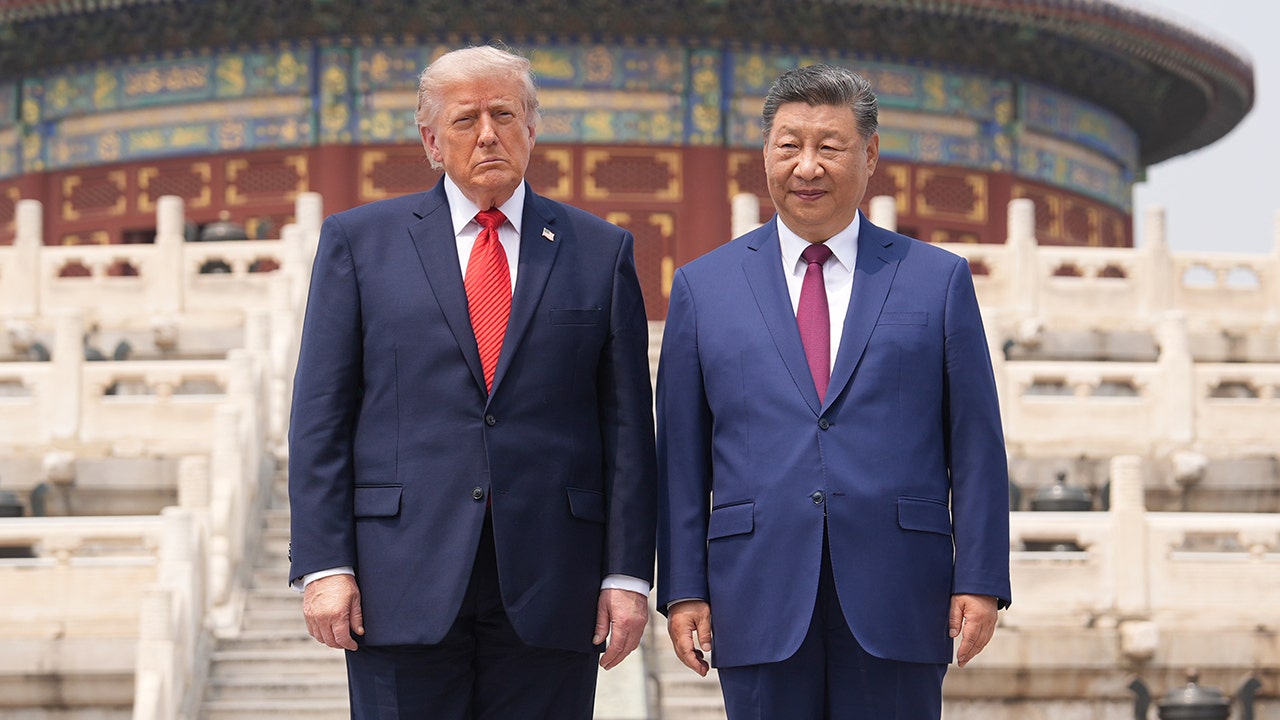
In a Fox News interview, President Donald Trump said Chinese President Xi Jinping told him that China "is not going to give military equipment" to Iran and that Xi offered to help end the conflict. Trump repeated the claim twice and characterized Xi's statement as strong; the White House and the Chinese Embassy did not immediately respond to Fox News' requests for comment. The article notes U.S. officials' prior accusations that China has supported Iran economically and materially—through oil purchases, dual-use exports, and intermediary networks—and cites Reuters figures that China imports roughly $31–32 billion of Iranian crude annually. The piece also reports that China earlier invoked a 2021 “blocking statute” ordering firms to ignore certain U.S. sanctions on Iranian oil. Trump said he expects a deal for China to buy U.S. oil, that Chinese ships may go to U.S. Gulf ports, and that the leaders met for a bilateral session at Zhongnanhai. Fox News reporters authored the story and attributed the quoted claims to Trump; independent confirmation from Chinese officials was not included. The article links the summit remarks to market movement, noting a spike in oil prices following Trump’s comments.
Biblical Reflection
Key point: the article reports a high-stakes diplomatic claim delivered by one party (President Trump) through a sympathetic media outlet, but lacks independent confirmation from Chinese officials. As Christians seeking truth, we should note the difference between a leader’s public assertion and verified policy change. Politically, such statements can calm or inflame markets and public opinion regardless of their accuracy. Spiritually and morally, this story raises several considerations: leaders and media have incentives to present diplomatic wins; unilateral claims should be tested by follow-up reporting and official statements. The Bible repeatedly calls believers to pursue truth, to promote peace, and to beware of misplaced trust in human power (e.g., Proverbs and Jesus’ teachings). If Xi did pledge to withhold military equipment, it would be a de-escalatory step consistent with peacemaking; if the pledge is political signal or rhetorical, relying on it alone risks false security. Christians should therefore pray for genuine restraint by nations, advocate for policies that protect the vulnerable, and use careful discernment when interpreting political messaging. Finally, remember that economic ties with repressive or violent regimes raise ethical questions about complicity and the trade-offs between stability, commerce, and justice. Evaluate policy claims on their evidence and on whether they advance real peace and the protection of innocent life.
Scripture in context
This outlook does not yet include contextual Scripture citations. Do not treat a general biblical theme as an exegetical conclusion.
Faithful Response
No prescribed response is offered. Consider the reflection prompts below in your own church context.
Reflection and Discussion
- 1Is the report conveying a confirmed policy commitment from China or a unilateral claim by a political leader reported on a sympathetic platform? What further sources would you look for to verify it?
- 2What incentives might shape how this meeting and its outcomes are framed (political advantage, market effects, diplomatic signaling), and how should that affect your trust in the narrative?
- 3Beyond public statements, what concrete actions (e.g., verified export restrictions, enforcement steps, multilateral monitoring) would demonstrate genuine restraint and align with the biblical call to pursue peace?
Sources
Reporting links are evidence inputs; Sanctuary News' biblical reflection is commentary.
This outlook currently relies on fewer than two linked sources. Broaden verification before teaching from it.
- 1.Original reportprimary