News Summary
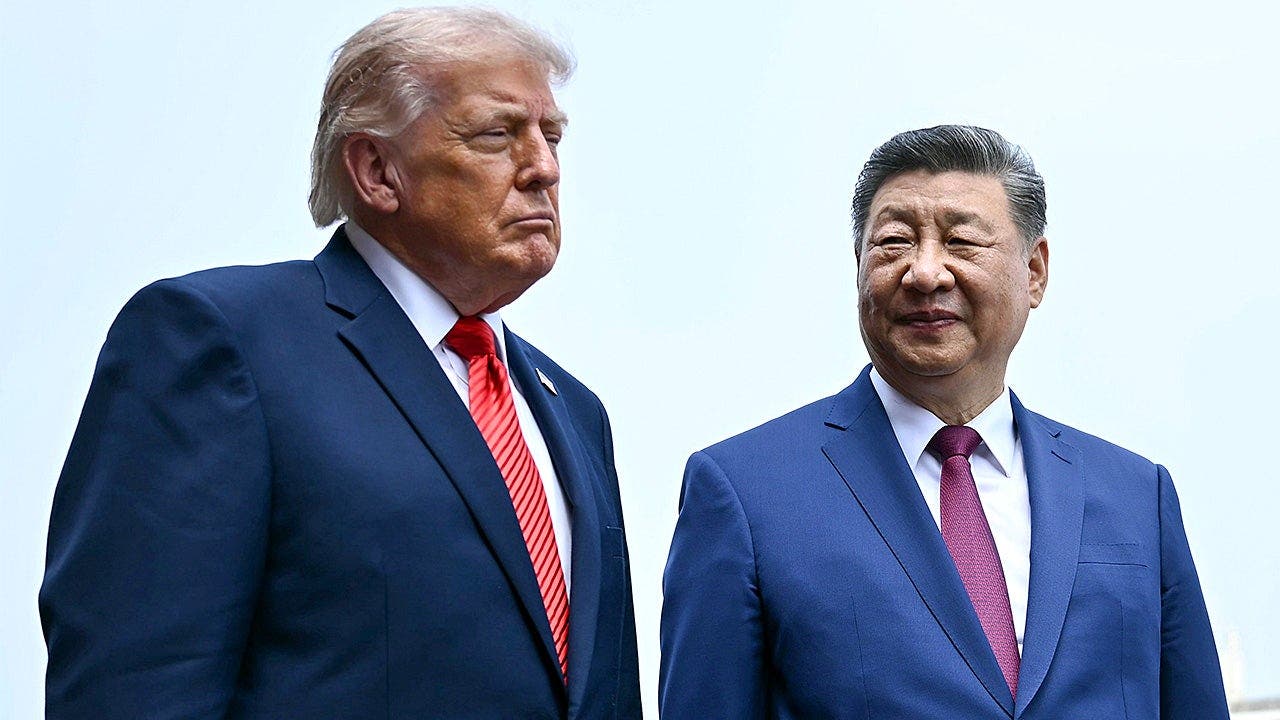
At a May 2026 summit in Beijing, President Donald Trump met with Chinese President Xi Jinping. In an interview following the meetings, Trump warned that Taiwan should not expect unconditional U.S. military intervention if it were to take steps that trigger conflict, saying U.S. policy toward Taiwan has not changed and that he does not want the U.S. to fight a war across the Pacific. Trump declined to commit to approving a previously lawmaker-approved $14 billion U.S. arms package for Taiwan, saying "I may do it. I may not do it." Chinese officials, citing Xi, warned that mishandling the Taiwan issue could lead to clashes or conflict between the U.S. and China. The article also reports Trump asked Xi to consider releasing Hong Kong media mogul Jimmy Lai, but said the response was not optimistic. Experts quoted in the article emphasized Taiwan’s strategic and economic importance, especially for global shipping, and urged careful diplomacy to maintain regional stability.
Biblical Reflection
This report highlights a realist, interest-driven approach to foreign policy: leaders weighing the risks and costs of military commitments against strategic priorities and the desire to avoid direct conflict. The article is largely descriptive of statements made by the principals, but its focus (including experts’ emphasis on economic and strategic importance) frames Taiwan primarily as a geopolitical asset, which can obscure moral and human dimensions—such as the agency and security of the Taiwanese people and the human rights concerns raised by prisoners like Jimmy Lai. From a Christian perspective, leaders are called both to pursue peace (Matthew 5:9) and to defend the vulnerable and uphold justice (Isaiah 1:17; Proverbs 31:8–9). Prudential caution and de-escalation are legitimate aims; so is solidarity with those facing oppression. Media coverage that centers strategic calculations without naming the human stakes can subtly normalize realpolitik at the expense of moral accountability. Christians should therefore read such reporting with discernment: recognize the legitimate need for wise, prudent diplomacy while also asking whether policy decisions honor justice, protect the vulnerable, and witness to truth. Pray for leaders to have the wisdom to avert war, the courage to protect the oppressed, and the humility to weigh long-term moral consequences alongside short-term strategic gains.
Scripture in context
This outlook does not yet include contextual Scripture citations. Do not treat a general biblical theme as an exegetical conclusion.
Faithful Response
No prescribed response is offered. Consider the reflection prompts below in your own church context.
Reflection and Discussion
- 1Whose interests are centered in the article’s framing—strategic/economic actors or the people most directly affected (Taiwanese citizens, political prisoners)?
- 2Does the language of 'not a blank check' reflect a necessary prudence or a shifting of moral responsibility? How should Christians weigh prudence against obligations to justice and protection?
- 3How does portraying international disputes primarily as geopolitical calculations shape public appetite for moral accountability in foreign policy?
Sources
Reporting links are evidence inputs; Sanctuary News' biblical reflection is commentary.
This outlook currently relies on fewer than two linked sources. Broaden verification before teaching from it.
- 1.Original reportprimary