News Summary
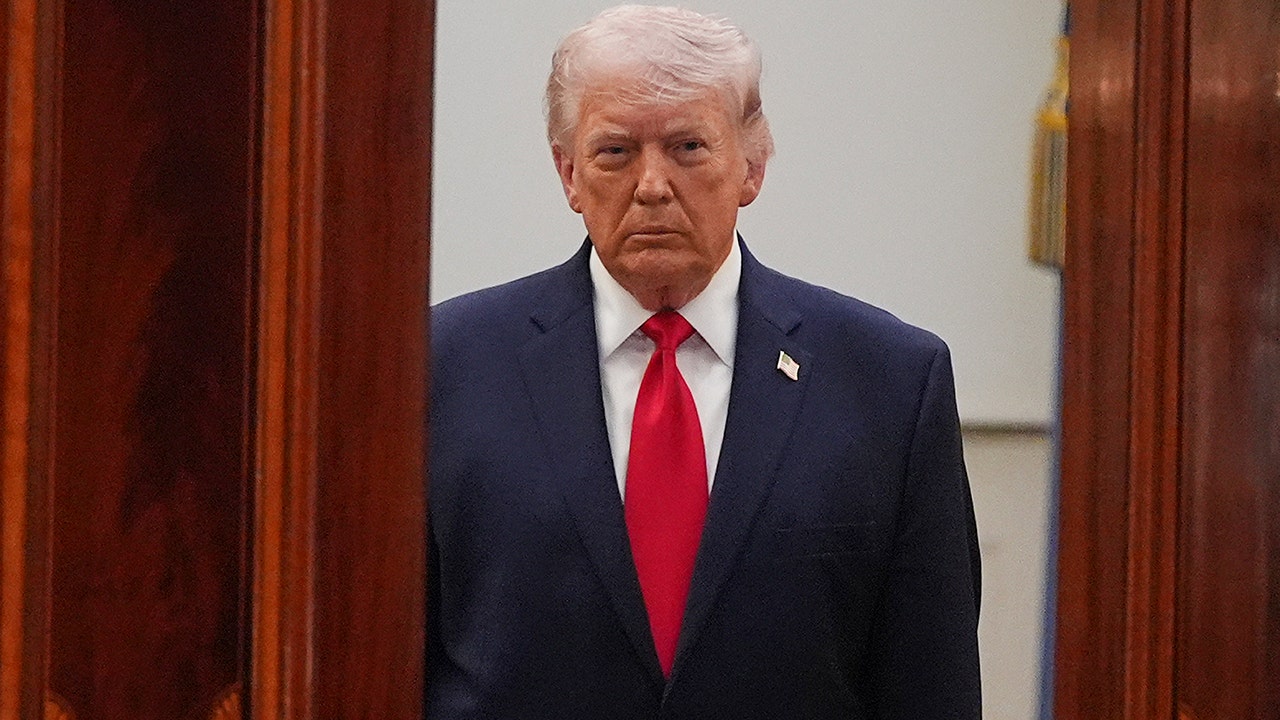
On a New York Post podcast, President Donald Trump said Iran had "already agreed" not to possess a nuclear weapon, while acknowledging Tehran could change its mind. He repeated that assertion when pressed by the host. The article also addressed reporting that Trump used coarse language with Israeli Prime Minister Benjamin Netanyahu; Trump said he was "perturbed" with Netanyahu's actions but denied being angry and defended their working relationship. The White House is portrayed as maintaining that talks with Iran are ongoing; Trump posted on Truth Social that conversations continued in recent days and urged Iran to "make a Deal." The story is a report of the president's statements and reactions, and does not present independent verification that Iran has formally agreed to forswear a nuclear weapon.
Biblical Reflection
From a Christian perspective, this item mixes diplomatic claims with political posture. The president's statement — that Iran has "already agreed" not to have a nuclear weapon — is presented as fact in the article but rests on his assertion without independent documentation in the piece. Christians called to truth should be cautious about accepting unilateral political claims at face value, especially on matters that affect life and peace. At the same time, the desire to prevent nuclear proliferation and protect neighbors reflects legitimate concerns for justice and the preservation of life. The article also demonstrates common political dynamics: rhetorical emphasis to strengthen negotiating leverage, casual language in informal interviews, and media framing that can amplify certainty beyond what evidence supports. Pastoral discernment asks us to weigh the value of firm diplomacy and the need for truthful communication. We should promote humility in leadership, insist on verifiable facts, and pray for policies that pursue peace and protect the vulnerable on all sides. Beware of narratives that provide premature reassurance or that unnecessarily inflame tensions; both can harm opportunities for wise, peaceful resolution.
Scripture in context
This outlook does not yet include contextual Scripture citations. Do not treat a general biblical theme as an exegetical conclusion.
Faithful Response
No prescribed response is offered. Consider the reflection prompts below in your own church context.
Reflection and Discussion
- 1What independent evidence would you need to accept a claim that a foreign government has formally renounced a nuclear weapon?
- 2Who benefits politically or strategically from framing a negotiation as already successful, and how might that framing affect prospects for honest diplomacy?
- 3How does the tone and setting of a political remark (podcast interview, social post) change how seriously we should treat it as policy or fact?
Sources
Reporting links are evidence inputs; Sanctuary News' biblical reflection is commentary.
This outlook currently relies on fewer than two linked sources. Broaden verification before teaching from it.
- 1.Original reportprimary