News Summary
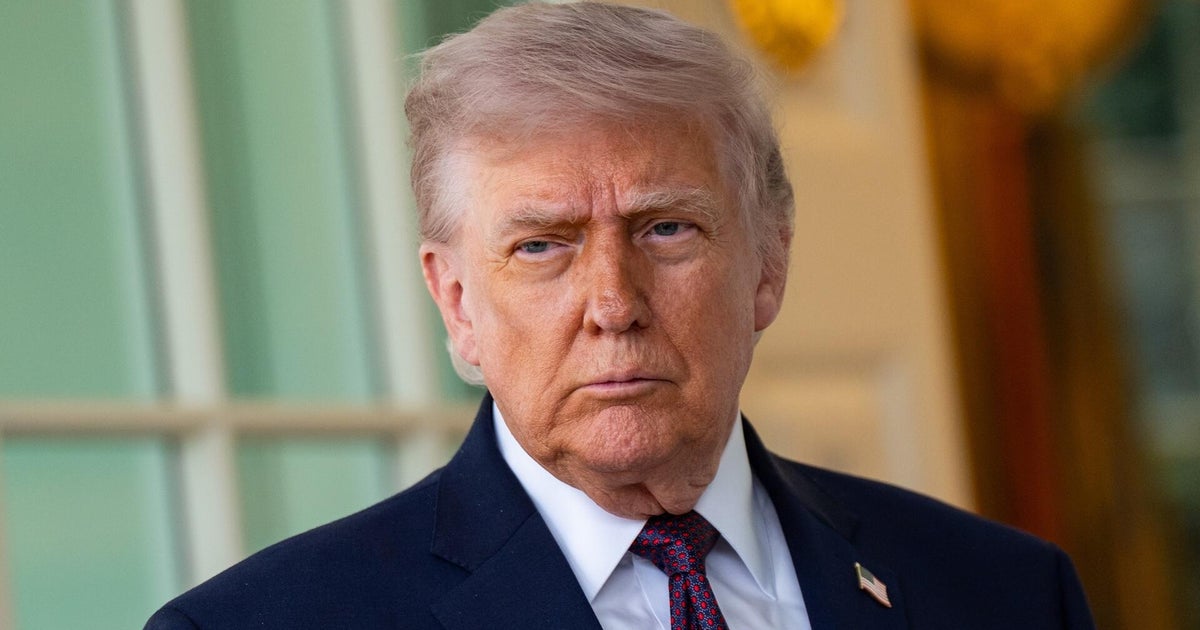
On April 17, 2026, President Donald Trump told CBS News in a telephone interview that Iran had "agreed to everything," including cooperating with the United States to remove Iran's enriched uranium. He said U.S. ground troops would not be used and that "our people, together with the Iranians, are going to work together to go get it" and that the material would be brought to the United States. Trump also said Tehran had agreed to stop backing proxy groups such as Hezbollah and Hamas, and that the U.S. blockade would remain in place until a deal was reached. Within hours, Iran's foreign ministry spokesperson issued a statement (in translation) saying enriched uranium is "as sacred to us as Iranian soil and will not be transferred anywhere under any circumstances," and that transferring uranium to the United States "has not been an option." Axios previously reported U.S. officials had discussed the possible release of roughly $20 billion in frozen Iranian assets in exchange for Iran's nuclear stockpile; Trump denied any payment, saying "No, we are not paying 10 cents." The article reports the contrasting public statements from the U.S. president and Iranian officials and notes ongoing negotiations and a U.S. blockade tied to the dispute.
Biblical Reflection
This report presents an immediate contradiction between a U.S. presidential claim of agreement and an Iranian government denial. From a Christian perspective, several concerns and reminders arise: first, truthfulness matters. Public assertions by leaders shape national mood, risk misinforming the public, and can escalate tensions; Christians are called to seek and speak the truth (Ephesians 4:25). Second, peacemaking and protecting the innocent are biblical priorities (Matthew 5:9; Proverbs 31:8–9); negotiations over weapons-grade material and proxy violence involve lives across the region and should be pursued with sober responsibility, transparency where possible, and care for the vulnerable. Third, be alert to political posturing: administrations may emphasize diplomatic victories, while adversaries may posture for domestic audiences; both can produce conflicting public messages that obscure the facts. Finally, Christians should avoid reflexive partisanship that substitutes loyalty to a party or leader for allegiance to God’s truth and justice. Pray for wise, honest diplomacy that seeks genuine reduction of threats and relief for suffering people rather than rhetorical wins. Maintain charitable caution—hold leaders accountable, demand clarity, and advocate for policies that protect life and seek lasting peace.
Scripture in context
This outlook does not yet include contextual Scripture citations. Do not treat a general biblical theme as an exegetical conclusion.
Faithful Response
No prescribed response is offered. Consider the reflection prompts below in your own church context.
Reflection and Discussion
- 1What explanations could account for the clear public contradiction between the U.S. president’s statement and Iran’s foreign ministry, and which sources should I check to evaluate which is accurate?
- 2In disputes involving national security and negotiating leverage, how does political messaging serve domestic audiences differently from the needs of honest diplomacy and the protection of civilian life?
- 3Amid conflicting official statements, how can Christians responsibly balance prayerful hope for peace with a demand for transparency and accountability from leaders?
Sources
Reporting links are evidence inputs; Sanctuary News' biblical reflection is commentary.
This outlook currently relies on fewer than two linked sources. Broaden verification before teaching from it.
- 1.Original reportprimary