News Summary
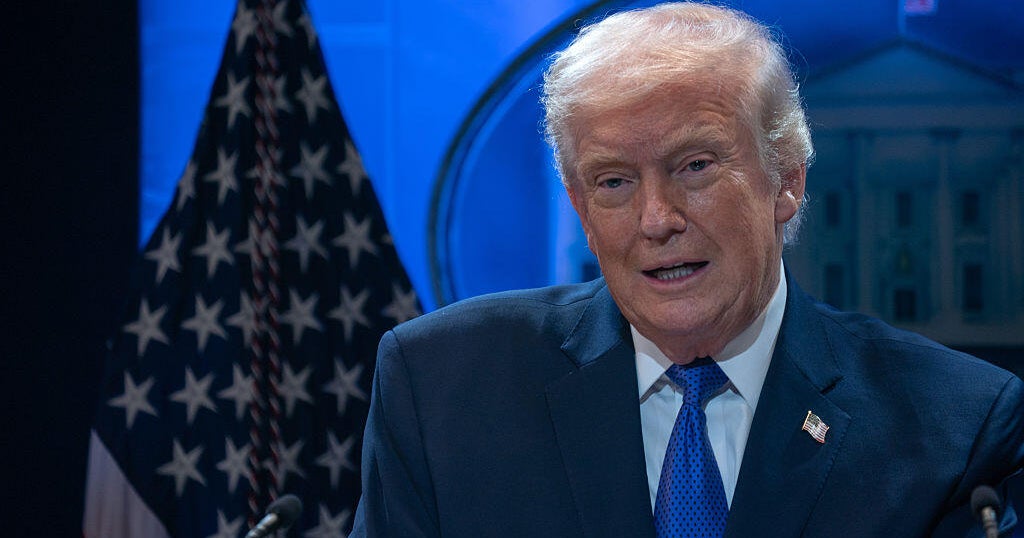
President Trump has announced, via social media, his intention to increase global tariffs on foreign imports to 15%, up from the 10% he imposed the previous day. This move follows a Supreme Court decision that struck down a set of sweeping global tariffs previously enacted under the International Emergency Economic Powers Act (IEEPA), ruling that this law cannot be used to impose such tariffs. In response, Trump utilized Section 122 of the Trade Act of 1974, which allows for tariffs up to 15% for 150 days in response to serious balance-of-payment issues. Trump’s actions bypass Congress and may face further legal challenges. He criticized the Supreme Court decision and personally attacked justices who ruled against him, while praising dissenting justices. The new tariffs are set to take effect on February 24. Trump also signaled intentions to pursue additional tariffs through other legal mechanisms.
Biblical Reflection
From a scriptural perspective, this story raises questions about leadership, the use of power, and the tone of public discourse. The Bible calls leaders to act with humility, wisdom, and a spirit of service (Matthew 20:26-28). Resorting to personal attacks against judges, even when disagreeing, falls short of the biblical call to 'speak the truth in love' (Ephesians 4:15) and to respect those in authority, even when in disagreement (Romans 13:1-7). On the matter of economic policy, the Bible does not prescribe specific trade policies but does call for justice, fairness, and concern for the well-being of all people, including foreigners (Leviticus 19:33-34). The rhetoric of antagonism and national pride can easily drift toward divisiveness and self-interest, contrary to Christ’s teaching to love our neighbor. Christians are reminded to pray for leaders (1 Timothy 2:1-2), seek peace, and advocate for policies characterized by wisdom, humility, and justice.
Scripture in context
This outlook does not yet include contextual Scripture citations. Do not treat a general biblical theme as an exegetical conclusion.
Faithful Response
No prescribed response is offered. Consider the reflection prompts below in your own church context.
Reflection and Discussion
- 1How can Christians model respectful dialogue, even when they disagree with political leaders or decisions?
- 2In what ways can pride or anger undermine wise and just leadership?
- 3How might national policies reflect or contradict biblical values of justice, humility, and care for others?
Sources
Reporting links are evidence inputs; Sanctuary News' biblical reflection is commentary.
This outlook currently relies on fewer than two linked sources. Broaden verification before teaching from it.
- 1.Original reportprimary