News Summary
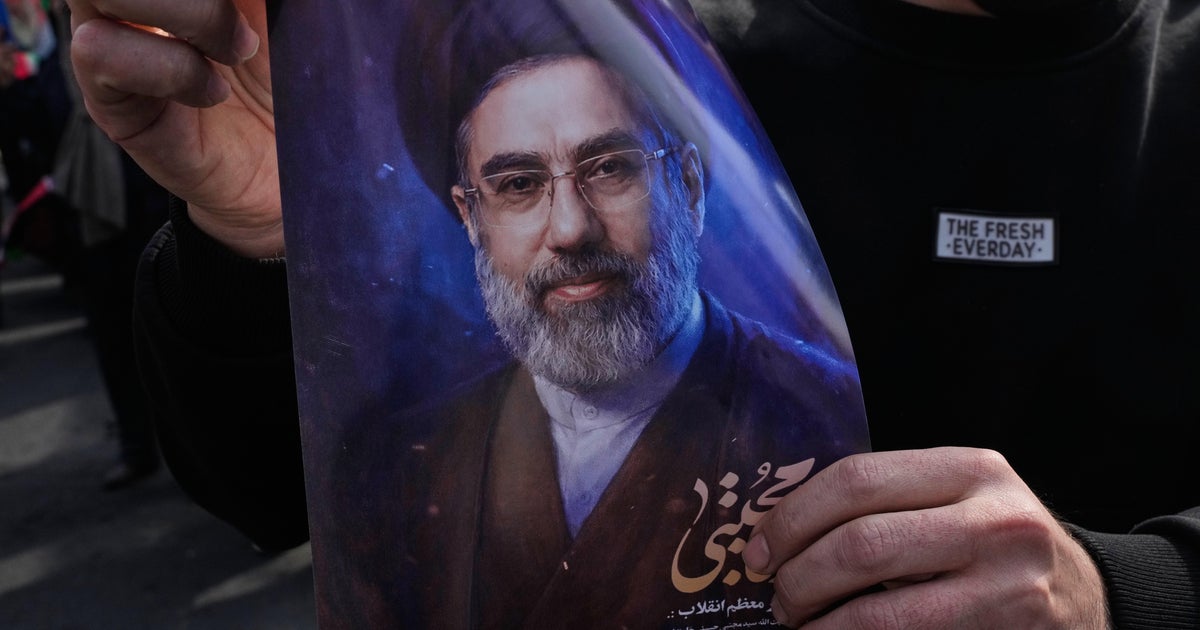
President Trump told Fox News he is "not happy" that Mojtaba Khamenei was named Iran's new supreme leader after the death of his father, Ali Khamenei, reportedly on the first day of the war. Trump has previously called Mojtaba a "lightweight" and said he expects the United States to be involved in approving Iran's next leader, comparing that expected involvement to U.S. actions in Venezuela. He expressed concern that U.S. intervention could result in a leader "as bad as the previous person," and warned that a successor "won't last long" without U.S. approval. Mojtaba Khamenei, 57, is described as having worked behind the scenes and having close ties to the Islamic Revolutionary Guard Corps (IRGC). The president made these remarks in interviews with Fox & Friends, Axios, and ABC News in the days before and after the announcement of the appointment.
Biblical Reflection
Scripturally considered, this story raises questions about human authority, national power, humility, and the Christian call to seek peace and justice. The president's insistence that the U.S. must "approve" another nation's leader reflects a posture of worldly sovereignty and realpolitik. Scripture reminds Christians that ultimate sovereignty belongs to God (who raises up and puts down leaders), and also calls believers to pray for rulers and seek the common good (see 1 Timothy 2:1-2). There is a biblical tension here: Romans 13 affirms the role of governing authorities for order, yet the prophets and Jesus warn against pride, violence, and relying on brute power rather than justice and mercy.
A Christian response should therefore include: sober discernment about the moral implications of intervention (are actions aimed at justice and the protection of innocents, or at domination and pride?), humility about claiming the right to determine foreign leadership, and a priority on peacemaking and the protection of life. We must pray for wisdom for leaders, advocate for policies consistent with justice and the protection of the vulnerable, and resist nationalist triumphalism. When leaders speak of removing or installing rulers, the church should ask whether such plans honor God’s commands to love enemies (Matthew 5:44), pursue justice (Micah 6:8), and act with humility rather than vengeance (Romans 12:17-21).
Scripture in context
This outlook does not yet include contextual Scripture citations. Do not treat a general biblical theme as an exegetical conclusion.
Faithful Response
No prescribed response is offered. Consider the reflection prompts below in your own church context.
Reflection and Discussion
- 1Am I trusting in national power or in God's justice and sovereignty when I respond to news about foreign leaders?
- 2How can I pray and act as a peacemaker in light of tensions between nations?
- 3When political leaders speak of forcibly reshaping other countries' leadership, what biblical principles should guide my evaluation and response?
Sources
Reporting links are evidence inputs; Sanctuary News' biblical reflection is commentary.
This outlook currently relies on fewer than two linked sources. Broaden verification before teaching from it.
- 1.Original reportprimary