News Summary
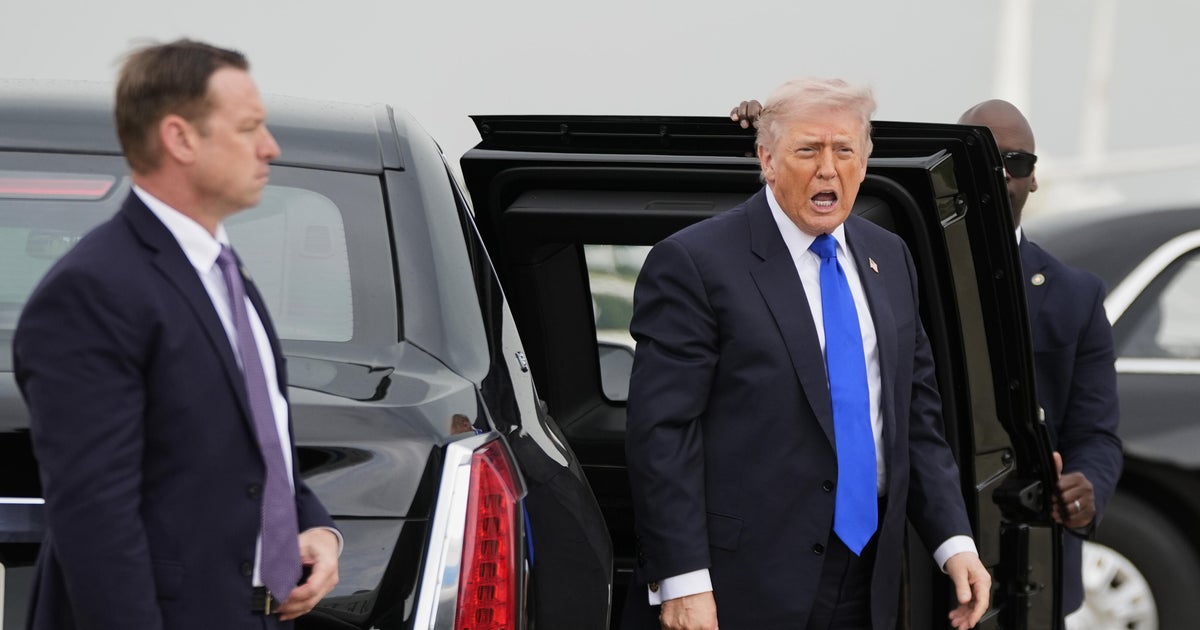
President Donald Trump announced on Truth Social that he cancelled plans for U.S. envoys Jared Kushner and Steve Witkoff to travel to Islamabad, Pakistan, to meet with Iranian representatives. Trump said the trip was cancelled because of time spent traveling and what he described as "tremendous infighting and confusion" within Iran's leadership, and added, "we have all the cards." White House press secretary Karoline Leavitt had previously said the duo would go to Islamabad for "direct talks" toward a lasting peace deal more than 50 days after U.S. and Israeli strikes on Iran began. Iranian Foreign Minister Abbas Araghchi was in Islamabad and met Pakistan’s prime minister before departing for Oman; Pakistan has been serving as an intermediary. The report notes ongoing disruptions to shipping through the Strait of Hormuz, higher oil prices, and rising U.S. inflation. A U.S. blockade of Iranian ports and vessels remains in place, and Defense Secretary Pete Hegseth said it would continue "as long as it takes," indicating the administration is not in a rush to reach a peace deal. In Iran, President Masoud Pezeshkian urged citizens to reduce electricity use after strikes damaged energy infrastructure.
Biblical Reflection
This article reports a high-stakes diplomatic decision framed through a posture of leverage and control. From a Christian perspective, several spiritual and ethical questions arise. First, the rhetoric of having "all the cards" emphasizes power and bargaining position rather than peacemaking or care for noncombatants; Scripture calls believers to pursue peace and to weigh humility and wisdom alongside prudence (Matthew 5:9; Philippians 2:3). Second, the report highlights intermediaries (Pakistan) and back-channel diplomacy, reminding Christians that complex conflicts often require patient, discreet negotiation—something at odds with transactional or performative messaging. Third, the piece foregrounds operational details (blockades, strikes, timeline control) but mentions only briefly the humanitarian effects (infrastructure damage, energy shortages, economic disruption). A faithful Christian reading should ask whether policy decisions and public messaging adequately consider the protection of civilians, the relief of suffering, and truthful representation of facts. Finally, be cautious about accepting assertions of internal confusion on the other side or claims of total leverage without independent verification; such claims can be rhetorical tools meant to shape public perception. Pray for leaders to be wise and just, for negotiators to seek genuine peace, and for compassion toward those suffering as a result of the conflict.
Scripture in context
This outlook does not yet include contextual Scripture citations. Do not treat a general biblical theme as an exegetical conclusion.
Faithful Response
No prescribed response is offered. Consider the reflection prompts below in your own church context.
Reflection and Discussion
- 1Whose perspective is centered by the article's framing—those with power or those who bear the war's burdens—and what might be missing as a result?
- 2Does the rhetoric of absolute leverage ('we have all the cards') reflect biblical virtues of humility and peacemaking, or does it prioritize power over reconciliation?
- 3What human costs (civilian hardship, economic suffering) deserve more attention when leaders emphasize timelines and control in matters of war and diplomacy?
Sources
Reporting links are evidence inputs; Sanctuary News' biblical reflection is commentary.
This outlook currently relies on fewer than two linked sources. Broaden verification before teaching from it.
- 1.Original reportprimary