News Summary
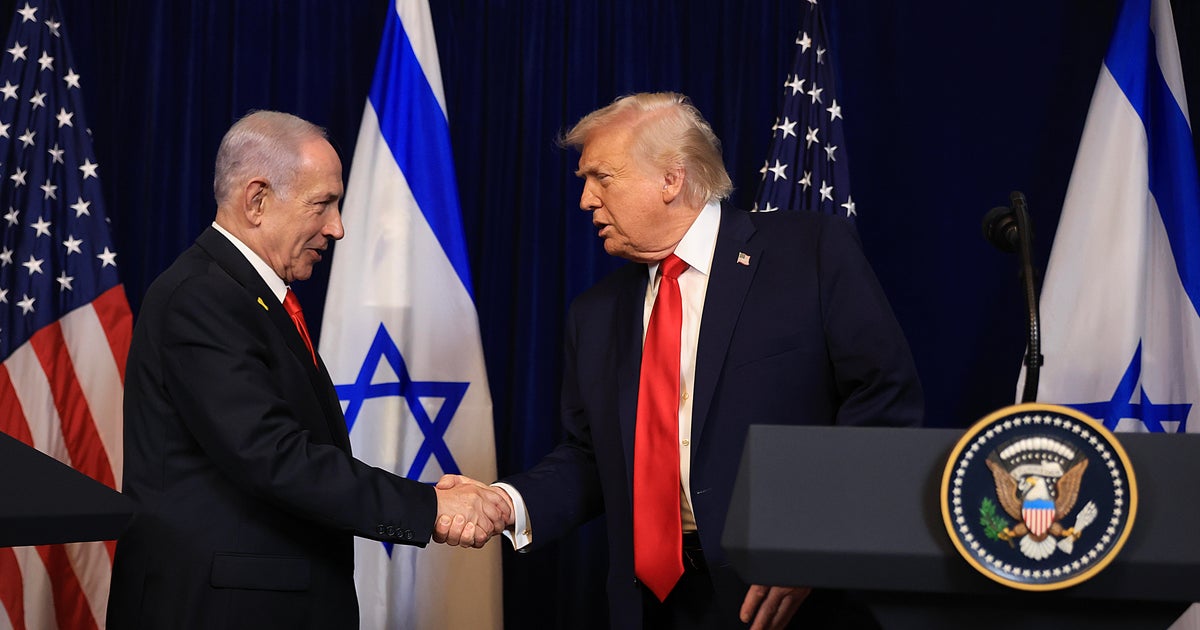
President Trump, after a meeting with Israeli Prime Minister Benjamin Netanyahu at Mar-a-Lago, declared that Hamas must disarm quickly or face severe consequences, stating 'there will be hell to pay.' Trump claimed that dozens of countries support the peace deal and are prepared to act against Hamas if it does not comply. The peace plan's first phase included a ceasefire, the return of hostages, and humanitarian aid, but the second phase—calling for Hamas' disarmament and replacement by a transitional government—remains stalled due to Hamas' refusal to disarm and return all hostage remains. Netanyahu praised Trump and announced he would receive the Israel Prize for his peace efforts, an honor never before awarded to a non-Israeli. Trump also voiced support for an Israeli strike on Iran if it resumes its nuclear program and commented on a potential pardon for Netanyahu, who is under investigation for bribery and fraud. Recent diplomatic efforts have included meetings with leaders from Qatar, Egypt, Turkey, and Ukraine. The article recounts recent history of the Israel-Hamas conflict, including the 2023 Hamas attack on Israel and the resulting war.
Biblical Reflection
From a biblical perspective, the pursuit of peace and justice is a noble goal, but Scripture cautions against retribution, harsh ultimatums, and the use of overwhelming force as a first response. Jesus taught, 'Blessed are the peacemakers' (Matthew 5:9) and encouraged reconciliation over vengeance. Political leaders are called to seek justice and protect the innocent (Romans 13:1-4), but the tone of 'hell to pay' and the threat of annihilation reflect more of the world's methods than the spirit of Christ’s teaching. The call for disarmament and the end of violence aligns with the biblical longing for swords to be beaten into plowshares (Isaiah 2:4), but genuine peace cannot be achieved by threats alone; it requires repentance, forgiveness, and the pursuit of mutual understanding. The article also highlights the dangers of political self-promotion and the risk of pride, as leaders seek honors and recognition. Christians should pray for true peace, wisdom for all leaders, and justice that reflects God’s mercy and truth, not merely human power.
Scripture in context
This outlook does not yet include contextual Scripture citations. Do not treat a general biblical theme as an exegetical conclusion.
Faithful Response
No prescribed response is offered. Consider the reflection prompts below in your own church context.
Reflection and Discussion
- 1In what ways can Christians be peacemakers in situations marked by violence and threats?
- 2How should believers respond when political leaders use language that emphasizes retribution over reconciliation?
- 3What does genuine, Christ-like leadership look like in the context of international conflict?
Sources
Reporting links are evidence inputs; Sanctuary News' biblical reflection is commentary.
This outlook currently relies on fewer than two linked sources. Broaden verification before teaching from it.
- 1.Original reportprimary