News Summary
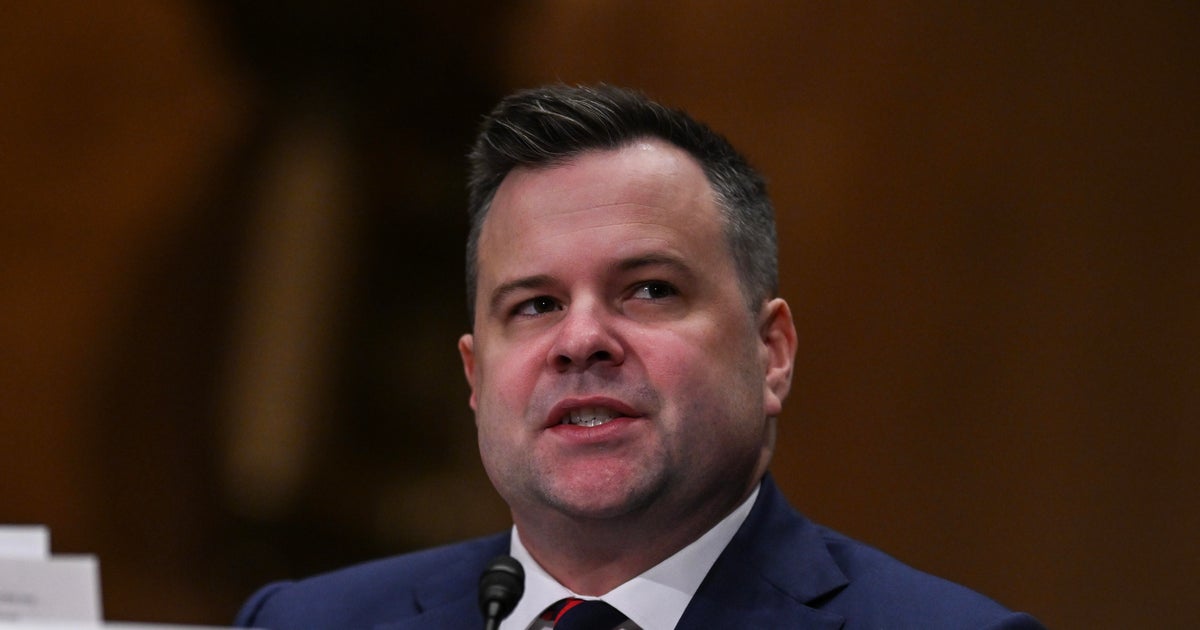
President Trump said Bill Pulte, whom he named acting director of national intelligence, will not be nominated to hold the position permanently and that the administration is interviewing other candidates for the long-term role. While Pulte is serving as acting director, Trump said Pulte "may find out some things about the rigged elections," referencing ongoing questions raised by some about past elections. The article notes that outgoing Director of National Intelligence Tulsi Gabbard attended an FBI search of an elections center in Fulton County, Georgia, earlier in the year; Gabbard’s attendance raised concerns about politicization of the intelligence community. Pulte has no publicly known national security background; his prior federal role was at the Federal Housing Finance Agency, and he previously investigated Trump critics for mortgage fraud. Pulte’s selection drew criticism and limited enthusiasm on Capitol Hill. Some Senate Republicans are seeking to extend federal surveillance authorities, while some Democrats have said they would oppose doing so if Pulte oversees the intelligence agencies. Trump defended Pulte’s qualifications, calling him smart, of high integrity, and saying he had done a "phenomenal" job overseeing Fannie Mae and Freddie Mac (a claim reflecting the president’s assessment). Trump also said Gabbard attended the Fulton County search at the urging of then-Attorney General Pam Bondi, according to his remarks.
Biblical Reflection
From a Christian perspective this story highlights tensions between political loyalty, competence, and the common good. Installing an acting head of the intelligence community who lacks known national security experience raises legitimate concerns about stewardship, transparency, and the nonpartisan functioning of institutions meant to protect citizens. The president’s public suggestion that the acting director could "find out" information about "rigged elections" echoes partisan claims that can undermine public trust in elections and in government bodies charged with impartial oversight. Christians are called to prize truth and pursue justice; when public leaders mix political aims with institutions that require impartiality, the risk is erosion of trust and increased polarization. At the same time, evaluate statements and motives carefully: not every controversial appointment is driven by the same motives—some may arise from loyalty, some from political strategy, and some from a belief in an individual’s character. The biblical virtues of truth-telling, humility, and seeking the welfare of the neighbor should shape our response: insist on transparent processes, accountability from leaders, and respectful critique rather than reflexive partisanship. Pray for those in public office and for bodies of oversight to act with integrity, and ask for discernment to separate justified criticism from rhetoric meant to inflame.
Scripture in context
This outlook does not yet include contextual Scripture citations. Do not treat a general biblical theme as an exegetical conclusion.
Faithful Response
No prescribed response is offered. Consider the reflection prompts below in your own church context.
Reflection and Discussion
- 1Does this appointment prioritize loyalty or demonstrated competence for a role that depends on impartiality, and how does that affect public trust?
- 2How does public rhetoric about 'rigged' elections affect the credibility of institutions that must remain nonpartisan to protect the common good?
- 3What standards of transparency and oversight should Christians insist upon when government offices that protect national security are reshaped?
Sources
Reporting links are evidence inputs; Sanctuary News' biblical reflection is commentary.
This outlook currently relies on fewer than two linked sources. Broaden verification before teaching from it.
- 1.Original reportprimary