News Summary
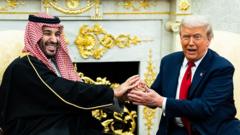
Reported fact: BBC attributes to the US president a statement that a proposed agreement to help Saudi Arabia develop civilian nuclear energy is contingent on Saudi Arabia joining the Abraham Accords and recognising Israel. Attributed claim: the president framed the nuclear assistance as dependent on diplomatic normalisation. Uncertainty: the article does not provide details about the alleged agreement (text, signatories, legal commitments), the technical or safety safeguards proposed, a timeline, or any official responses from Saudi, Israeli, or international bodies.
Source and Framing Analysis
The story is based on a single brief news item attributing a statement to the US president. The article provides no documentary evidence, quotes, or supporting details about the so-called 'landmark agreement.' That lack of specificity leaves material uncertainties about whether this is a negotiated condition, a public negotiating stance, or rhetorical positioning. The absence of Saudi, Israeli, or multilateral sourcing means the report should be read as reporting a presidential statement rather than a completed policy action.
Biblical Reflection
The report describes a diplomatic position that ties strategic cooperation on civil nuclear development to a political recognition of Israel. Christians should note two competing goods at stake: the pursuit of peace and diplomatic stability in a volatile region, and careful stewardship of nuclear technology and justice for those affected by diplomatic shifts. Linking security and technical assistance to a diplomatic concession can be a pragmatic use of leverage to advance peace, but it can also shortchange careful accountability, safety, and the legitimate concerns of other regional actors and vulnerable peoples.
Read through the lens of Christian virtues, this news calls for truth-telling about risks and motives, mercy toward those who may be harmed by sudden political changes, humility by leaders who must weigh long-term consequences, and a commitment to peacemaking that seeks justice for all neighbors, including Palestinians. Christians should neither reflexively cheer geopolitical bargaining nor uncritically accept it; instead, they should ask whether such policy advances human flourishing, reduces the risk of escalation, and protects the most vulnerable.
Because the report is brief and anchored to a single public statement, believers ought to hold statements and policy positions with prudent discernment: press for factual clarity, demand safeguards for nuclear assistance, and pray for wisdom for leaders on all sides.
Scripture in context
- 1Matthew 5:9 — Part of the Sermon on the Mount where Jesus blesses those who embody the values of the kingdom; the beatitudes call followers to lives that reflect God's justice and peace-making character within a hostile world. — This passage calls Christians to prize peacemaking as a primary ethic: diplomatic negotiations should be judged by whether they truly pursue reconciliation and protect the vulnerable, not merely by strategic advantage.
- 2Proverbs 11:14 — Proverbs offers wisdom about counsel and governance; many proverbs advise that wise counsel and deliberation are needed for good outcomes, especially in public affairs. — The proverb encourages Christians to seek broad, wise counsel and transparency in decisions that affect public safety and communal wellbeing, such as agreements involving nuclear technology and regional recognition.
Faithful Response
Pray for leaders and affected communities for wisdom, restraint, and protection.
Seek fuller information from reliable sources before forming firm judgments; advocate for transparency and safety safeguards if nuclear assistance is pursued.
Support charities and ministries that aid civilians potentially affected by diplomatic shifts and conflicts in the region.
Encourage local church teaching that helps congregants think biblically about justice, peacemaking, and international responsibility.
Reflection and Discussion
- 1Does linking nuclear assistance to diplomatic recognition treat complex human and security needs as mere bargaining chips, and how should that shape Christian judgement?
- 2Who are the most vulnerable people affected by such diplomatic shifts, and how are their needs being considered in public discussion?
- 3What practices of prayer, study, and civic engagement should Christians adopt to responsibly respond to high‑stakes international decisions?
Sources
Reporting links are evidence inputs; Sanctuary News' biblical reflection is commentary.
This outlook currently relies on fewer than two linked sources. Broaden verification before teaching from it.
- 1.Saudis must recognise Israel for nuclear deal, says Trumpprimary_reporting