News Summary
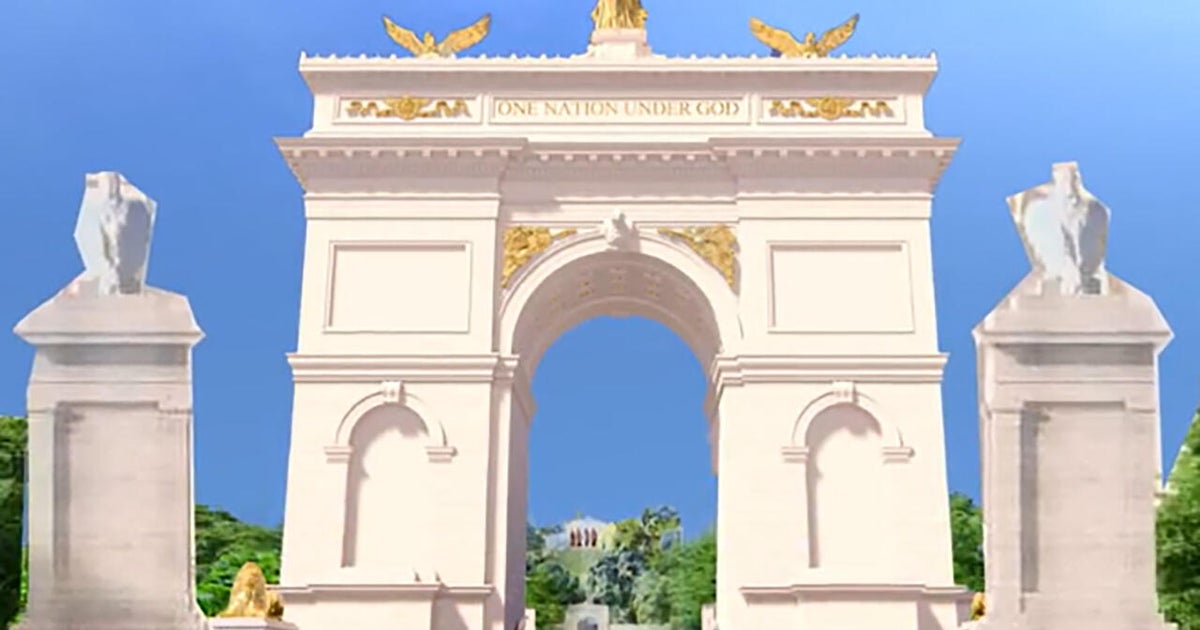
President Trump is sponsoring multiple large-scale projects in Washington, D.C., framed as beautification and 250th‑anniversary commemorations. Proposed initiatives include a 250‑foot triumphal arch on Columbia Island near Arlington National Cemetery, resurfacing the National Mall's Reflecting Pool, overhauling a public Potomac golf course, a 250‑sculpture “Garden of Heroes,” and construction on the White House grounds including a new ballroom after the East Wing was demolished. The administration says projects are maintenance or investments in national pride; the Department of the Interior released a statement supporting the arch and citing historical plans for monumental treatment of the site. Critics — including veterans, preservation groups, and some planners — argue projects threaten historic sightlines, displace public input, rely on no‑bid contracts, divert at least $80 million from national parks, and were advanced quickly by a Commission of Fine Arts now staffed entirely by Trump appointees. Three veterans have sued over the arch, calling it disrespectful near Arlington; proponents argue the site has long been intended for a monumental work. There have also been reports of construction debris being dumped in a nearby park and a judge ordered removal of the president's name from the Kennedy Center after it had been added.
Biblical Reflection
This story raises questions about stewardship, civic trust, and the proper use of public space. Building monuments and restoring public grounds can reflect a healthy patriotism and a desire to honor the past, but when projects move rapidly, lack transparent process, or appear to serve a leader's personal legacy, they risk eroding public trust and disrespecting those they claim to honor. The article presents voices on both sides — veterans and preservationists emphasizing honor, memory, and legal process, and officials emphasizing national pride and historical precedent — so readers should weigh factual claims (costs, fund sources, approvals, and legal rulings) separately from rhetoric. From a Christian perspective, the shape of public memory matters: we are called to honor the dead and to steward common resources with humility and justice, resisting any impulse toward self‑glorification or shortcuts that bypass accountability. Legal challenges and civic debate are appropriate mechanisms when citizens believe public heritage or the rights of neighbors are at stake.
Scripture in context
This outlook does not yet include contextual Scripture citations. Do not treat a general biblical theme as an exegetical conclusion.
Faithful Response
No prescribed response is offered. Consider the reflection prompts below in your own church context.
Reflection and Discussion
- 1Who benefits most from these projects, and whose voices have been prioritized or sidelined in the decision process?
- 2Are the claims about maintenance, safety, and historical precedent backed by transparent documentation and independent review?
- 3Do these efforts encourage genuine civic remembrance and stewardship, or do they risk becoming instruments of personal legacy and political self‑promotion?
Sources
Reporting links are evidence inputs; Sanctuary News' biblical reflection is commentary.
This outlook currently relies on fewer than two linked sources. Broaden verification before teaching from it.
- 1.Original reportprimary