News Summary
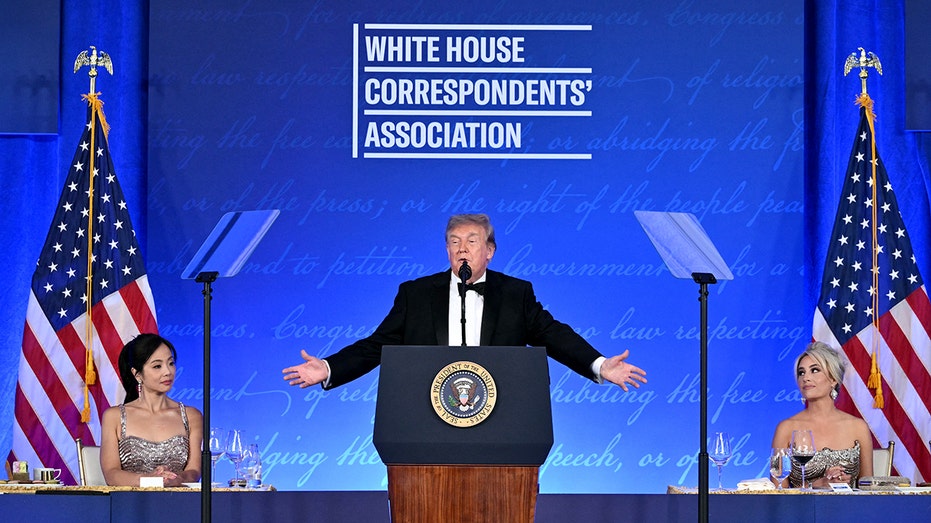
Reported facts: The Fox News article states that at the WHCA dinner President Trump 'roasted' Robert F. Kennedy, Kaitlan Collins, and Bari Weiss and that he also offered unusually warm words for journalists; it calls the event historic and lists five takeaways from his appearance. Attributed claims: Characterizations such as 'rare warm words' and 'historic' are presented by the reporter rather than quoted verbatim from the president. Uncertainty: The supplied article text does not provide full transcripts, verbatim quotes, video, or detailed context for the remarks, so the exact wording, tone, and audience reaction are not verifiable from the supplied material alone.
Source and Framing Analysis
The story is based on a single news report (Fox News) and emphasizes theatrical elements — 'roasted' and 'rare warm words' — which are evaluative choices that shape reader perception. Without verbatim quotes or a transcript, framing choices (e.g., which moments are highlighted as takeaways) materially affect how the event is understood. The coverage appears aimed at summarizing highlights rather than providing a comprehensive primary record.
Biblical Reflection
Public speeches by leaders mix performance, policy, and personality. The article frames the WHCA dinner chiefly as a spectacle — a forum where the president used humor and insults toward specific journalists and public figures while also offering unusually warm words about the press. Christians should notice two tensions: the human appetite for entertainment and the moral cost when humor becomes demeaning rather than honest correction.
A faithful reading insists on clarity: leaders are called to truth and to the welfare of neighbors, including those who report inconvenient facts. When public rhetoric targets individuals, it risks normalizing contempt and eroding mutual trust. At the same time, a single evening of warmer remarks toward the press does not erase broader patterns of behavior; Christians should be skeptical of easy moral accounting and weigh actions against sustained patterns.
Practically, believers can respond with commitment to truth, measured speech, and mercy. We can refuse to amplify ridicule for its own sake, defend the dignity of people who are criticized, and press public figures — including those we support — toward humility, honesty, and reconciliation.
Scripture in context
- 1Ephesians 4:29 — Paul's letter to the Ephesian church addresses how Christians should live together after receiving salvation: he connects transformed identity to transformed speech and relationships, countering the social norms of slander and abusive talk by urging speech that benefits others. — The passage cautions Christians against language that tears down; applied here it calls leaders and listeners alike to prefer speech that builds up, seeks truth, and shows mercy rather than mockery.
Faithful Response
Pray for leaders, journalists, and those targeted by public ridicule, asking for truth, repentance where needed, and a spirit of reconciliation.
Seek primary sources before forming judgments: read or watch the full remarks when available rather than relying only on highlight accounts.
Model civil discourse in your own speech: resist sharing or celebrating messages that demean individuals, even when political loyalty tempts us.
Support local, accountable journalism and practices that hold power to account without endorsing personal attacks.
Reflection and Discussion
- 1Does the pleasure we take in political humor compromise the command to love our neighbors, including public figures?
- 2How can Christian communities encourage accountability for speech while resisting the dynamics of public shaming?
- 3What sources and practices will you use to move from reaction to discernment when political theater dominates the news?
Sources
Reporting links are evidence inputs; Sanctuary News' biblical reflection is commentary.
This outlook currently relies on fewer than two linked sources. Broaden verification before teaching from it.
- 1.Here's what you missed from Trump's first WHCA Dinner as president: 5 takeaways from his night with the pressprimary_reporting