News Summary
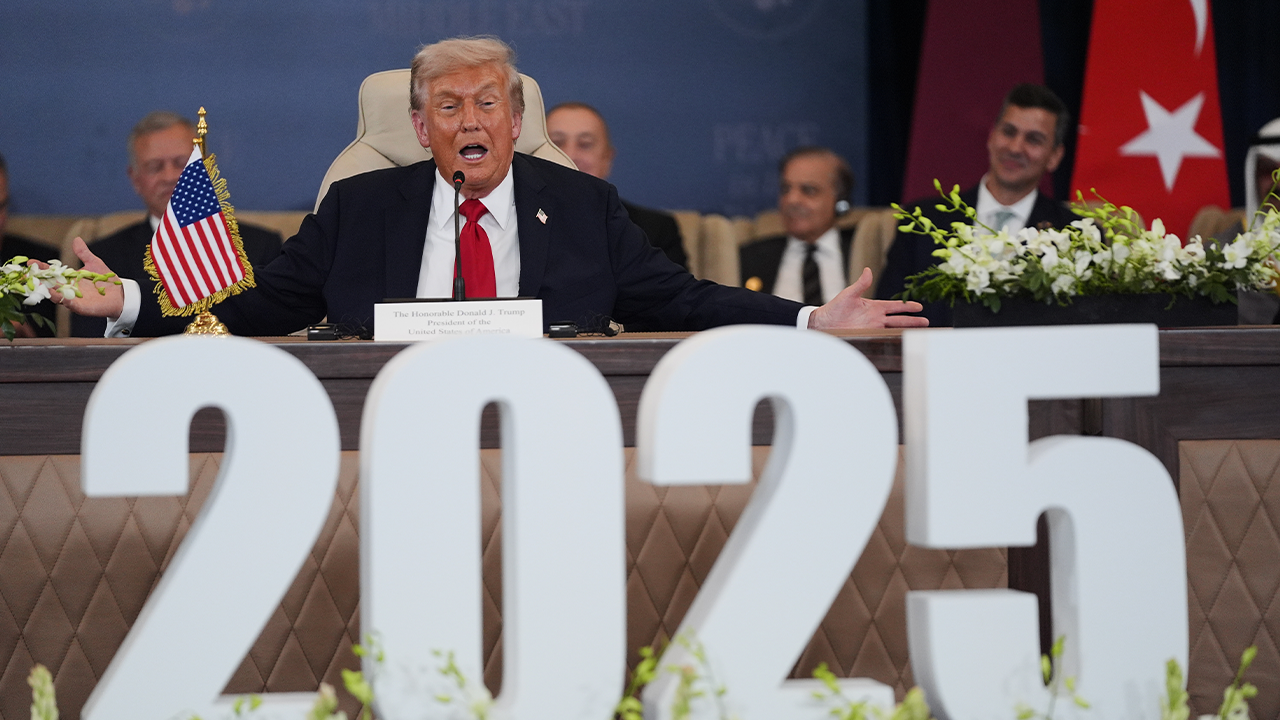
The article reviews President Donald Trump's foreign policy initiatives in 2025, which focused on a 'peace through strength' doctrine. The Trump administration achieved notable diplomatic progress, including brokering a ceasefire between Israel and Hamas that led to the release of hostages, facilitating a peace declaration between Armenia and Azerbaijan, and supporting peace accords between the Democratic Republic of Congo and Rwanda. In Ukraine, U.S.-led negotiations produced a 20-point plan for security guarantees, though Russia remained unconvinced and core issues were unresolved. The administration also mediated ceasefires in the India-Pakistan conflict over Kashmir and the border clashes between Cambodia and Thailand. However, some conflicts, like Sudan's civil war and the U.S. confrontation with Venezuela, saw less progress, with the U.S. relying on sanctions and pressure rather than diplomacy in Venezuela. The article concludes that while several conflicts saw progress, many underlying issues and hostilities remain unresolved.
Biblical Reflection
From a biblical perspective, the pursuit of peace is commendable and aligns with Christ's call to be peacemakers (Matthew 5:9). The article highlights diplomatic efforts to end violence and bring adversaries to the negotiating table, which reflects a desire for reconciliation and the value of every human life. However, the means and motivations behind political 'peace through strength' must be weighed carefully. Scripture warns that true and lasting peace cannot be achieved through power alone or by ignoring justice, truth, and the needs of the vulnerable (Micah 6:8; Psalm 34:14). While ceasefires and negotiations are positive steps, unresolved grievances, lack of justice, and ongoing suffering (as in Gaza, Sudan, and Venezuela) reveal the limitations of human diplomacy and the need for a deeper transformation of hearts. Christians are called to pray for those in authority (1 Timothy 2:1-2), to advocate for justice and mercy, and to remember that ultimate peace comes from Christ, not political deals. The article serves as a reminder to seek peace actively, but also to pursue it with humility, compassion, and reliance on God’s wisdom.
Scripture in context
This outlook does not yet include contextual Scripture citations. Do not treat a general biblical theme as an exegetical conclusion.
Faithful Response
No prescribed response is offered. Consider the reflection prompts below in your own church context.
Reflection and Discussion
- 1How can I pursue peace in my own relationships and community, following the example of Christ?
- 2Do I pray for world leaders and the people affected by conflict, asking God for true peace and justice?
- 3In what ways might I be called to advocate for both peace and justice, not just the absence of conflict?
Sources
Reporting links are evidence inputs; Sanctuary News' biblical reflection is commentary.
This outlook currently relies on fewer than two linked sources. Broaden verification before teaching from it.
- 1.Original reportprimary