News Summary
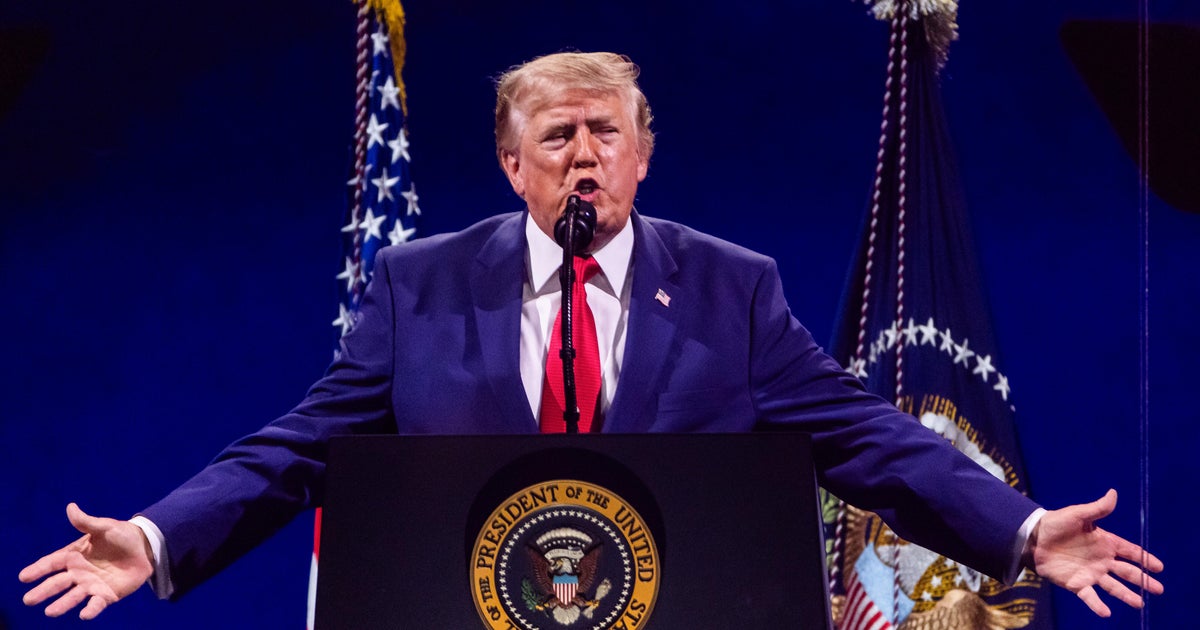
President Trump delivered a July 4th address on the National Mall in Washington, D.C., after a two-hour evacuation prompted by severe weather. In the speech he honored military veterans and historical figures, praised NASA, police and farmers, and called the 250th anniversary the "dawn of the golden age of America." He listed historic U.S. military achievements and included claims about recent actions against Iran's navy, saying the U.S. "sank the entire Iranian navy, 159 ships," and referenced Venezuela and Iran as victories. He attacked communism in strongly worded terms and linked the threat to domestic politics. The president urged passage of the Save America Act, which he described as requiring proof of citizenship to register and voter ID at the polls to prevent election fraud. Media observers noted the speech blended history, patriotism and partisan political themes ahead of midterm elections.
Biblical Reflection
The speech mixes legitimate patriotic honor with partisan rhetoric and factual claims that warrant verification. Praising veterans and public servants aligns with honoring sacrifice and service; however, extraordinary military claims (for example, the stated sinking of 159 Iranian ships) should be treated as assertions that need independent confirmation rather than accepted as fact. Framing an ideology as a 'cancer' and tying it to domestic political opponents encourages fear and division rather than careful public discernment. From a Christian perspective, leaders are called to speak truth in love and to steward civic trust responsibly. Political advocacy for election-security measures can be a valid public interest, but proposals that impose burdens on voters should be debated transparently and weighed against the call to protect the vulnerable and uphold just access to civic participation. Christians should resist rhetoric that dehumanizes opponents, demand truthful public discourse, and hold leaders accountable while praying for wisdom and unity.
Scripture in context
This outlook does not yet include contextual Scripture citations. Do not treat a general biblical theme as an exegetical conclusion.
Faithful Response
No prescribed response is offered. Consider the reflection prompts below in your own church context.
Reflection and Discussion
- 1Which specific claims in this speech need independent verification, and how should believers respond when leaders make unverified or exaggerated statements?
- 2How does rhetoric that describes political opponents as an existential 'menace' shape civic life, and how should Christians resist language that fosters fear instead of neighbour-love?
- 3When a policy is presented as protecting democracy, what criteria should Christians use to evaluate whether it actually advances justice and access for all citizens?
Sources
Reporting links are evidence inputs; Sanctuary News' biblical reflection is commentary.
This outlook currently relies on fewer than two linked sources. Broaden verification before teaching from it.
- 1.Original reportprimary