News Summary
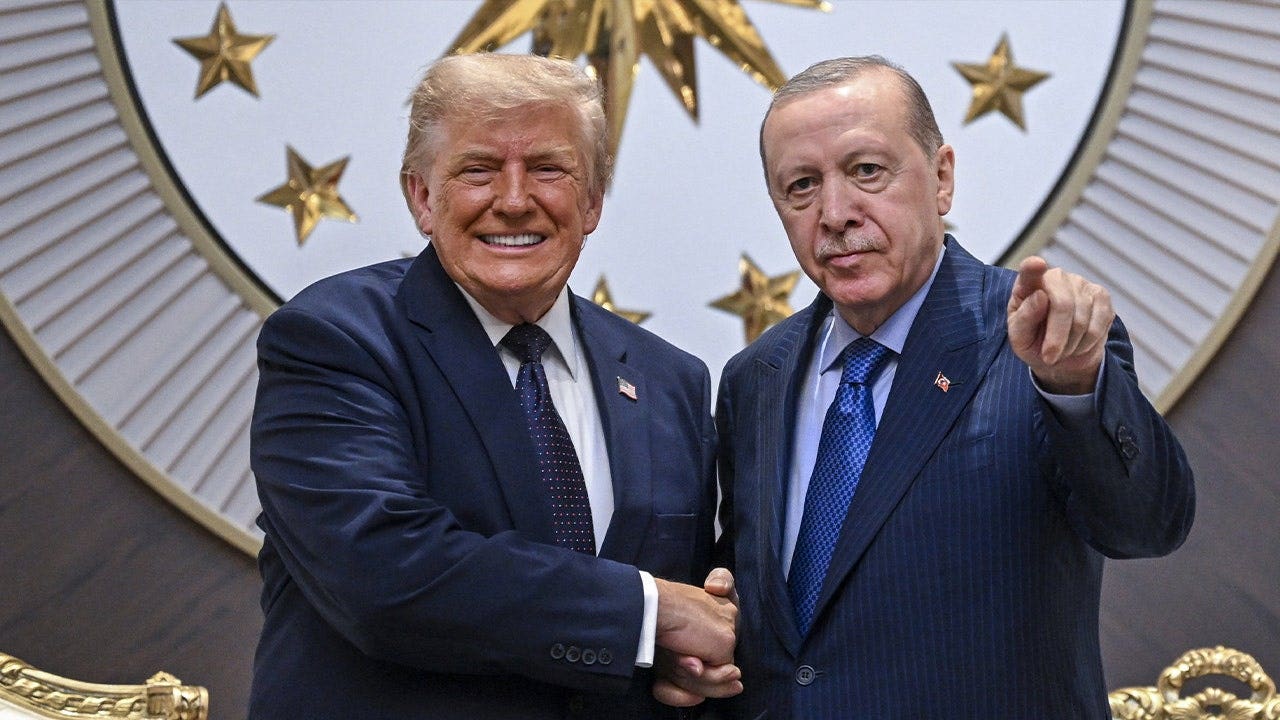
At a bilateral event in Ankara ahead of the NATO summit, President Donald Trump publicly criticized several European NATO allies for declining U.S. participation after an American operation against Iran, naming Italy, Germany and France. He described a policy logic that privileges demonstrated deterrent capability, arguing that credible force creates diplomatic leverage. The article's author, Robert Maginnis, interprets Trump’s remarks as evidence of an emerging U.S. grand strategy emphasizing: (1) "deterrence before diplomacy"; (2) seeking to conclude wars from positions of strength rather than managing them indefinitely (with reference to Ukraine); (3) expecting alliances to act as multipliers of U.S. power rather than dependencies, noting recent NATO defense-industrial announcements; (4) taking geography into account when shaping policy toward Turkey and the Arctic (including comments about lifting sanctions on Turkey and reconsidering F-35 sales, and past Greenland remarks); and (5) prioritizing resources toward competition with China and technological/industrial endurance (including AI and defense production). Maginnis, a retired Army officer and national security fellow, frames these repeated statements and decisions as revealing a coherent strategic logic that, if implemented, would reorganize U.S. power around deterrence, industrial capacity, alliance reciprocity, and China-focused prioritization.
Biblical Reflection
This opinion piece reads as realist strategic analysis: it interprets President Trump’s public rhetoric and policy hints as the practical outline of a harder-edged, transactional grand strategy. The argument has a clear premise — that credible military strength and industrial capacity produce diplomatic leverage — which is defensible in some contexts, but the article also contains normative judgments and choices about ends that are less examined. Christians should note both strengths and limits: sober, prudent deterrence can protect the innocent and preserve peace when diplomacy lacks force behind it; yet a transactional view of alliances and an emphasis on "testing" partners risk eroding trust, marginalizing justice, and normalizing bargains that could reward aggression. The piece privileges material power and industrial capacity as the primary guarantors of security; it downplays nonmaterial goods (institutions, mutual trust, human-rights commitments) and gives limited attention to the moral cost of settlements that might reward conquest or neglect victims. Pastors and lay Christians should therefore evaluate such strategic frameworks by asking not only whether they are effective, but whether they serve justice, protect the vulnerable, and seek a just and lasting peace. Christian discernment calls for humility about the limits of power, insistence on mercy and truth in diplomacy, and accountability for how national security choices affect civilians and international norms.
Scripture in context
This outlook does not yet include contextual Scripture citations. Do not treat a general biblical theme as an exegetical conclusion.
Faithful Response
No prescribed response is offered. Consider the reflection prompts below in your own church context.
Reflection and Discussion
- 1Does prioritizing tested strength and transactional alliances build lasting security, or does it risk hollowing out the trust and moral norms alliances depend on?
- 2When a strategy aims to end wars from 'positions of strength,' what criteria should govern whether a settlement is both durable and just rather than merely expedient?
- 3Are we allowing industrial and technological advantage to become the sole measure of national good, and what moral obligations might be sidelined by that focus?
Sources
Reporting links are evidence inputs; Sanctuary News' biblical reflection is commentary.
This outlook currently relies on fewer than two linked sources. Broaden verification before teaching from it.
- 1.Original reportprimary