News Summary
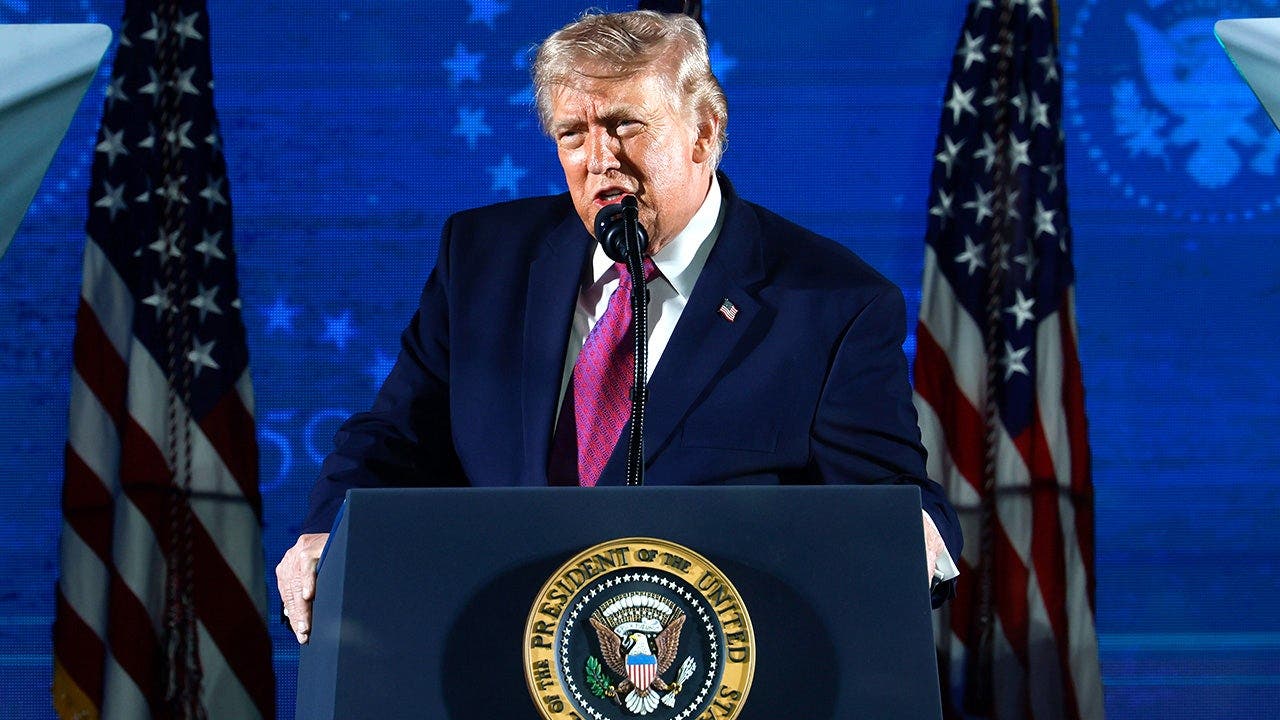
On the night of July 4–5, 2026, President Donald Trump delivered a 37-minute address at the Salute to America 250 celebration on the National Mall after weather delays and lightning; a Guinness-record fireworks display followed. Trump estimated crowd sizes, thanked attendees who stayed through storms, and honored 11 Gold Star family members. In his speech he praised American exceptionalism and the founders, said "no dream in history is bigger," reiterated that "America is a nation of winners," vowed continued space exploration (moon and Mars), and warned against communism with repeated rhetoric that it must be "cut out" and that the Stars and Stripes had "cast the hammer and sickle into oblivion." He invoked God in saying America's destiny is written by God and concluded by declaring the nation was entering a "golden age," leading into the fireworks. The article notes the speech was shorter than an earlier promised hours-long address and reports the fireworks ran about 38 minutes and set a world-record mark as planned by the administration.
Biblical Reflection
This speech is primarily a ceremonial and political expression of national pride and partisan messaging. Positively, it publicly honors sacrifice (Gold Star families) and affirms a commitment to exploration and national resilience—values Christians can affirm when they promote human dignity, service, and stewardship. However, much of the rhetoric is triumphalist and zero-sum ("nation of winners," stark anti-communist language likening ideological opponents to a cancer), which risks hardening divisions and dehumanizing those with different views. Claims of destiny and repeated appeals to divine favor require discernment: invoking God for a nation's success can be sincere, but Scripture cautions against assuming God's endorsement of every policy or leader. Christians should test political rhetoric against truth, humility, and love of neighbor—asking whether words build peace, protect vulnerable people, and call leaders to stewardship rather than self-glorification. Finally, ceremonial displays and large crowds can obscure factual questions (crowd estimates, historical simplifications) and should not be mistaken for moral validation of every claim made in a speech.
Scripture in context
This outlook does not yet include contextual Scripture citations. Do not treat a general biblical theme as an exegetical conclusion.
Faithful Response
No prescribed response is offered. Consider the reflection prompts below in your own church context.
Reflection and Discussion
- 1Does the speech elevate national identity in ways that risk replacing ultimate loyalty to God with loyalty to country?
- 2Where does the rhetoric promote unity and where might it deepen division or dehumanize opponents?
- 3Are the historical and factual claims being asserted as moral proof, and how should Christians weigh political celebration against the call to justice and mercy?
Sources
Reporting links are evidence inputs; Sanctuary News' biblical reflection is commentary.
This outlook currently relies on fewer than two linked sources. Broaden verification before teaching from it.
- 1.Original reportprimary