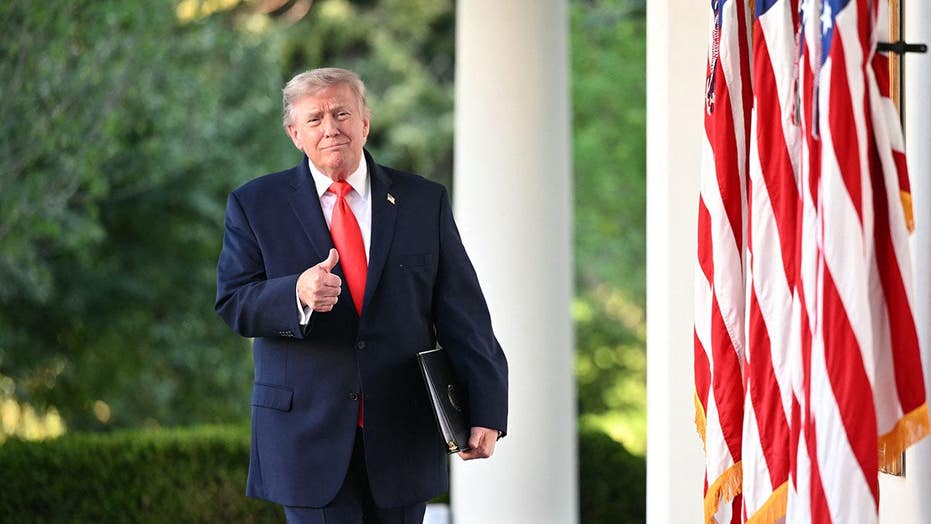
News Summary
Reported facts: Fox News published a headline stating that former President Donald Trump returned to the White House Correspondents’ Dinner and referenced an alleged assassination attempt. Attributed claims: the headline frames the attendance as occurring 'after alleged assassination attempt' but the supplied article text offers no supporting details, sources, or official statements. Uncertainty: material details (who, when, where, injuries, arrests, law-enforcement announcements, eyewitness testimony) are absent from the supplied material and remain unverified.
Source and Framing Analysis
Material uncertainty is central here: the supplied package includes only a headline and promotional copy, not a substantive news story. The framing links a public appearance to a serious security incident without supplying corroborating facts; that combination can lead readers to assume events or timelines that are not documented in the text provided. The absence of on-the-record sources, official statements, or eyewitness accounts is the primary framing and evidentiary problem that affects interpretation.
Biblical Reflection
News that links a public appearance by a political leader with an alleged assassination attempt raises urgent questions about safety, truth, and responsibility. Christians are called to pursue truth and to respond to fear with courage and compassion — seeking accurate information, protecting the vulnerable, and resisting the spread of unverified or sensational claims. The headline as supplied lacks essential facts; until credible details or official confirmations are available, believers should avoid amplifying anxieties and instead model restraint, prayerful discernment, and care for those potentially harmed.
At a deeper level, coverage that foregrounds danger and spectacle can encourage polarizing responses: fear, retaliatory anger, or political posturing. The Christian vocation toward peace-making, humility, and loving our neighbor requires insisting on accurate reporting, advocating for justice if wrongdoing occurred, and praying for leaders and for public safety. Where reporting is thin, faithful witness looks like measured speech, pastoral care for those affected, and a commitment to truth that refuses rumor as a substitute for evidence.
Scripture in context
- 1Romans 12:17-21 — Paul's letter to the Romans instructs Christians about living within a hostile or divided society, urging believers not to repay evil for evil but to pursue what is honorable, seek peace, and leave final judgment to God; the passage addresses ordinary Christians and community conduct, not specific political tactics. — In situations of alarming news or potential violence, the passage calls believers to refrain from revenge-motivated speech, to pursue peace where possible, to insist on justice without returning harm, and to hold news and public responses to standards of honesty and restraint.
Faithful Response
Pray for those possibly harmed, for truth to emerge, and for leaders and law enforcement to act justly and transparently.
Delay sharing or commenting on unverified reports; rely on multiple, reputable sources before amplifying serious claims.
Support local ministries and congregational care that provide counseling, hospitality, and practical help to people affected by fear or security incidents.
Advocate for thorough, evidence-based reporting and for authorities to release verifiable information to reduce rumor and panic.
Reflection and Discussion
- 1How should Christians balance a healthy concern for safety with the biblical call to avoid spreading unverified accusations?
- 2In what ways does our response to alarming news reflect the values of truth, mercy, and humility?
- 3How can the church provide pastoral care that reduces fear and encourages constructive action when public safety is threatened?
Sources
Reporting links are evidence inputs; Sanctuary News' biblical reflection is commentary.
This outlook currently relies on fewer than two linked sources. Broaden verification before teaching from it.
- 1.Trump returns to White House Correspondents’ Dinner after alleged assassination attempt and more top headlinesprimary_reporting