News Summary
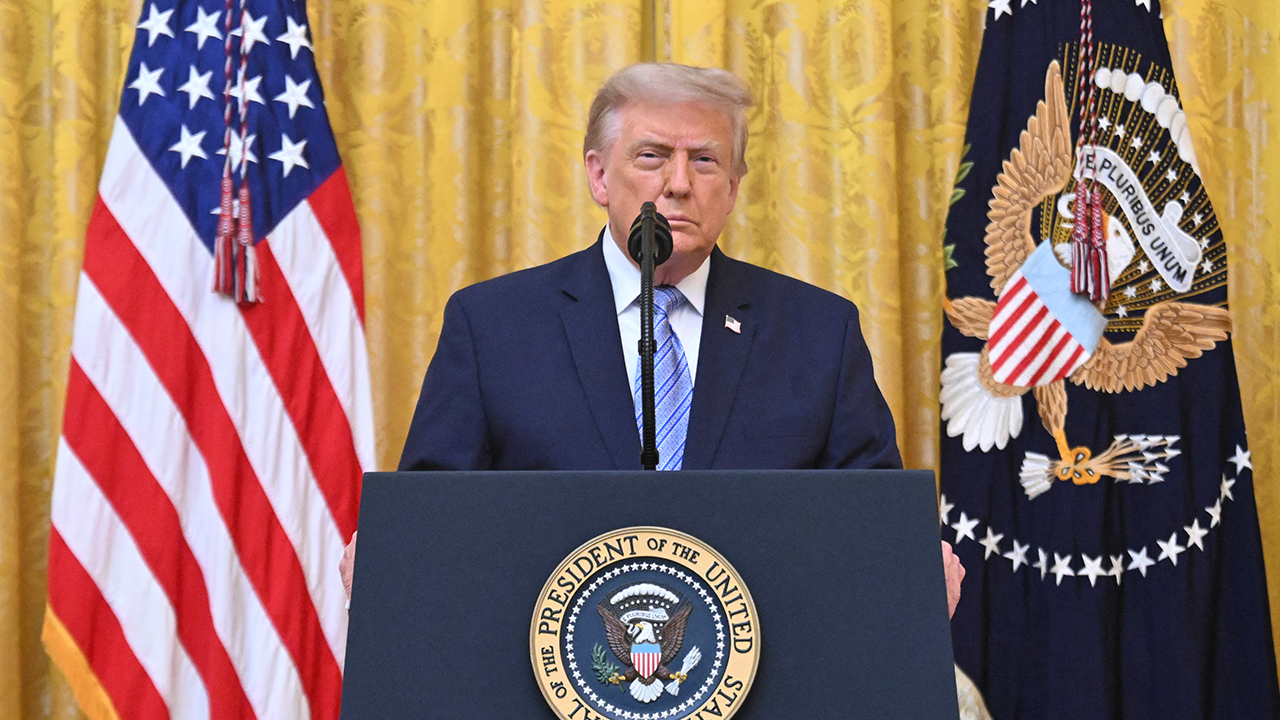
President Donald Trump delivered a televised address announcing the declassification and public posting of intelligence documents the White House said reveal vulnerabilities in U.S. elections related to electronic voting systems, foreign influence, Michigan voter-registration issues, and noncitizens on state voter rolls. Trump said the documents were compiled by a White House Government Transparency Taskforce and reviewed by his Intelligence Advisory Board and intelligence chiefs; he accused agencies and officials of having previously kept some reports out of presidential briefings and Congress. He did not allege that China changed votes or election results, but said Beijing ran an influence campaign and obtained U.S. voter data. The White House posted four document sections to its website during the speech. Trump called for investigations, possible firings and prosecutions, and renewed his push for the SAVE America Act (voter ID and citizenship verification). DHS letters to state election officials identified a preliminary list of more than 256,000 potential noncitizens on voter rolls in California, New Jersey, Nevada and Pennsylvania, according to the report. The Chinese embassy denied interfering in U.S. elections. Republican supporters and some election experts praised the declassification; Democratic leaders condemned the address and criticized the SAVE Act. Trump administration officials and a mix of elected leaders were present for the speech.
Biblical Reflection
From a Christian discernment perspective, the release intends to increase transparency and justify policy changes, but claims should be evaluated carefully against corroborating evidence and independent verification. Publicizing intelligence can serve the common good if it exposes genuine threats, but it can also inflame fear, distrust, and partisan division when released with political timing or without clear context. The article largely reports the administration's claims and supportive commentary alongside immediate political responses; readers should notice the mixture of official assertions, preliminary findings (e.g., DHS’s “potential” matches), and partisan reactions. Christians are called to seek truth and pursue justice while showing mercy: that means demanding rigorous, impartial investigation where wrongdoing is alleged, while resisting rhetoric that marginalizes or chills lawful voters. Proposals like strict ID and citizenship verification may strengthen some aspects of election security but also risk disenfranchising vulnerable populations; evaluating them requires attention to both evidence and the effects on neighbors who are poor, elderly, rural, or from minority communities. Pray for sober, humble public leadership that prioritizes accurate information, protects electoral integrity, and safeguards equal access to the ballot.
Scripture in context
This outlook does not yet include contextual Scripture citations. Do not treat a general biblical theme as an exegetical conclusion.
Faithful Response
No prescribed response is offered. Consider the reflection prompts below in your own church context.
Reflection and Discussion
- 1What independent verification exists for the claims in the released documents, and who outside the administration has reviewed the evidence?
- 2How do proposed election-security measures balance genuine risk mitigation with the practical impact on voter access for marginalized communities?
- 3Might the timing or presentation of these disclosures serve political goals as much as public safety, and how should that shape our trust and response?
Sources
Reporting links are evidence inputs; Sanctuary News' biblical reflection is commentary.
This outlook currently relies on fewer than two linked sources. Broaden verification before teaching from it.
- 1.Original reportprimary