News Summary
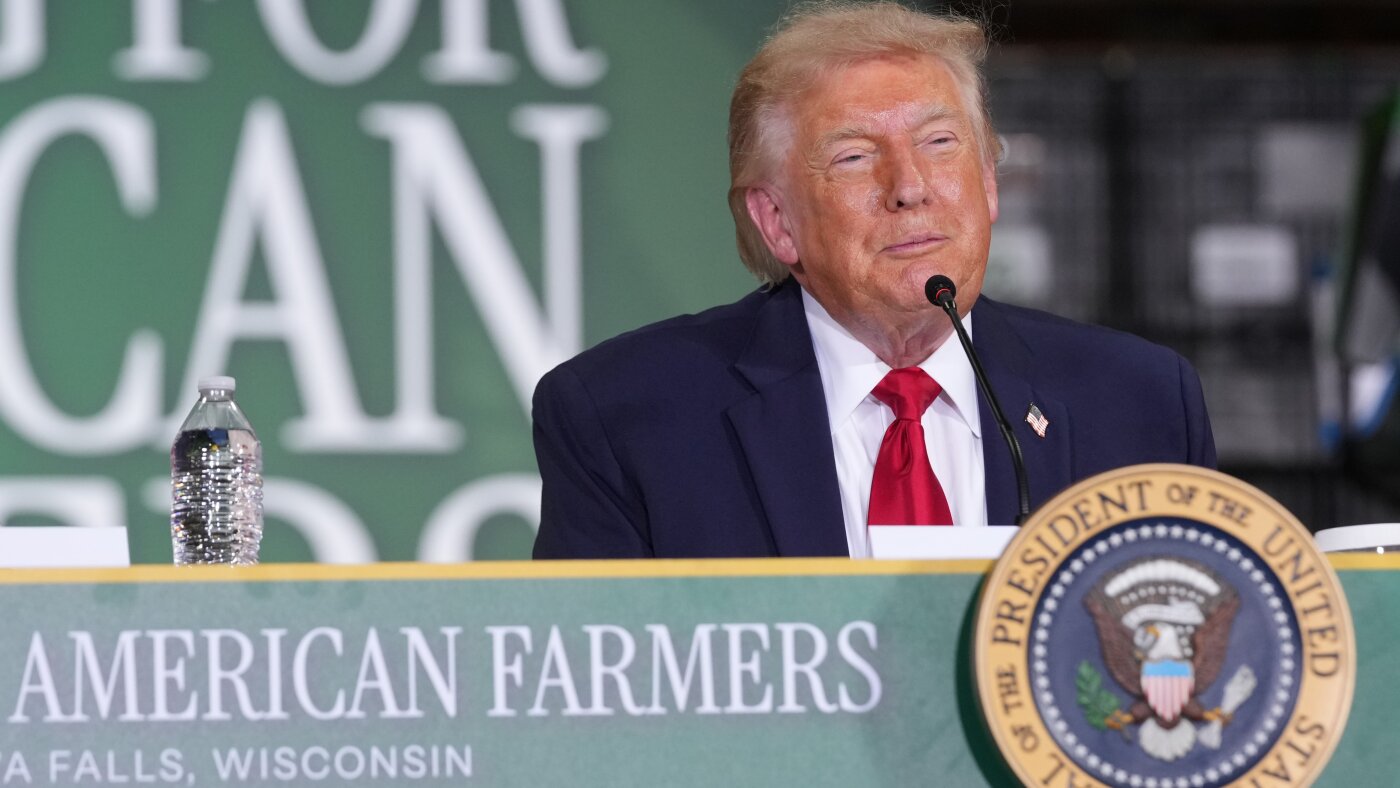
President Donald Trump, in an NBC "Meet the Press" interview taped in Wisconsin and aired Sunday, rejected the notion that launching a war with Iran this year betrayed his 2024 campaign refrain of "No new wars," saying he never guaranteed there would be no wars. He said the conflict with Iran, which began Feb. 28, was not an "endless war" and defended U.S. strikes and his earlier withdrawal from the 2015 nuclear agreement. Trump also defended a proposed $1.776 billion "Anti-Weaponization Fund" tied to a settlement over his lawsuit against the IRS — a plan the Justice Department later said it was scrapping after a judge paused it and lawmakers raised oversight concerns. He repeated unsubstantiated claims of widespread fraud in California's extended vote count following recent primaries; the article notes late-counted Democratic-leaning mail ballots have altered totals and that these changes reflect counting procedures rather than demonstrated fraud. In the interview he grew frustrated with NBC's Kristen Welker, criticized the media, made comments about potential payouts related to Jan. 6 attackers (while saying he would be "not inclined" to approve them), and ended the interview abruptly. The article reports Trump granted broad pardons to more than 1,500 people prosecuted for the Jan. 6, 2021, riot on his first day back in office in January 2025.
Biblical Reflection
From a Christian perspective, this piece raises several intersecting concerns about truth, authority, and the costs of political choices. The article reports demonstrable facts (the start date of the Iran conflict, the Justice Department's reversal on the settlement fund, and the lack of evidence for the election-fraud claims as presented). Where the president asserts claims without supporting public evidence, Christians should be wary of rhetoric that undermines public trust. Decisions about war carry enormous moral weight because they put lives at risk; invoking security and military strength can be legitimate, but Christians should press leaders for transparency about aims, proportionality, and efforts to pursue peace. The debate over the settlement fund and possible payouts to Jan. 6 participants touches justice and mercy: mercy must not erase accountability or endanger neighbors. The article's framing (noting contradictions and labeling unproven claims as baseless) is consistent with evaluating statements against available evidence, a practice Christians should endorse in seeking truth. Pastoral care here calls for prayerful discernment, insistence on factual accountability from leaders of all parties, and concern for the vulnerable who bear the brunt of war and civic disorder. Finally, the tone of personal attack against the press illustrates how partisan mistrust corrodes civic life — Christians are called both to speak truth and to pursue reconciliation where possible.
Scripture in context
This outlook does not yet include contextual Scripture citations. Do not treat a general biblical theme as an exegetical conclusion.
Faithful Response
No prescribed response is offered. Consider the reflection prompts below in your own church context.
Reflection and Discussion
- 1When a leader's words and actions conflict, how should Christians weigh campaign promises against the practical demands and moral costs of security decisions?
- 2How do we balance mercy for individuals with the need for justice and public safety when policies—such as pardons or compensation—affect victims and civic order?
- 3Amid partisan accusation and media distrust, what practices help Christians discern verified fact from rhetoric and shape faithful public witness?
Sources
Reporting links are evidence inputs; Sanctuary News' biblical reflection is commentary.
This outlook currently relies on fewer than two linked sources. Broaden verification before teaching from it.
- 1.Original reportprimary