News Summary
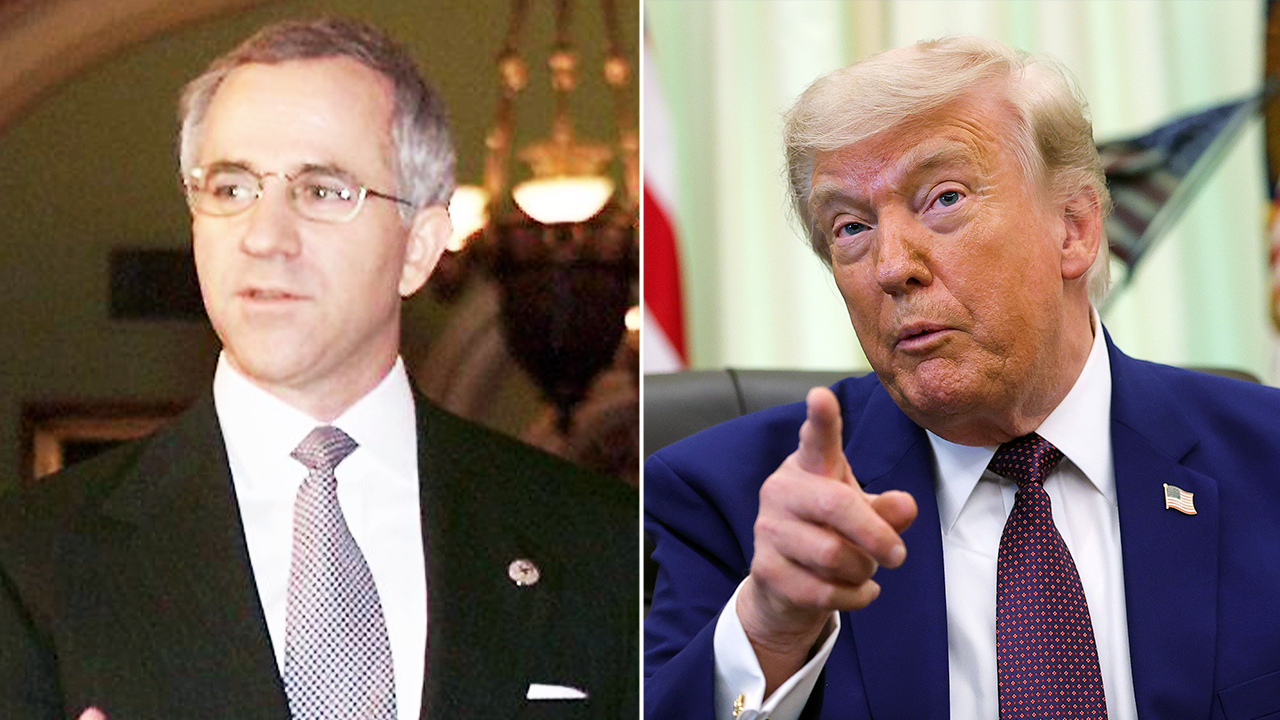
President Donald Trump granted a full, complete, and unconditional pardon to former Indiana Rep. Stephen Buyer, absolving him of a 2023 federal conviction for insider trading that led to a 22-month prison sentence. Buyer was convicted by a jury of trading on nonpublic information after leaving office, including purchases tied to the management company Navigant ahead of a Guidehouse acquisition and Sprint shares connected to an unannounced Sprint–T-Mobile merger. U.S. District Judge Richard Berman determined Buyer had given false explanations during proceedings; the sentence included forfeiture of $354,027 and a $10,000 fine. The White House proclamation cited Buyer's military and congressional service and said the pardon had the endorsement of more than 50 current and former lawmakers, naming several Republican senators and former members of Congress. The proclamation directed the acting attorney general to issue a certificate of pardon. Buyer's legal team had sought alternative sentencing and described significant financial hardship caused by litigation; prosecutors had sought additional payments toward legal fees but the judge denied that request.
Biblical Reflection
From a Christian perspective, this event highlights a tension between mercy and accountability. A presidential pardon can be an act of mercy and restoration, especially when it follows genuine repentance and remedial action. At the same time, pardons that remove criminal consequences for abuses of public trust raise legitimate concerns about justice, equal application of the law, and public confidence in institutions. The article’s framing — emphasizing endorsements, Buyer's prior service, and personal financial hardship — leans sympathetic and may underplay the integrity-of-markets and rule-of-law issues at stake. Christians should evaluate both the character of the person receiving mercy and the broader civic effects: mercy that ignores restitution and public harm can undermine neighbor-love and civic stewardship. In assessing this news, aim to hold together compassion for the individual and a sober insistence that public leaders be held to high ethical standards so that trust in communal institutions is preserved.
Scripture in context
This outlook does not yet include contextual Scripture citations. Do not treat a general biblical theme as an exegetical conclusion.
Faithful Response
No prescribed response is offered. Consider the reflection prompts below in your own church context.
Reflection and Discussion
- 1Does this pardon protect public trust in equal justice, or does it risk signaling different rules for the powerful?
- 2How does the article’s focus on endorsements and past service shape our sympathy, and what voices or harms are less visible in that framing?
- 3When leaders receive clemency, what forms of repentance and restitution should the public expect to safeguard the common good?
Sources
Reporting links are evidence inputs; Sanctuary News' biblical reflection is commentary.
This outlook currently relies on fewer than two linked sources. Broaden verification before teaching from it.
- 1.Original reportprimary