News Summary
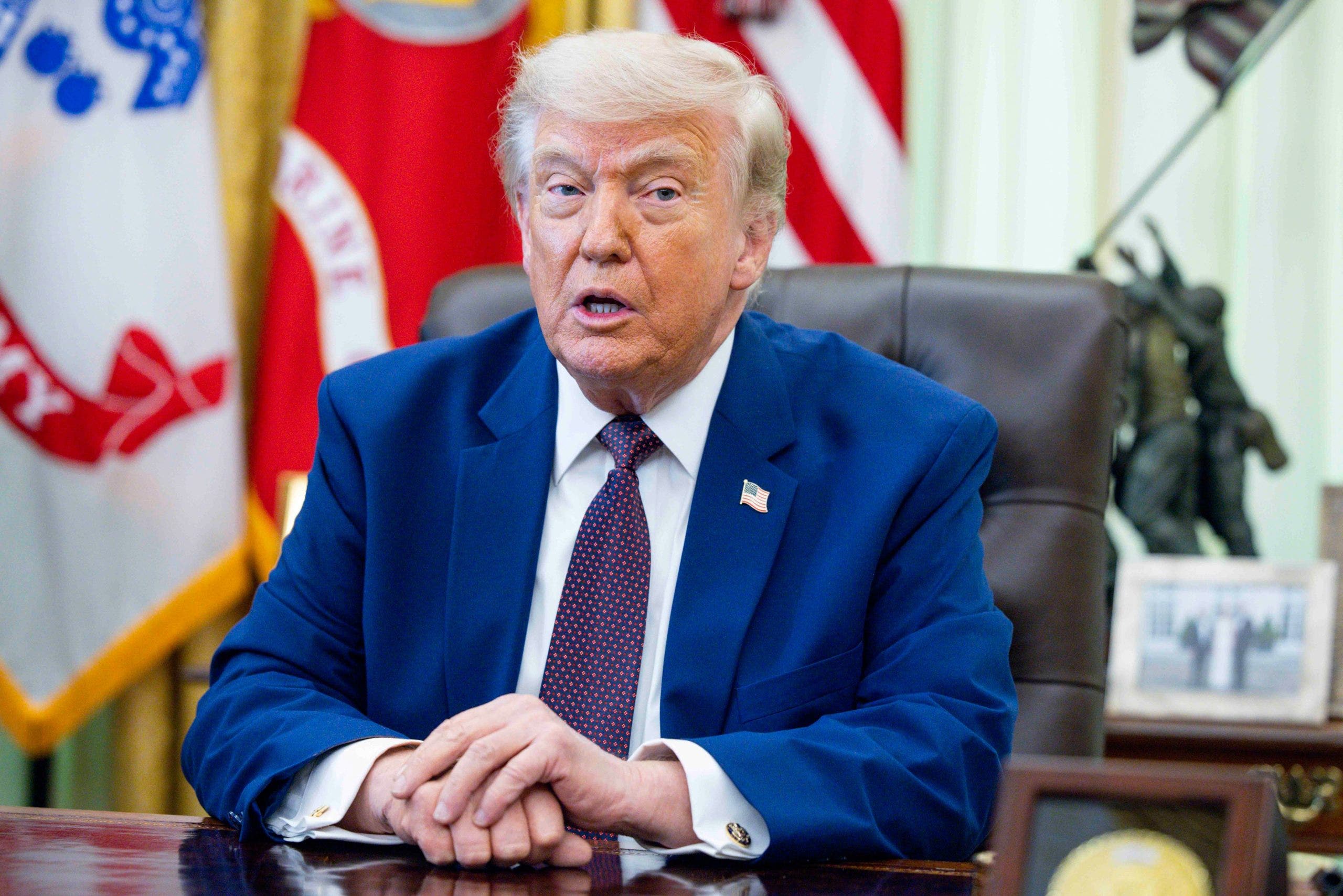
President Donald Trump issued full executive pardons on a Friday for six people he described as having been "persecuted" for repairing vehicles. The actions align with his public support for "right to repair" policies and follow a prior presidential memo aimed at expanding Americans' ability to repair their own vehicles and use aftermarket parts. One named case tied to the clemency is United States v. Elite Diesel Service, Inc. et al., in which owner Troy Lake Sr. had been convicted for activity the Department of Justice and EPA prosecutors described as disabling on-board diagnostic systems on at least 344 heavy-duty commercial trucks between January 2017 and December 2020, in violation of the Clean Air Act. Lake was sentenced in December 2024 to more than a year in prison and fined; Elite Diesel received probation and fines and was ordered to pay into a state air quality remediation program. Federal prosecutors said the wider investigation involved eight co‑conspirator garages and fleets across seven states and cited a study estimating the tampered trucks emitted an excess of nitrogen oxides and other pollutants. Biden-administration officials previously defended the prosecutions as necessary for public health and enforcement of emissions laws. The Justice Department’s pardon office had not yet updated its public listing with the newly granted clemencies at the time of reporting, and the White House did not immediately comment.
Biblical Reflection
This story sits at the intersection of competing goods: individual liberty and consumer access on one hand, and communal health and rule-of-law enforcement on the other. The president’s pardons clearly advance a political and cultural commitment to greater repair freedoms and frame prosecutions as politically motivated. That framing can be true in some cases, but it is also a rhetorical device that simplifies complex legal and public-health facts. From a Christian perspective we should hold both mercy and justice together. Clemency can correct injustice and show compassion, but it also risks eroding accountability when actions caused demonstrable harm to neighbors through increased pollution. Christians ought to be attentive to whether public claims match the evidentiary record (court findings, plea agreements, emissions data) and whether policy shifts protect the vulnerable and creation. Spiritually, watch for narratives that reduce moral dilemmas to slogans—"right to repair" or "weaponization"—without reckoning with consequences. Pray for leaders to exercise humility and for institutions to apply the law fairly while seeking restoration for those genuinely wronged. Encourage faithful scrutiny of both the facts and the motives behind political uses of mercy.
Scripture in context
This outlook does not yet include contextual Scripture citations. Do not treat a general biblical theme as an exegetical conclusion.
Faithful Response
No prescribed response is offered. Consider the reflection prompts below in your own church context.
Reflection and Discussion
- 1Whose health and welfare are protected by emissions enforcement, and how does that weigh against individual repair freedoms?
- 2Does the political framing of these pardons reflect rectifying a wrongful prosecution or advancing a policy agenda—what evidence tells us which?
- 3How should Christians evaluate claims of "persecution" when legal findings indicate harm to others and to public goods like clean air?
Sources
Reporting links are evidence inputs; Sanctuary News' biblical reflection is commentary.
This outlook currently relies on fewer than two linked sources. Broaden verification before teaching from it.
- 1.Original reportprimary