News Summary
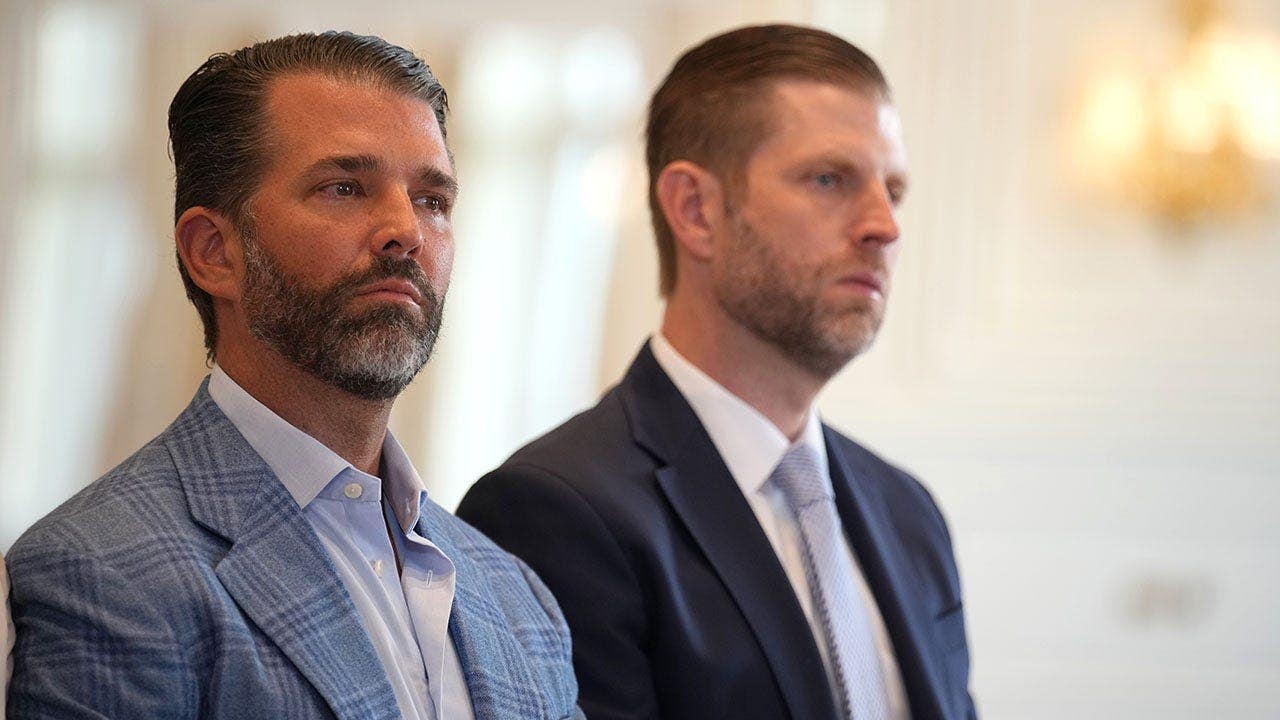
The Trump Organization sent a legal letter to The New York Times demanding a retraction or correction of a June 28 Times article that reported Donald Trump Jr. and Eric Trump stood to profit from a U.S. agreement to procure tungsten from Kazakhstan. The Times reported the connection through investments tied to Dominari Securities, Skyline Builders, Cove Capital and an affiliate (Cove Kaz) involved in the Kazakhstan mining project, which was discussed at a September 2025 meeting between President Trump (by phone) and Kazakhstan’s president and later supported by U.S. government letters of interest totaling up to $1.6 billion. Trump Organization attorney Alan Garten said the Times’ framing is misleading because the brothers were passive, indirect investors who had no operational role, did not influence the award, and were not connected to Cove Capital until after the September meeting; the letter reserves legal rights. The Times replied that its main point — that the brothers profited from the agreement — stands and that the article notes their passive investor status. The White House issued a statement defending the administration’s interest in securing critical minerals; the Commerce Department did not respond to requests for comment. The dispute centers on timeline, degree of involvement, and whether the reporting created a false impression of influence or impropriety.
Biblical Reflection
This story touches on two overlapping duties Christians should care about: the pursuit of truth and the protection of the common good. On one hand, journalists have a responsibility to report conflicts of interest clearly and to verify timelines and ownership structures before drawing implications about influence; on the other hand, public officials and their families must avoid real or apparent conflicts that erode trust in government decisions—especially where national security resources are involved. The Fox piece frames the episode largely through the Trump Organization’s legal challenge and includes pushback from the Times, which signals an adversarial media environment and partisan incentives on both sides. Christians should be cautious of quick alignment with partisan narratives; seek corroborating facts (ownership records, contract timelines, government procurement documentation) rather than relying on implication or headline spin. Practically, the dispute raises legitimate questions about transparency in government-commercial relationships and about how media outlets balance public interest reporting with careful sourcing. In evaluating the article’s worldview, note the tension between advocacy (defending reputations, protecting administration actions) and watchdog journalism (exposing potential conflicts). A faithful Christian response centers on insisting both on truthful reporting and on institutional transparency, while avoiding triumphalism or reflexive dismissal of uncomfortable facts.
Scripture in context
This outlook does not yet include contextual Scripture citations. Do not treat a general biblical theme as an exegetical conclusion.
Faithful Response
No prescribed response is offered. Consider the reflection prompts below in your own church context.
Reflection and Discussion
- 1Does the reporting rely on implication rather than direct evidence, and how does the timeline of investments affect whether influence was possible?
- 2Who benefits from framing this as a scandal or as a smear, and how might partisan incentives shape what details are emphasized or downplayed?
- 3What level of transparency and documentation would fairly settle questions about private investments linked to government procurement of strategic resources?
Sources
Reporting links are evidence inputs; Sanctuary News' biblical reflection is commentary.
This outlook currently relies on fewer than two linked sources. Broaden verification before teaching from it.
- 1.Original reportprimary