News Summary
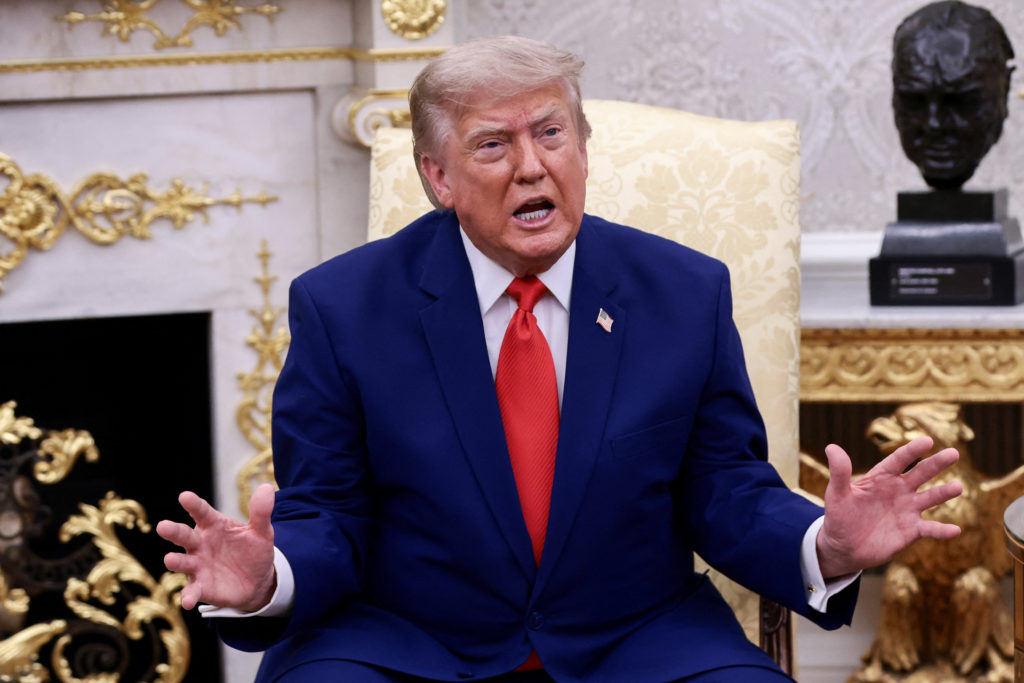
Reported facts: PBS NewsHour published a short video item in which President Donald Trump was asked about the possibility of a Houthi blockade of the Red Sea; Trump said it was not an immediate problem and said the United States would have to 'take care' of it. The article characterizes the Houthis as "Iranian-backed" and framed the exchange as a recorded on-camera moment. Attributions and uncertainty: the report does not document any actual or ongoing blockade, does not specify what 'take care' would mean in practice (military, diplomatic, or other), and does not provide independent sourcing for the characterization of the Houthis beyond standard reporting language. The level of immediate risk, the scale of any Houthi capability to sustain a blockade, and international responses are not established in the piece.
Source and Framing Analysis
The PBS piece is brief and focused on a short clip of a presidential exchange. Material uncertainties that affect understanding include: whether a blockade is occurring or imminent, what measures the U.S. (or allies) might take in response, and the exact nature of Houthi ties to Iran. The article uses the common shorthand "Iranian-backed," which conveys a particular geopolitical framing but does not unpack degrees of support or command-and-control. Because the item centers on a leader’s quoted phrase without policy detail, readers must not assume that the comment translates into a defined military plan.
Biblical Reflection
This short report highlights how a leader’s brief public remarks can shape perceptions of U.S. readiness and resolve around an international flashpoint. Christians should weigh words from public figures carefully: leaders bear the heavy responsibility of protecting the vulnerable and seeking just peace, and their statements can either calm or inflame public concern.
The article gives viewers a factual sketch but little context about the actual threat, what a blockade would mean for civilians and global trade, or what diplomatic and multilateral options exist. From a Christian perspective we should seek truth—pressing for concrete facts and measured policy—while praying for mercy for those who would be harmed by any escalation. The framing that the Houthis are "Iranian-backed" is common in reporting, but the depth of that relationship and the specific lines of control are matters of analysis, not settled detail in this short item.
Finally, Christians are called both to pray for wise leadership and to pursue peacemaking in practical ways: advocate for care of civilians, support humanitarian responses to disruptions, and resist rhetoric that treats complex international crises as simple contests of will. Courage and humility together are needed—courage to oppose threats to innocent life, humility to prefer patient diplomacy when it can prevent harm.
Scripture in context
- 1Matthew 5:9 (Sermon on the Mount) — In the Sermon on the Mount Jesus calls his followers to live in ways that promote reconciliation and peace within a context of deep social and religious tension; the teaching addresses how disciples should embody kingdom values amid conflict. — This passage reminds Christians to prize peacemaking and careful discernment. When leaders speak about force and protection, believers should pray for wisdom that seeks to prevent harm, supports the vulnerable, and pursues just outcomes rather than relishing confrontation.
Faithful Response
Pray specifically for leaders, sailors, and civilians who would be affected by disruptions in the Red Sea.
Seek fuller information from multiple reputable sources before drawing policy conclusions or amplifying alarmist messages.
Support humanitarian organizations that assist populations vulnerable to supply interruptions (food, fuel, medicine).
Encourage local church teaching that balances commitment to justice and protection with calls to peacemaking and restraint.
Reflection and Discussion
- 1Does hearing a leader say the country will 'take care' of a threat make you more confident or more anxious, and why?
- 2How do we balance support for national security with a Christian commitment to pursue nonviolent solutions when possible?
- 3What sources and criteria should Christians use to verify claims about international actors before drawing moral conclusions?
Sources
Reporting links are evidence inputs; Sanctuary News' biblical reflection is commentary.
This outlook currently relies on fewer than two linked sources. Broaden verification before teaching from it.
- 1.WATCH: Trump says U.S. would have to 'take care' of potential Houthi blockade of Red Seaprimary_reporting