News Summary
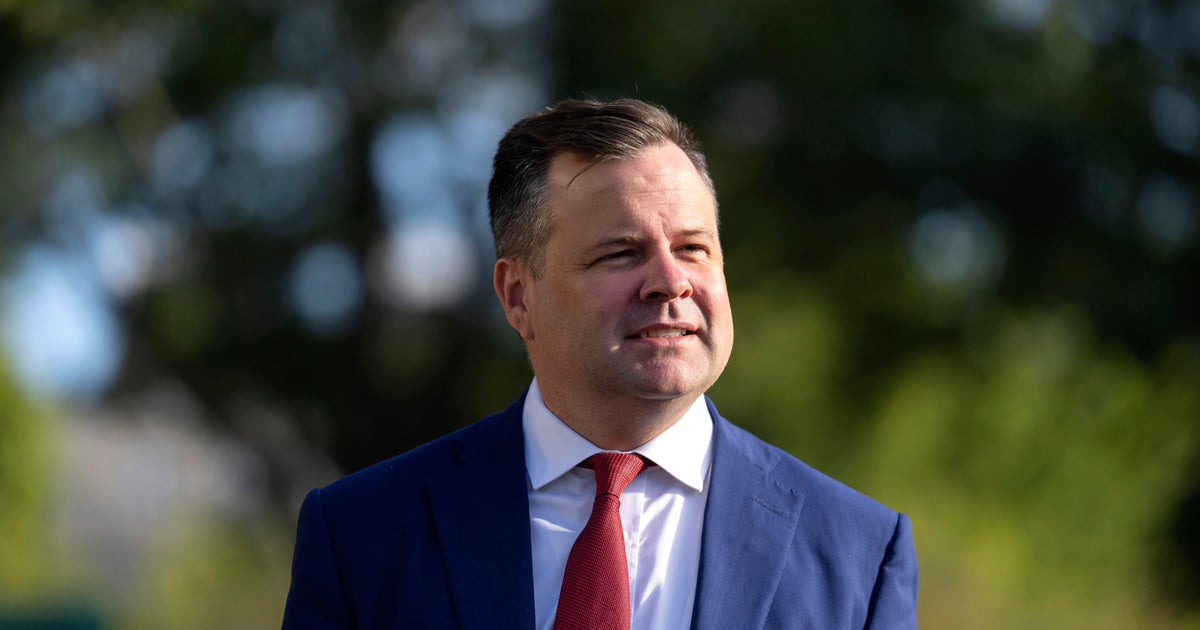
President Trump announced that Bill Pulte, currently director of the Federal Housing Finance Agency (FHFA), will begin serving as acting director of national intelligence in about a week and a half. Trump said Pulte is not being named permanent director (a position that would require Senate confirmation) and that Pulte will remain FHFA director. Pulte's selection drew criticism from Democrats and some Republicans because he lacks a national security background and because of controversies during his FHFA tenure, including allegations he made about mortgage fraud involving political opponents. Democrats said they would withhold support for reauthorizing Section 702 of the Foreign Intelligence Surveillance Act while Pulte remained in the position, jeopardizing a bipartisan compromise to renew that authority. Several Senate Republicans also voiced disapproval of the appointment. Tulsi Gabbard is the outgoing director of national intelligence whom Pulte will replace in the acting role.
Biblical Reflection
This report describes a politically charged personnel decision with concrete national-security and legislative consequences. From a Christian perspective, the appointment highlights tensions between loyalty to political leaders and the responsibilities of stewardship, competence, and truth in public office. The controversy over Pulte's qualifications and the resulting threat to Section 702 reauthorization reveal how partisan signaling can put institutional functions — including intelligence collection and oversight — at risk. The article itself conveys factual claims about reactions and stakes, but its framing emphasizes conflict; readers should note how partisan labels ('Trump loyalist') and descriptions of controversy can heighten distrust without substituting for clear, substantive assessment of competence and policy effects. Christians are called to seek truth, to hold leaders accountable with humility, and to prioritize the common good over tribal loyalty; that means attending to both the integrity of national-security institutions and protections for civil liberties, asking whether choices serve justice and public safety rather than merely political advantage.
Scripture in context
This outlook does not yet include contextual Scripture citations. Do not treat a general biblical theme as an exegetical conclusion.
Faithful Response
No prescribed response is offered. Consider the reflection prompts below in your own church context.
Reflection and Discussion
- 1Are political loyalties crowding out serious evaluation of a nominee's qualifications and the long-term health of national-security institutions?
- 2How might short-term political maneuvering around appointments affect protections for civil liberties and the government's ability to keep people safe?
- 3What signs should Christians watch for that distinguish principled criticism from partisan rhetoric when public trust and national security are at stake?
Sources
Reporting links are evidence inputs; Sanctuary News' biblical reflection is commentary.
This outlook currently relies on fewer than two linked sources. Broaden verification before teaching from it.
- 1.Original reportprimary