News Summary
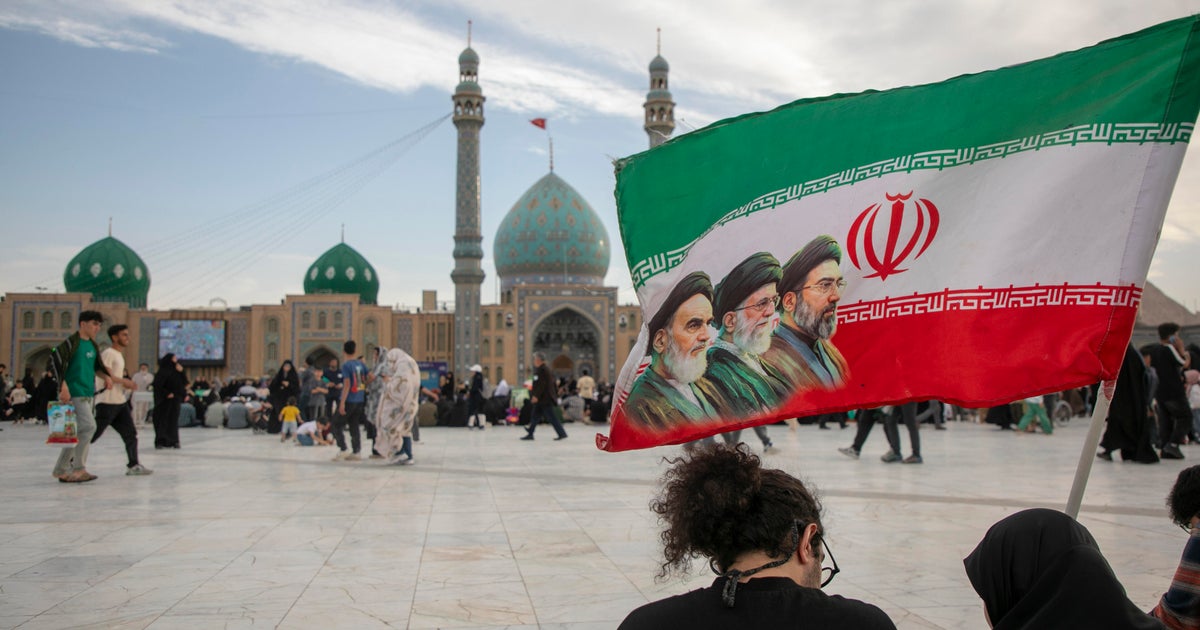
U.S. President Donald Trump said he was meeting in the White House Situation Room to make a final decision on a proposed memorandum of understanding (MOU) with Iran. U.S. officials told reporters a tentative MOU had been reached that would extend a current ceasefire for 60 days, reopen the Strait of Hormuz to unrestricted shipping, and open further talks on Iran's nuclear program, but those sources said the agreement was still pending Trump’s approval. Iranian state and semi-official outlets denied any finalized agreement. Trump posted that the U.S. would lift a naval blockade of Iranian ports and ships linked to the regime and described conditions he expected — including Iran’s acceptance that it will never have a nuclear weapon and coordinated U.S./IAEA removal and destruction of roughly 900 pounds of highly enriched uranium reportedly buried at damaged sites. Those assertions were presented by the president; independent verification of some specifics in his posts is not provided in this article. Iran’s Islamic Revolutionary Guard Corps (IRGC) state media said Iran has been coordinating ship transits through the Strait and described new rules requiring permits, designated routes and fees; Iran also created a Persian Gulf Strait Authority (PGSA) to manage traffic and collect fees, which the U.S. sanctioned. U.S. forces had been enforcing a U.S.-imposed naval blockade first announced April 13; Trump said lifting the blockade could allow commercial mariners caught in the region to return home. Market reaction to the reports included lower oil prices and modest gains in U.S. stock indices. The article also reports wider regional developments: Israeli Prime Minister Benjamin Netanyahu described expanded Israeli operations in Lebanon; humanitarian groups (MSF) warned of worsening civilian harm and mass displacement in Lebanon; Danish and Swedish authorities warned of increased Iran-linked threats in Europe; British police charged a Greek national with allegedly aiding a foreign intelligence service believed to be Iran; and the U.S. Treasury imposed new sanctions on firms and vessels linked to Iran’s military-controlled petroleum exports. U.S. officials including Vice President JD Vance and Secretary of State Marco Rubio discussed continued negotiations and Pakistan’s mediation role.
Biblical Reflection
From a Christian pastoral perspective, this article highlights the fragile mix of diplomacy, deterrence, and force in high-stakes international conflict. The public narrative blends verified reporting (sanctions, military deployments, meetings) with political assertions and bargaining-language that are not independently confirmed (specifics about buried enriched uranium and exact MOU text). That mixture makes careful discernment essential: Christians should look for the difference between reported facts, official claims, and rhetorical posture intended for domestic audiences or deterrence. The article reveals competing worldviews: one that privileges security through strength and unilateral leverage, and one that asserts regional control and sovereignty. Both approaches risk sidelining the wellbeing of civilians and neighbors unless humanitarian protection is a central measure of success. The repeated emphasis on being “better prepared for war” and on coercive measures clashes with Christlike priorities of peacemaking, protecting the vulnerable, and pursuing truth. At the same time, seeking verifiable steps that reduce nuclear danger and reopen vital shipping lanes can serve the common good if done transparently and with independent verification and safeguards. Pastoral discernment calls Christians to pray for leaders to be guided by wisdom, to demand honesty and accountability from officials, and to advocate for measures that prioritize civilian safety and reconciliation over triumphalism or intimidation.
Scripture in context
This outlook does not yet include contextual Scripture citations. Do not treat a general biblical theme as an exegetical conclusion.
Faithful Response
No prescribed response is offered. Consider the reflection prompts below in your own church context.
Reflection and Discussion
- 1Which statements in this reporting are independently verified facts, and which are political claims or bargaining positions designed for domestic audiences?
- 2How are the needs and safety of ordinary civilians—mariners, Lebanese and Gazan civilians, displaced families—being weighed against military and strategic objectives in these negotiations?
- 3What signs should Christians look for that an agreement will include transparent verification, independent oversight, and genuine steps toward de-escalation rather than temporary tactical advantage?
Sources
Reporting links are evidence inputs; Sanctuary News' biblical reflection is commentary.
This outlook currently relies on fewer than two linked sources. Broaden verification before teaching from it.
- 1.Original reportprimary