News Summary
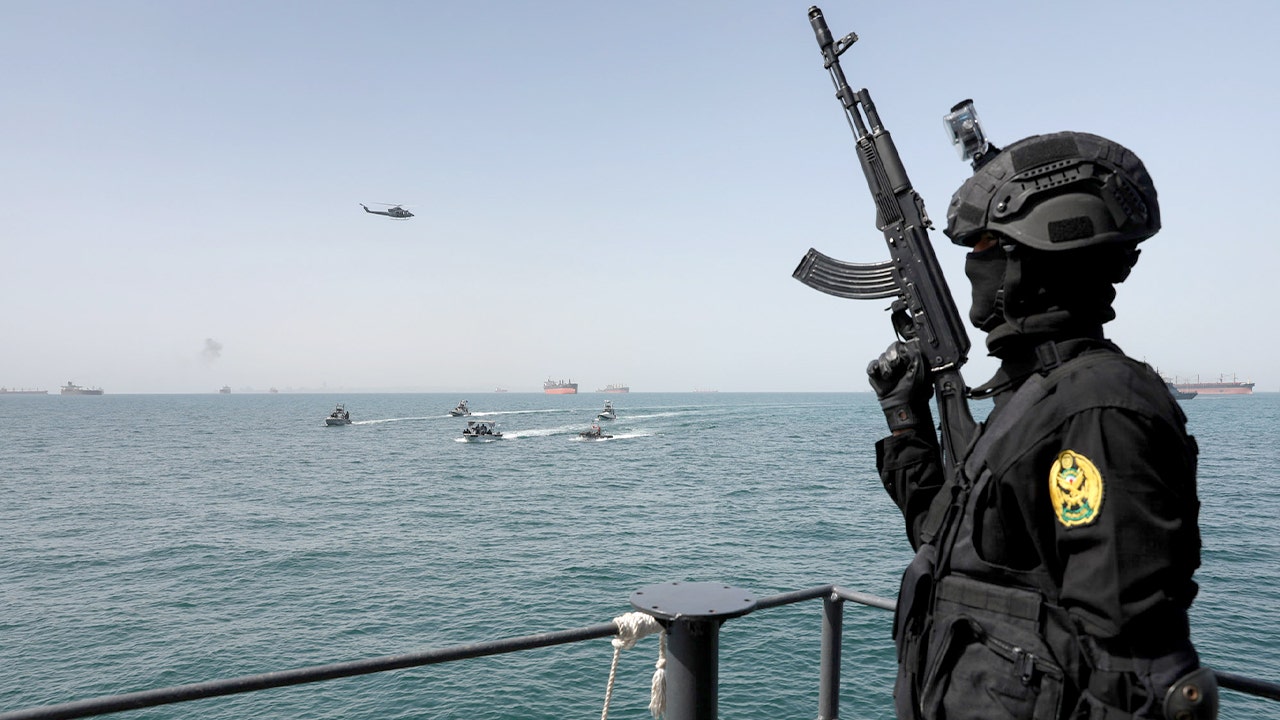
The article reports that President Donald Trump expressed frustration with Iranian negotiators at the NATO summit in Ankara, saying “they lie and they cheat” and suggesting the U.S. might proceed without a negotiated deal. It describes a disputed and fragmented power picture in Tehran after the article’s reported death of Ayatollah Ali Khamenei and the succession of Mojtaba Khamenei, noting Mojtaba’s limited public presence and U.S. assessments that authority is dispersed among senior IRGC commanders and civilian officials. The piece highlights Parliament Speaker Mohammad Bagher Ghalibaf as an influential surviving figure and presents analysis from commentators (including an Iranian-American journalist and analysts from policy circles) who argue the IRGC has become the dominant force and that negotiators may lack the authority to bind Iran’s broader security apparatus. Experts cited outline divergent Iranian incentives — including a belief that escalation helps regime survival — and warn that discrepancies over treaty language (notably a clause on the Strait of Hormuz) create differing interpretations that could sustain maritime harassment and regional pressure. The article also outlines possible U.S. responses (renewed blockade, more forces, new sanctions) and frames the current situation as operating in a gray zone between diplomacy and open conflict.
Biblical Reflection
From a Christian discernment perspective, the article centers a U.S. security viewpoint and relies heavily on analysts and sources who emphasize Iranian coercion and IRGC strength. That framing is not inherently wrong — the risks described are real — but the piece gives limited voice to independent Iranian sources or neutral verification of some dramatic claims, so readers should note possible selection bias toward hawkish interpretation. Spiritually, the situation highlights the human cost of broken trust between nations and the peril when authority is diffuse: agreements can be made yet not implemented, increasing the likelihood of violence that harms civilians. Christian virtues ask us to prize truth (verify claims and note uncertainty), mercy (remember civilians and dissenting voices inside Iran), humility (recognize the limits of our information and prescriptions), and a preference for peaceable, negotiated solutions where possible. The reporting rightly raises alarms about escalation risk, but faithful discernment also calls for careful separation of confirmed facts from interpretation and policy advocacy.
Scripture in context
This outlook does not yet include contextual Scripture citations. Do not treat a general biblical theme as an exegetical conclusion.
Faithful Response
No prescribed response is offered. Consider the reflection prompts below in your own church context.
Reflection and Discussion
- 1Which perspectives and sources are missing from this coverage, and how would including Iranian civil-society or independent regional voices change the story?
- 2How much of the article’s urgency rests on confirmed facts versus strategic interpretation by analysts with known policy preferences?
- 3If negotiators cannot bind all power centers, what does that mean for how Christians should view promises of diplomacy versus the use of force?
Sources
Reporting links are evidence inputs; Sanctuary News' biblical reflection is commentary.
This outlook currently relies on fewer than two linked sources. Broaden verification before teaching from it.
- 1.Original reportprimary