News Summary
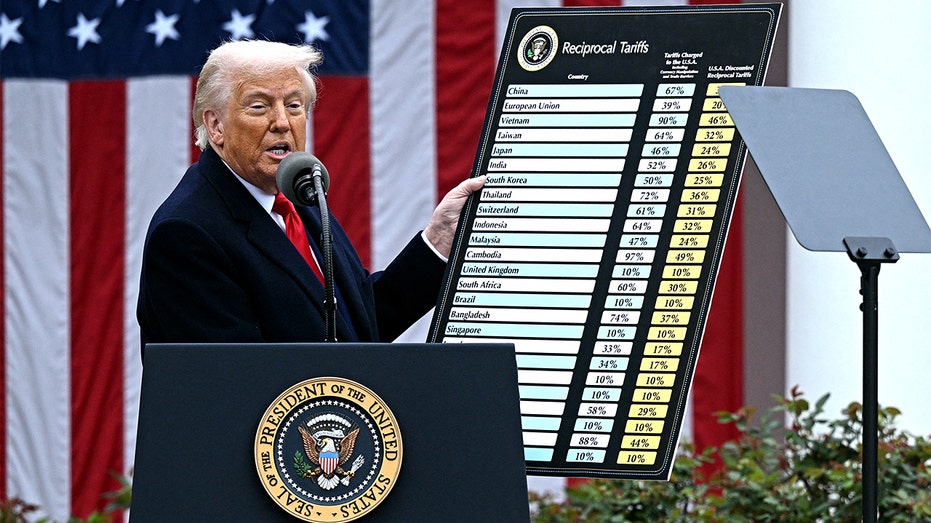
Reported facts: The Fox News article states that President Trump invoked Section 338 of the Tariff Act of 1930 and imposed 50% tariffs on certain Canadian goods, giving examples such as wine and hockey sticks. Attributed claims: The piece asserts this is the first invocation of Section 338 in U.S. history and characterizes the authority as a powerful, previously unused trade weapon. Uncertainties: The supplied article text does not include the official proclamation, text of the tariffs, a legal memorandum, a list of all affected products, historical documentation proving no prior use, economic impact estimates, or a response from Canadian officials.
Source and Framing Analysis
Material uncertainties that affect the story: the supplied article offers a strong framing—"powerful trade weapon no president has ever used"—but provides no primary documents (proclamation, legal memo) or independent confirmation of the historical claim. The lack of official text or economy-focused analysis means key practical consequences (which industries, how many workers, price effects) are not established. Because the article draws attention to novelty and power, readers should note that the framing emphasizes significance without supplying the corroborating evidence needed to assess scope and legality.
Biblical Reflection
This report raises questions about the use of executive trade authority and the potential consequences for ordinary people on both sides of the border. Christians should weigh truth—verifiable facts and legal context—before forming firm conclusions, while also holding to compassion for those who may be economically affected. Scripture calls believers to pursue justice and honest dealing; when governments exercise new or rarely used powers, Christians should ask whether the action protects the vulnerable, promotes fair exchange, and seeks the common good rather than advantage for a few.
The article's framing emphasizes novelty and potency but offers limited documentary or historical evidence in the supplied text. That gap encourages caution: we should neither reflexively praise nor demonize the move without fuller information about legal authority, targeted products, rationale, and likely economic ripple effects. In public conversation, Christians can model humility, insistence on truth, and care for neighbors who may suffer from sudden policy shifts.
Scripture in context
- 1Proverbs 11:1 — Proverbs is wisdom literature giving practical guidance for life and community; passages about honest scales and just dealings critique dishonest profit-making and affirm fair commerce within a covenant community. — This passage challenges Christians to consider whether economic policies and practices reflect fairness and protection for the vulnerable rather than advantage for the powerful; when leaders use new authorities, the church should weigh whether those actions promote honest trade and neighbor care.
Faithful Response
Pray for clarity and for those affected by trade disruptions (workers, small exporters, consumers).
Seek reliable information—read the official proclamation, legal analysis, and independent economic assessments—before endorsing or condemning the policy.
Advocate for policies and relief measures that protect vulnerable workers and communities, and encourage elected officials to explain the moral rationale for extraordinary actions.
Practice humility in public conversation: avoid partisan shouting and instead ask questions that surface facts and impacts.
Reflection and Discussion
- 1What scriptural principles about justice and neighbor-love guide our response to sudden economic policies?
- 2How should Christians balance respect for legitimate government authority with prophetic concern for those harmed by policy?
- 3In what ways can the church practically support cross-border neighbors who may be affected by trade actions?
Sources
Reporting links are evidence inputs; Sanctuary News' biblical reflection is commentary.
This outlook currently relies on fewer than two linked sources. Broaden verification before teaching from it.
- 1.Trump just expanded his tariff playbook with a powerful trade weapon no president has ever usedprimary_reporting